
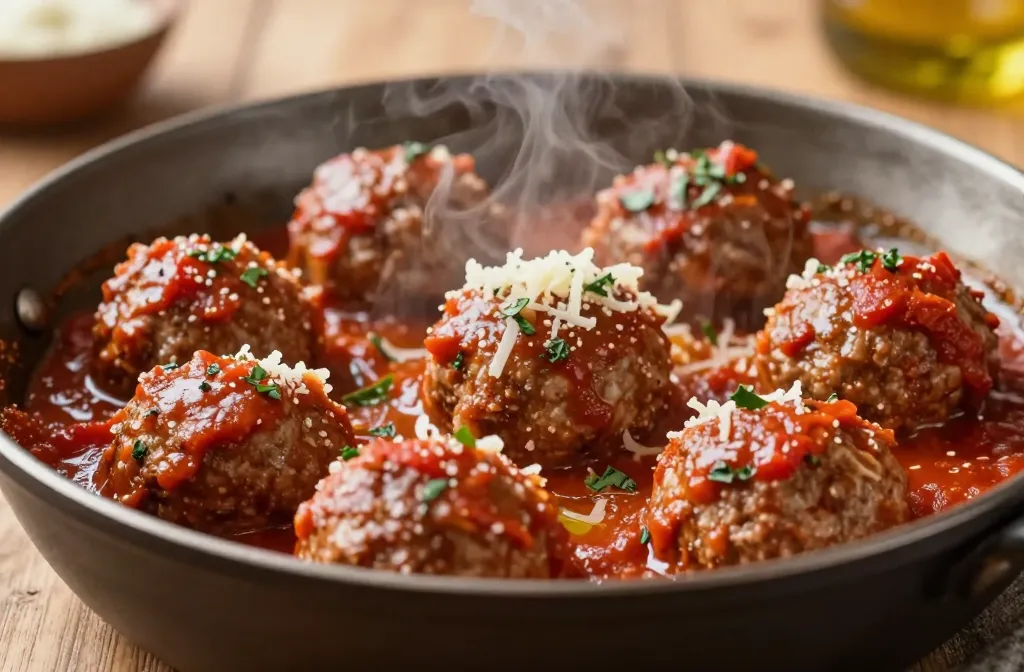
The hunt for gluten-free meatballs that actually taste like the real deal stops here. No more crumbly disappointments or cardboard textures. You want juicy, flavorful, hold-together meatballs that don’t rely on gluten or weird fillers to shine? You’ve come to the right place.
What makes a gluten-free meatball genuinely good?
You’re aiming for three things: texture you can bite into, flavor that sticks to your ribs, and a life-saver texture that doesn’t fall apart in sauce. Gluten-free doesn’t mean bland or dry. It means you lean on eggs, cheese, and smart binders to mimic that classic meatball bite without wheat. Think: a little fat, a touch of starch, and bold seasoning that stays put.
Foundations: the right mix and method
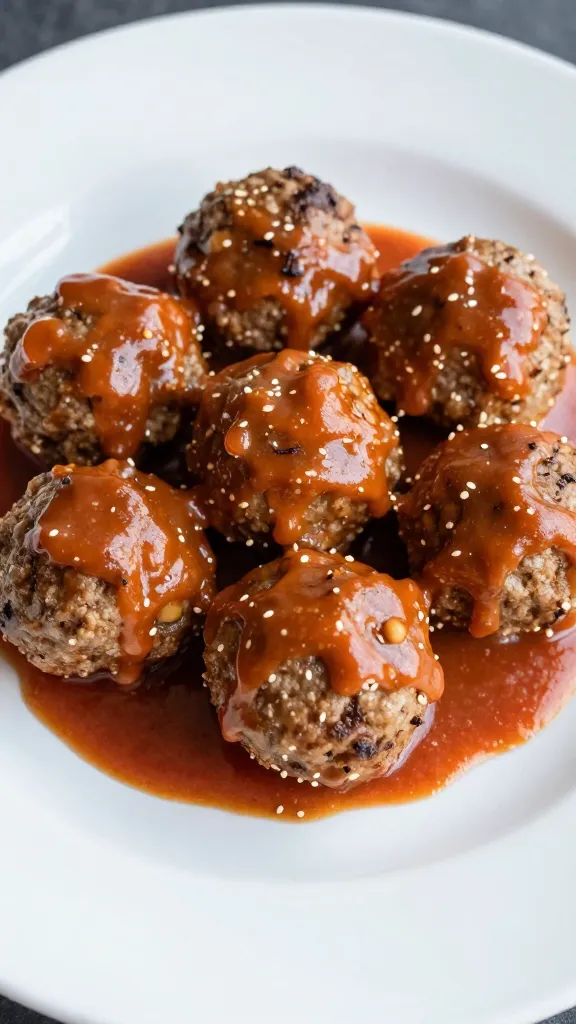
– Use a mix of pork and beef for depth (or swap in turkey if you’re cutting fat). Fat = flavor, so don’t chase leanness too aggressively.
– Bind with egg and a binder that won’t crumble. Fine gluten-free breadcrumbs work, but you can also use almond flour, crushed pork rinds, or FYI—mashed white beans for a softer texture.
– Add grated cheese, onion, garlic, herbs, and a splash of milk to keep moisture high. The dairy helps the meat stay tender.
– Don’t rush the shaping. Gentle rolling yields uniform size and even cooking. No forceful squeezes that tighten the mix.
Recipes that actually hold up in sauce
Here are a few dependable formats you can riff on.
Classic Italian-inspired gluten-free meatballs
– 1 lb ground beef (85/15)
– 1/2 lb ground pork
– 1/2 cup gluten-free breadcrumbs
– 1/4 cup grated parmesan
– 1/4 cup milk
– 1 egg
– 2 cloves garlic, minced
– 1 small onion, grated
– 2 tbsp chopped parsley
– 1 tsp dried oregano
– Salt and pepper to taste
Mix until just combined. Roll into meatballs about the size of a golf ball. Brown in a skillet, then simmer in tomato sauce until cooked through. The breadcrumbs help with structure, the milk keeps them juicy, and the parmesan adds slurp-worthy savor.
Cheesy, tender meatballs (no breadcrumbs)
– 1 lb ground beef or a mix with pork
– 1/2 cup finely grated Parmesan
– 2 eggs
– 1/4 cup almond flour
– 1/4 cup milk
– 2 cloves garlic, minced
– 1 tsp dried oregano, 1 tsp smoked paprika
– Salt and pepper
Combine ingredients gently. Bake at 400°F (200°C) on a lined sheet for 15-18 minutes until just set, then broil briefly for color. Drain excess fat on paper towels. Moisture and fat keep them moist even without breadcrumbs.
Sauce or no sauce? That is the question
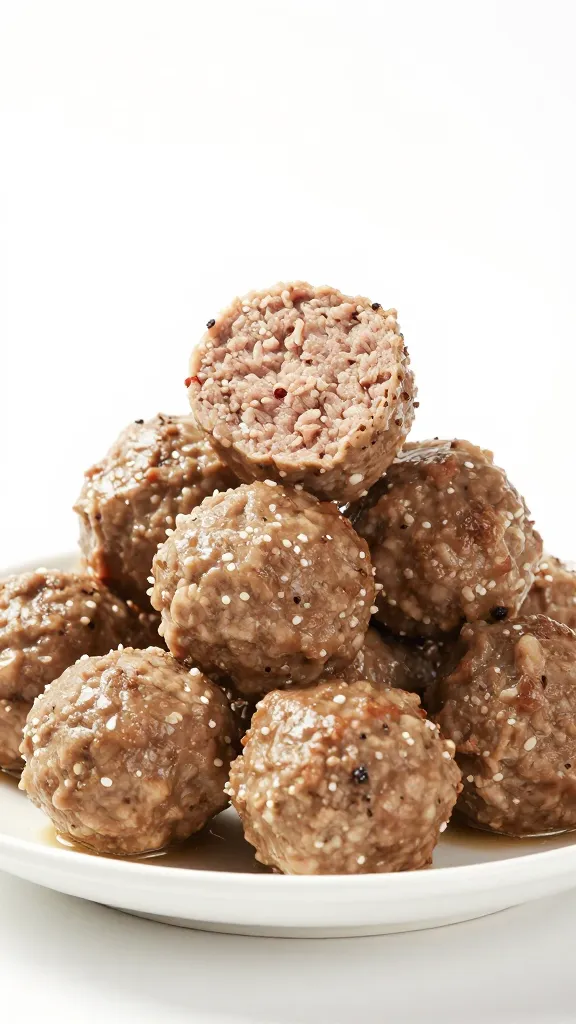
Some folks want their meatballs bathing in sauce; others prefer them as a protein centerpiece. Either way, the texture matters most. A simmer in sauce helps keep them moist and infuses flavor, but if you’re pan-searing, finish in sauce to lock in juices. Tip: add a splash of water or stock to the sauce if it thickens too much.
Tips for best results
– Cold ingredients first: If you chill your mixture before shaping, you’ll get firmer meatballs that hold together when cooking. No need for a second “rest” step if you’re in a rush, but it helps.
– Size matters: Aim for uniform sizes so they cook evenly. If you’re using a large pan, consider 1.5-inch balls; if you’re baking, 1.25 inches works well.
– Don’t overmix: Mix until just combined. Overworking makes meatballs dense and tough.
– Binder balance: If your mix feels loose, add a tablespoon or two of breadcrumbs or almond flour. If it’s dry, add a splash of milk or an additional egg.
– Brown for flavor, steam for tenderness: A quick sear locks in color and flavor, then finish in sauce or oven to finish cooking through.
Common mistakes (and how to dodge them)
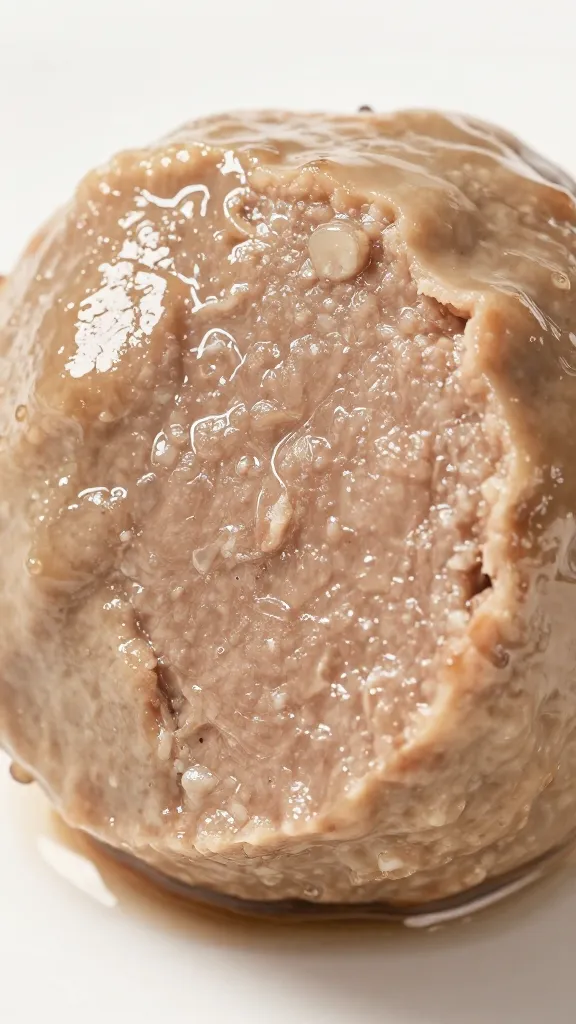
– Overmixing the meat: leads to dense balls. Gentle, confident folds win.
– Using too much binder: makes meatballs gummy. Start with a conservative amount and adjust.
– Skipping fat balance: lean meats can yield dry bites. Don’t skimp on fat or dairy.
– Not letting them rest: they’ll fall apart in the pan. Chill briefly if you can.
– Cooking too hot, too fast: outside burns while inside stays undercooked. Medium heat, steady timing.
Variations you can actually pull off
– Gluten-free parmesan-herb: add extra parmesan and chopped basil for brightness.
– Spicy Italian: add crushed red pepper flakes and a pinch of fennel seed for bite.
– Swanky mushroom boost: fold in finely chopped sautéed mushrooms to add moisture and umami without gluten.
– Citrus twist: zest of one lemon in the mix plus parsley for a bright finish.
Ingredient swaps
– Breadcrumbs substitute: almond flour, crushed pork rinds, or mashed white beans.
– Cheese swap: Pecorino Romano for a sharper bite, or omit dairy entirely and use a dairy-free binder plus nutritional yeast.
– Meat mix: swap some beef for lamb for a gamey, cozy profile.
– Dairy-free: skip milk and use unsweetened almond milk; add an extra egg to maintain binding.
Pro tips
– Fry, then bake: a quick brown in a skillet, then finish in the oven for even cooking and a crisp exterior.
– Sauce-first option: simmer in a robust sauce for extra flavor absorption.
– Make-ahead strategy: form and freeze on a sheet pan, then transfer to a bag. Bake from frozen, add a few extra minutes.
Common questions you’re probably asking
FAQ: Do gluten-free meatballs taste different?
Yes and no. The texture can be a touch different if you skip breadcrumbs, but with the right binder, they taste rich, juicy, and just as satisfying. The key is balancing moisture and binding so every bite feels cohesive.
FAQ: Can I freeze meatballs?
Absolutely. Freeze raw on a sheet pan, then transfer to a bag. Bake from frozen with a few extra minutes, or simmer directly in sauce for a quick weeknight dinner.
FAQ: How do I know they’re done?
Aim for an internal temperature of 160°F (71°C) for beef, 165°F (74°C) for poultry. If you’re cooking by sight, they should be evenly browned and no longer pink in the center when cut open.
Pro tips, common mistakes, variations, and a quick comparison
Pro tips
– Chill the formed meatballs for 15-20 minutes to help them hold shape.
– If you want extra savor, sear in olive oil and finish with a splash of red wine or broth for depth.
– Use fresh herbs when possible; dried herbs can be potent, so start small.
Common mistakes
– Skimping on fat or dairy.
– Overworking the mixture.
– Not testing a small patty first to check seasoning.
Variations
– Spiced lamb meatballs with yogurt-mint sauce.
– Chicken and pesto meatballs with a gluten-free breadcrumb mix.
– Vegan option: combine mashed chickpeas, flax egg, and gluten-free oats, plus herbs and dairy-free cheese.
Comparison blocks
– Texture: Breadcrumb-based GF meatballs tend to be lighter and airier; almond-flour-based ones feel denser and richer.
– Moisture: Milk and cheese give you the juiciest finish; dairy-free requires careful balance with moisture from vegetables.
– Flavor: Parmesan-forward mixes feel classic; citrus and herbs bring brightness without heaviness.
FAQ with answers in paragraph form
Do gluten-free meatballs freeze well? Yes. Freeze raw on a sheet pan, then bag. They reheat wonderfully in sauce or oven, and you’ll barely notice the difference from fresh.
Can I bake instead of pan-frying? Definitely. Baking is convenient and reduces splatter. Bake at 400°F (200°C) for 15-20 minutes, turning halfway, then finish under broil for color if you like.
What’s the best binder for gluten-free meatballs? A combination works best. Use eggs for binding with breadcrumbs or almond flour for texture. Milk or cream helps with moisture, and cheese adds savor and cohesion.
Conclusion
Gluten-free meatballs aren’t a compromise; they’re a promise. A promise that you can enjoy juicy, flavorful meatballs without gluten, and still have them taste like the classic you crave. Try different binders, play with spices, and remember: the secret is balancing moisture, fat, and binding. So go forth, roll those balls, and savor every bite. You’ve got this. IMO, the best GF meatballs are the ones you tweak until they taste like comfort in a sauce-brushed bite. FYI, the kitchen is about to get delicious.