
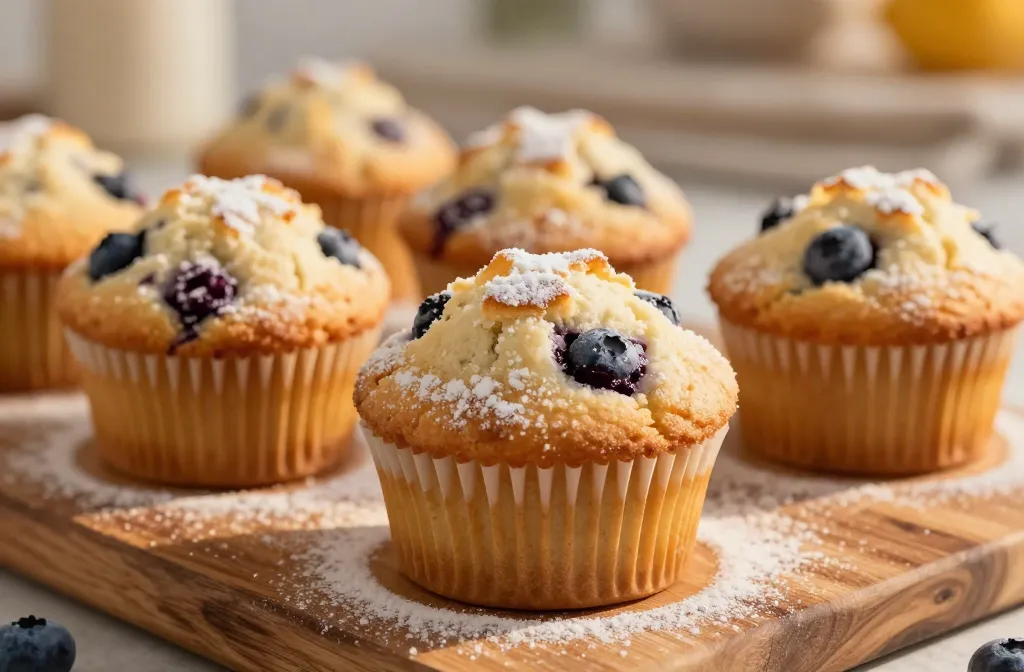
The crack of dawn, the scent of bakery butter, and a golden muffin calling your name. Let’s fix that craving with Bakery Style Gluten Free Blueberry Muffins that taste like they belong in a bakery case—without the gluten fog. Yes, you can have tender crumb, visible berries, and a muffin that doesn’t vanish the next day. Ready to bake?
What makes these muffins bakery style?
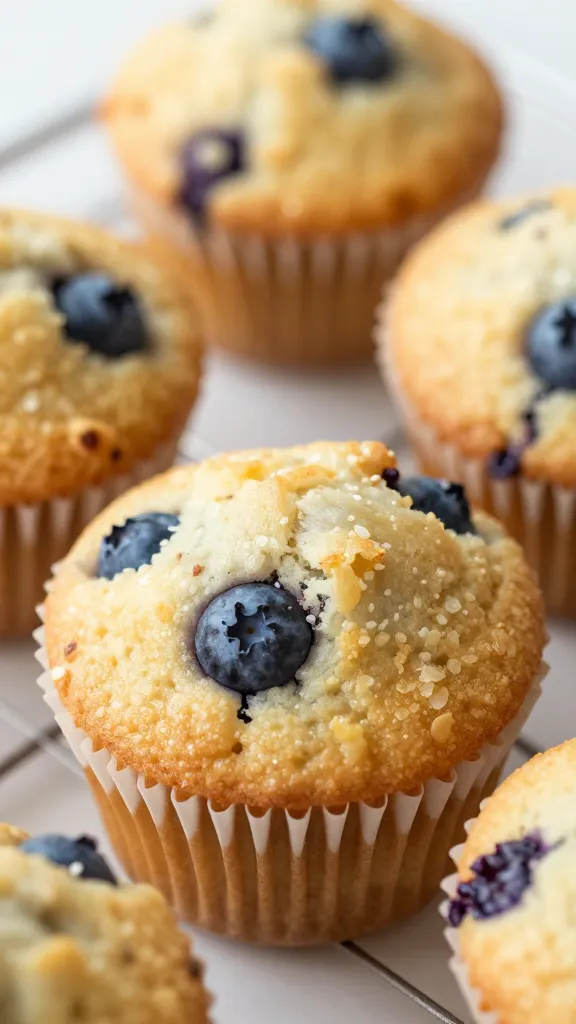
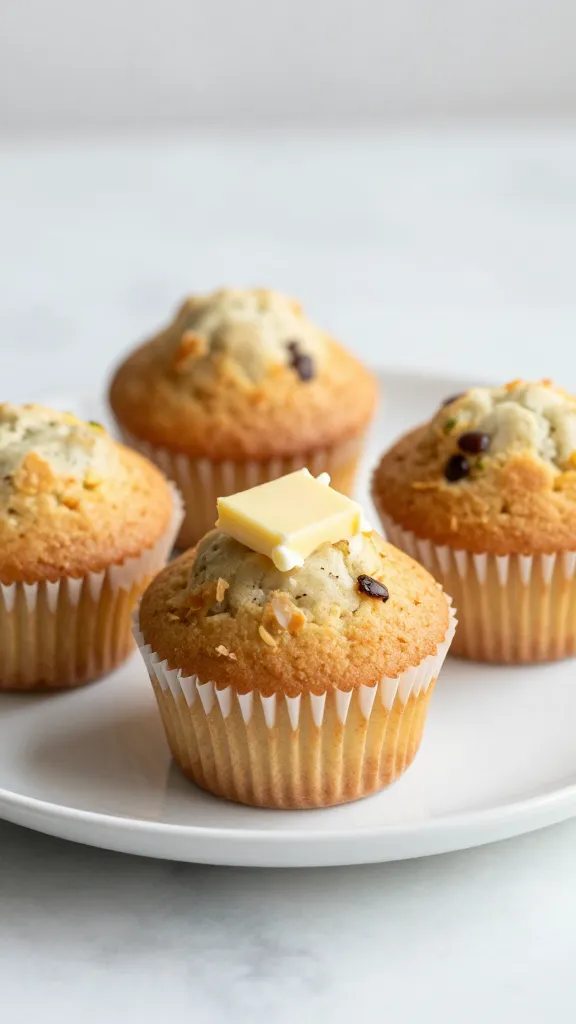
They’re not just “gluten free” cookies in disguise. Bakery style means tall domes, tender crumb, pockets of juicy fruit, and a crust that’s just a tad crisp at the edges. This recipe balances a rich batter with a touch of lift so you get that sturdy muffin you can eat for breakfast or a late-night snack without guilt.
– Tender crumb: a gentle mix keeps gluten-free flour from turning into sand.
– Peak domes: a quick rise in the oven helps you achieve that bakery crown.
– Fruit-forward: blueberries burst in every bite, not sank to the bottom.
– Flavor balance: a hint of vanilla and citrus to lift the berries.
Tip: FYI, the goal is to avoid overmixing. That keeps the crumb fluffy and prevents toughness.
Key ingredients that make or break gluten-free muffins
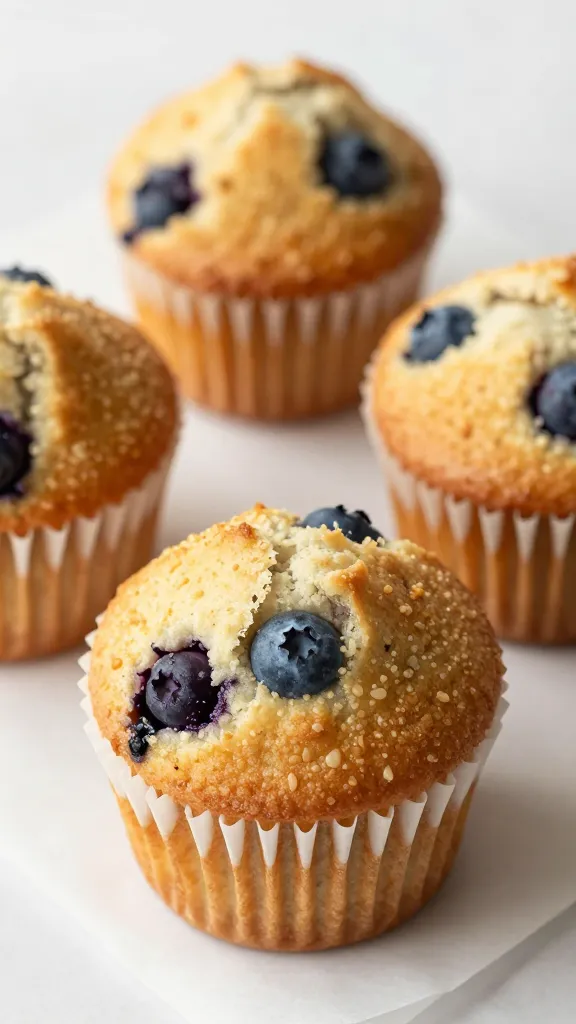
Grocery aisles can be confusing, so here’s the short list that delivers bakery vibes.
– Gluten-free flour blend: choose one labeled for baking and containing starches like rice flour, tapioca, and potato starch. Avoid mixes with too much sorghum or millet if you’re new to gluten-free baking.
– Almond flour or fine cornmeal (optional): a little helps moisture and texture, but don’t overdo it.
– Blueberries: fresh or frozen work, just don’t thaw frozen berries all the way—they’ll bleed into the batter.
– Leavening: baking powder and a touch of baking soda give lift. Make sure they’re fresh.
– Dairy or dairy-free: yogurt, milk, or buttermilk add tang and moisture. If going dairy-free, use a plant-based yogurt and a splash of lemon juice.
– Fat: butter or a neutral oil keeps the crumb tender.
– Flavor boosters: vanilla extract, a pinch of lemon zest, and a whisper of salt to wake up the sweetness.
H3: Ingredient swaps you’ll actually use
– Swap dairy for dairy-free without losing moisture: use 1:1 dairy-free yogurt and plant milk.
– Oil swap: switch to melted coconut oil for a subtle tropical note.
– Sugar dial: half granulated sugar, half light brown sugar for depth.
Technique tips: how to bake like a pro
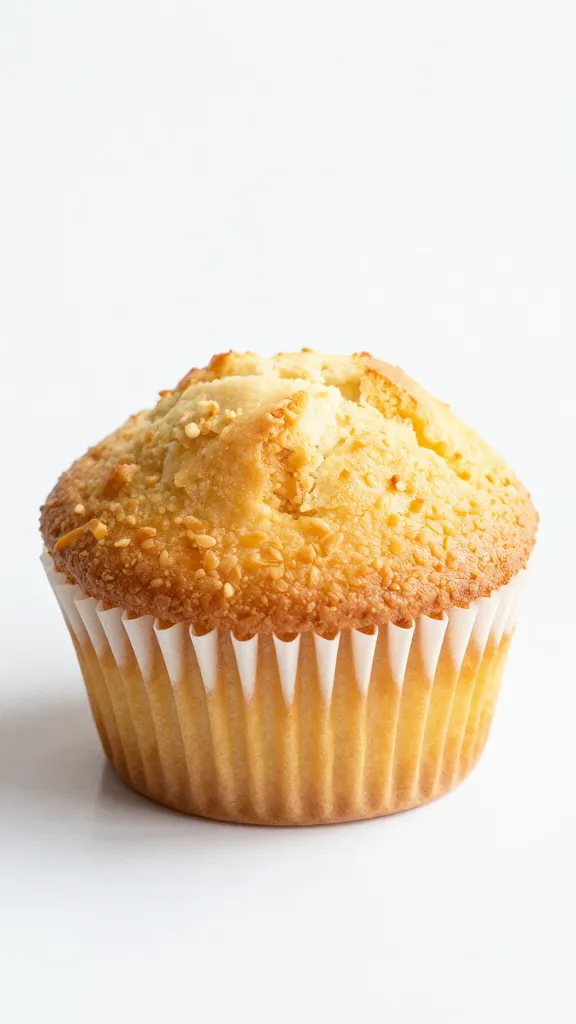
Want bakery-level muffins without the professional equipment? Here’s the play-by-play.
– Creaming moment: beat sugar with fat until fluffy, then add eggs one at a time. This helps trap air and build rise.
– Dry-wet dance: mix dry ingredients in one bowl, wet in another, then marry them gently. Lumps are fine; overmixing is not.
– Blueberry handling: toss blueberries with a teaspoon of gluten-free flour before folding in. It keeps them from sinking.
– Fill and rest: fill muffin cups 3/4 full and let batter rest 5 minutes before baking. The rest gives the batter a chance to hydrate and rise evenly.
– Oven setup: a preheated oven at about 375°F (190°C) works for most GF blends. If your oven runs hot or cool, adjust 5–10 minutes.
H3: Pro tips for extra bakery vibes
– Use a glass or metal muffin tin? Either works. Silicone cups can cause less rise; if you want tall domes, go with metal or parchment cups.
– Fill cups with a bit of topping: a sprinkle of sugar and a whisper of lemon zest before baking adds a bakery-worthy sparkle.
– Don’t peek too early: opening the oven door early can deflate your domes. Wait until at least the 18-minute mark.
Common mistakes and how to avoid them
We’ve all sneaked a peek and paid later. Here’s what to watch for.
– Overmixing: tough crumb is not cute. Mix just until the batter comes together.
– Soggy centers: too much liquid or underbaking leaves you with wet middles. If the tops are done but centers wobble, give them a few more minutes.
– Dried out muffins: overbaking is the villain. Remove when a toothpick comes out with a few crumbs, not clean with nothing on it.
– Bleeding berries: if you’re using a lot of berries, toss them in flour to keep them from turning the batter purple.
H3: Variations and flavor twists
– Lemon-blueberry: add zest of one lemon and a splash of lemon juice to brighten the fruit.
– Cinnamon crumble topping: whisk brown sugar, cinnamon, and a touch of gluten-free flour; dot with melted butter and sprinkle on top before baking.
– Strawberry-vanilla: swap blueberries for strawberries and add a dash more vanilla.
Variations
– Oat-friendly GF: use certified gluten-free oats ground into a coarse flour to add chew and a rustic texture.
– Protein boost: whisk in a spoonful of protein powder, but reduce the flour by the same amount to avoid dryness.
– Dairy-free beach: use coconut yogurt and almond milk, but keep an eye on sweetness—coconut can amplify it.
Flavor, texture, and texture testing blocks
– Texture test: tap the muffin; it should spring back lightly and feel moist but not wet.
– Moisture balance: if your muffins feel crumbly, add a splash more yogurt or a teaspoon of oil.
– Berry distribution: fold gently to keep berries evenly dispersed; nobody wants a blueberry avalanche in their bite.
Pro tips
– Use ripe but not mushy blueberries for best flavor and color.
– If you want a crisper top, rotate the pan halfway through baking and finish with a quick broil for 1–2 minutes. Watch closely so you don’t burn.
FAQ: quick answers to common questions
Q: Can I freeze these muffins? Absolutely. They freeze well when cooled completely. Wrap tightly and thaw at room temperature or warm for 15–20 seconds in the microwave for a fresh-out-of-the-oven feel.
Q: Can I make these dairy-free? Yes. Swap yogurt with dairy-free yogurt and milk with almond, soy, or oat milk. The crumb might be a touch lighter, but still bakery-worthy.
Q: Do I need xanthan gum? Some gluten-free flours perform fine without it, but a pinch can help with structure in a gluten-free batter. If your blend already contains it, you’re golden.
Q: How do I know when they’re done? A toothpick should come out with a few moist crumbs, not wet batter. The tops should be set and lightly golden.
In the kitchen: step-by-step recipe at a glance
- Preheat oven to 375°F (190°C). Line a 12-c cup muffin tin.
- Whisk dry: gluten-free flour blend, baking powder, baking soda, and salt.
- Cream + wet: butter and sugar until light, beat in eggs, vanilla, and yogurt or milk.
- Combine: fold wet into dry just until combined. Gently fold in blueberries.
- Fill cups: 3/4 full. Optional top with sugar and zest.
- Bake: 18–22 minutes until domed and golden.
- Cool: let rest 5 minutes in pan, then transfer to wire rack.
Comparisons: bakery-style GF muffins vs. everyday muffins
Texture
– Bakery-style GF muffins: tall domes, tender crumb, slightly crisper edges.
– Everyday GF muffins: often denser, more crumbly, less lift.
Flavor
– Bakery-style: bright berry pockets, vanilla/lemon notes that pop.
– Everyday GF: sweeter or flatter, depending on mix quality.
Ingredient lean
– Bakery-style: careful balance of fat, sugar, and liquid for lift.
– Everyday: easier, but may sacrifice crumb and peak without technique.
Conclusion
If you crave bakery vibes without gluten, these Bakery Style Gluten Free Blueberry Muffins deliver. They’re tender, fruity, and sturdy enough to stack in a lunchbox or snack drawer. IMO, the best part is how forgiving they are when your morning gets chaotic. So slice one warm, share a bite with a friend, and pretend you’re strolling through a cozy cafe, cups of coffee in hand. You earned it.