
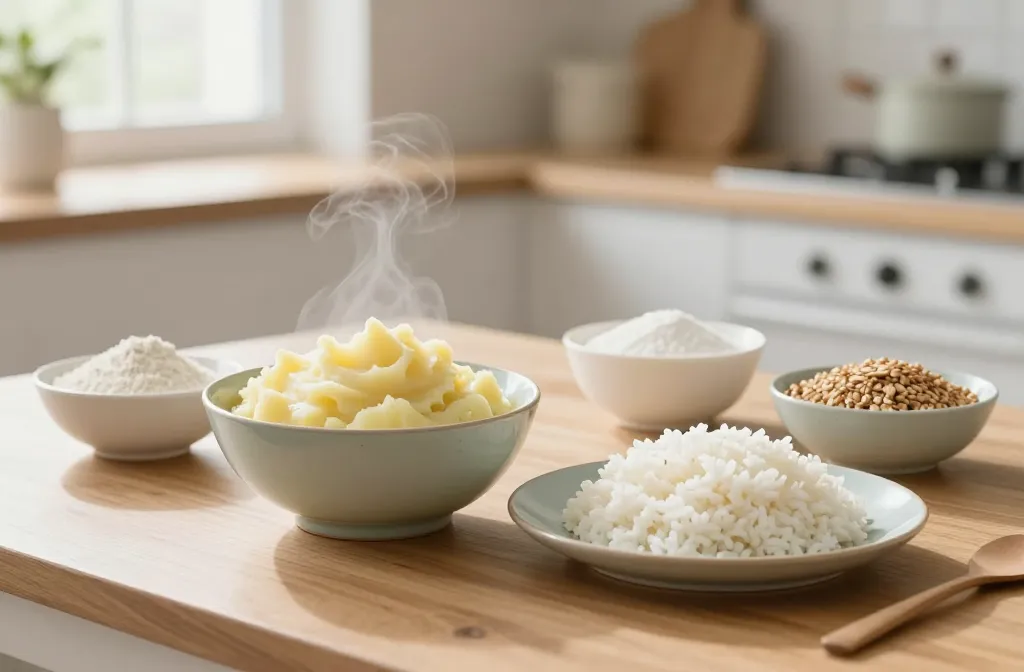
Do you ever wonder why gluten-free foods can feel like a bland mission impossible for a sensitive stomach? You’re not imagining things. Some gluten-free options can be tougher on digestion than a triple espresso. The good news: you can enjoy soft, gentle gluten-free eats that don’t wreck your gut or your mood. Let’s dive in and keep things tasty, not terrifying.
Soft, Gentle Staples That Actually Agree With Sensitive Stomachs
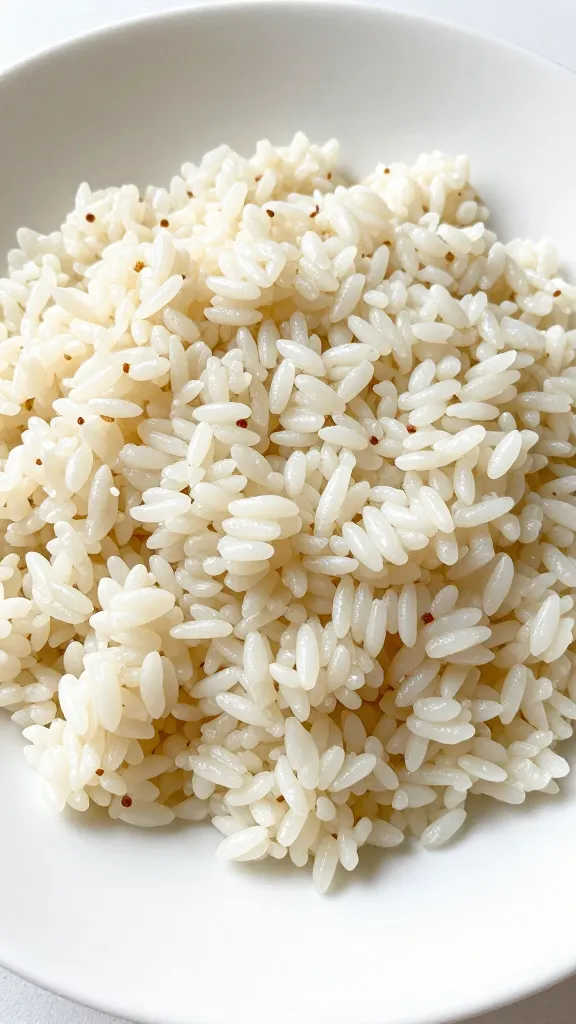
Soft textures are your best friends when the gut says “thank you, please.” The trick is choosing grains and finishes that are easy to digest and not prone to causing drama.
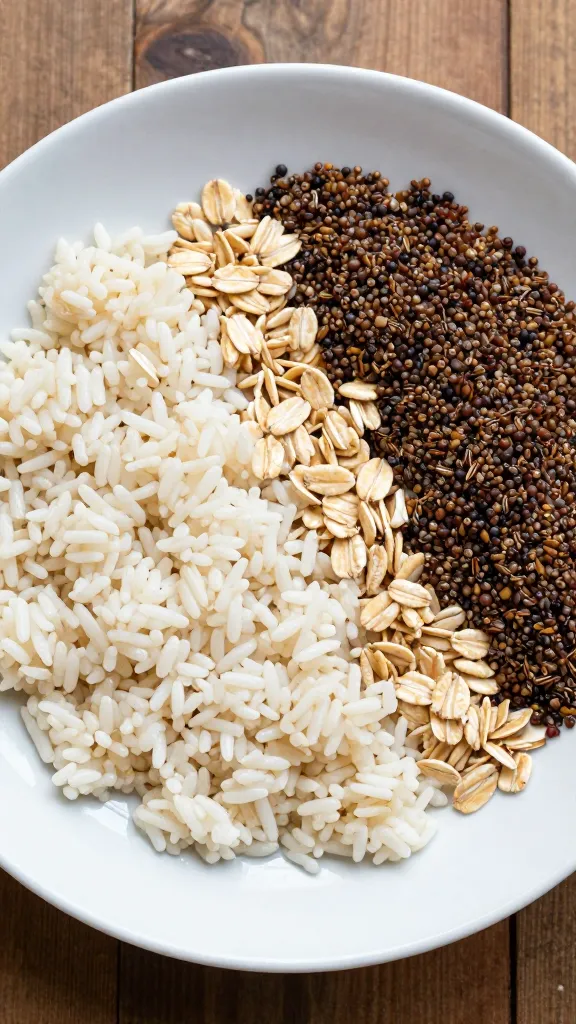
– White rice and rice noodles are classic crowd-pleasers. They’re bland-safe and comfy on the tummy.
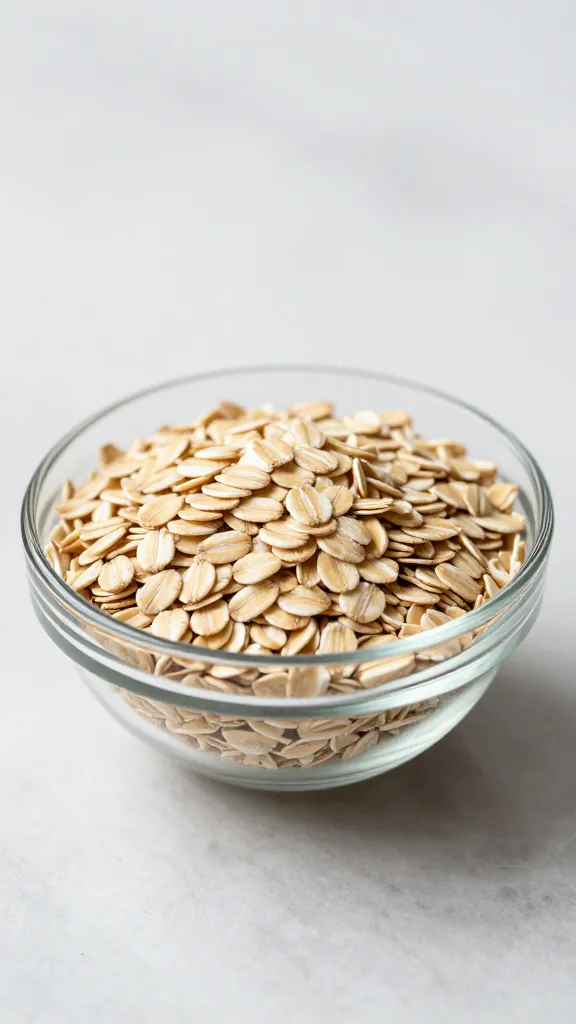
– Oats labeled gluten-free offer fiber without the rough edges. Soaked or ground into flour, oats can be surprisingly gentle.
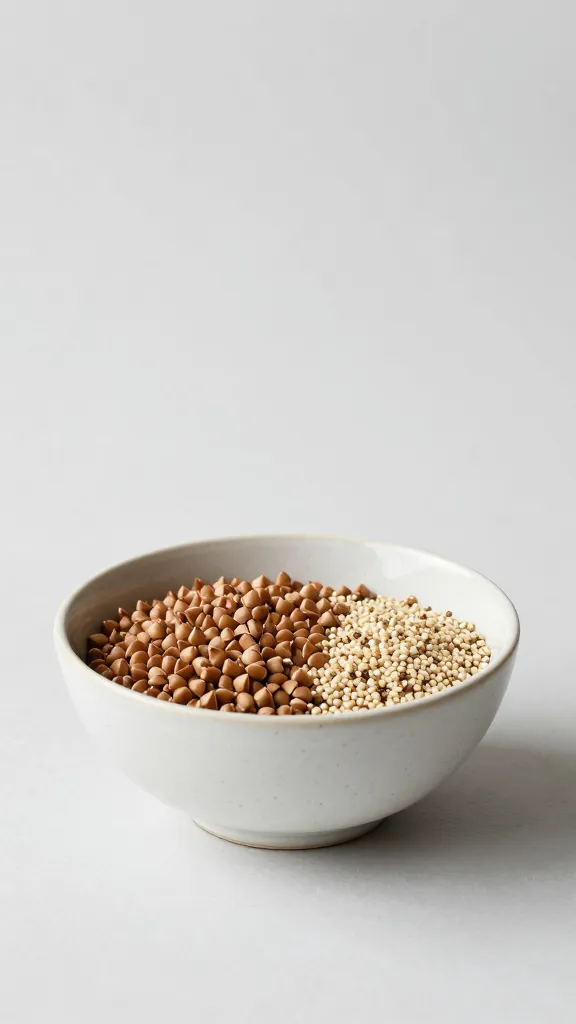
– Buckwheat and quinoa can be easy on some folks, especially when prepared simply and thoroughly cooked.
– Potato-based products (mashed potatoes, soft edibles) bring that creamy, forgiving texture you crave.
– Rice flour and cornstarch as thickeners can replace heavier gluten-containing options without wrecking digestion.
FYI: texture matters. The softer the feel, the happier the gut tends to be. If you’re new to gluten-free cooking, start with milder options and slowly introduce more variable textures.
Soft Breakfasts That Don’t Kick Your Stomach in the Morning
Morning meals set the tone. You want something you can bite into without wincing.
Oat-based options (gluten-free)
– Soaked or overnight oats with mashed banana and a drizzle of honey feel like a cozy hug.
– Oat pancakes made with gluten-free oats and a bit of banana can be fluffy without being heavy.
– Add a dollop of yogurt if you tolerate dairy, or go coconut yogurt for a dairy-free route.
Other gentle starts
– Scrambles with soft veggies and a touch of soft cheese or dairy-free alternative.
– Rice cereal or millet porridge for a warm, easy-to-digest option.
Tips for best results:
– Soak oats overnight to reduce phytic acid and improve digestibility.
– Keep portions moderate until you know how your gut reacts.
– Avoid overly sweet breakfasts; sugar can irritate sensitive tummies.
Proteins That Keep It Light Without Feeling Like a Battle
Protein is essential, but heavy meats or fibrous cuts can feel like a rodeo for sensitive stomachs. Let’s pick options that slide down easy.
Gentle proteins
– Eggs prepared softly (soft scrambled or poached) are gentle and versatile.
– White fish like tilapia or cod, baked or steamed, tends to be milder than red meat.
– Tofu and tempeh if you tolerate soy fairly well; press and cook to reduce any heaviness.
– Soft-cooked chicken breast or turkey, shredded or diced, blends well with easy sides.
Alternate proteins
– Lentils and chickpeas in small portions, well-cooked and mashed, can be kind to the gut when introduced slowly.
– Nut butters benefit smoothies or spread thinly on gluten-free toast, but watch portions if you’re sensitive to seeds.
Common mistakes:
– Going heavy on proteins right away after starting GF can stress digestion. Ease in and listen to your tummy.
Soft, Gentle Gluten-Free Baking Without the Guts-Drama

Baked goods can be the tricky part—soft, comforting, but not harsh on the gut. Here’s how to keep them kind.
Flour blends that won’t punch you in the gut
– Use blends that combine rice flour, potato starch, and a bit of tapioca for tenderness.
– Avoid heavy rye or barley substitutes; they aren’t gluten-free and won’t help your digestion.
Moisture and texture
– Add psyllium husk or chia seed gel to improve moisture without adding heaviness.
– Use mashed bananas or applesauce to keep breads soft and crumbly in a good way.
Tips for best results:
– Don’t overwork gluten-free dough; it can get gummy and heavy.
– Bake at slightly lower temperatures a bit longer to avoid a dense center.
– Rest baked goods after cooling; they often taste softer after a short nap.
Sauces, Dressings, and Sides That Add Flavor Without Upsetting Stomachs
A good gluten-free plate needs sauces that don’t ignite drama. Here are soft, forgiving companions.
Flavor boosters that stay gentle
– Plain olive oil, lemon juice, and a pinch of salt can elevate a dish without adding gut chaos.
– Simple dairy or dairy-free yogurt dressings provide creaminess without heaviness.
– Mild, low-acid tomato sauces or gentle curry sauces can be introduced in small portions to test tolerance.
Thickening without the drama
– Cornstarch or rice flour slurries work well for gravies and sauces without the gluten tangent.
– Pureed vegetables (carrot, cauliflower) add body to sauces while staying gentle.
Pro tips, Common Mistakes, and Quick Variations
Pro tips
– Always read labels. Gluten-free doesn’t automatically mean gut-friendly.
– Introduce one new ingredient at a time. Your gut will thank you for the low drama.
– Hydration helps digestion. Pair meals with water or mild beverages.
Common mistakes
– Overly fibrous sides or heavy sauces that sit like a rock in your stomach.
– Skipping texture variety—soft alone can bore the gut, but too many rough edges upset it.
– Assuming “gluten-free” equals easy digestion for everyone. It’s personal.
Variations
– Swap white rice for cauliflower rice for a lighter grain-free option.
– Use mashed sweet potato instead of white potato for a different nutrient profile.
– Try almond milk or oat milk in place of dairy if dairy aggravates you.
FAQ
Are there any red flags I should watch for with soft gluten-free foods?
Yes. If you notice persistent bloating, severe abdominal pain, or changes in stool that don’t improve after a couple of weeks, talk to a healthcare professional. Everyone’s gut is unique; what’s gentle for one person might not be for another.
Can I “cheat” with gluten-free foods if I have a sensitive stomach?
Moderation is key. A small treat won’t derail progress, but frequent indulgence can lead to discomfort. Listen to your body, and aim for a steady, forgiving routine.
What’s the biggest mistake people make when cooking GF for sensitive stomachs?
Overcomplicating dishes or loading up on heavy, fibrous ingredients. Keep textures soft, flavors mild, and portions reasonable.
Conclusion
Soft gluten-free foods for a sensitive stomach aren’t about sacrificing flavor or fun. They’re about choosing gentle textures, simple ingredients, and smart substitutions that make meals feel like a hug, not a gut punch. Start with the basics, introduce new items slowly, and keep a mental (or actual) diary of what works. IMO, a little planning goes a long way—and FYI, your taste buds may even start to prefer this kinder approach after a while. You’ve got this.