
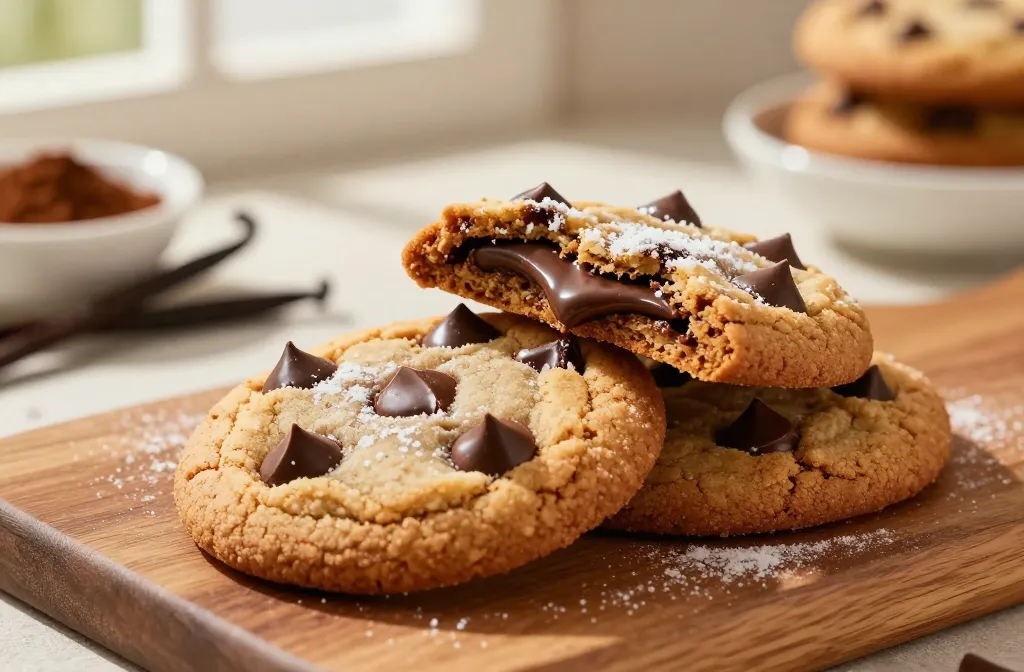
We all know the cookie drill: you want something soft, chewy, and gluten free that actually tastes like a real chocolate chip dream. No grainy texture. No fuss. Just gooey goodness that disappears faster than you can say “another batch, please.” Welcome to the world of Soft Chewy Gluten Free Chocolate Cookies—where every bite feels like a warm hug from your gluten-free best friend.
What makes a cookie truly soft and chewy?
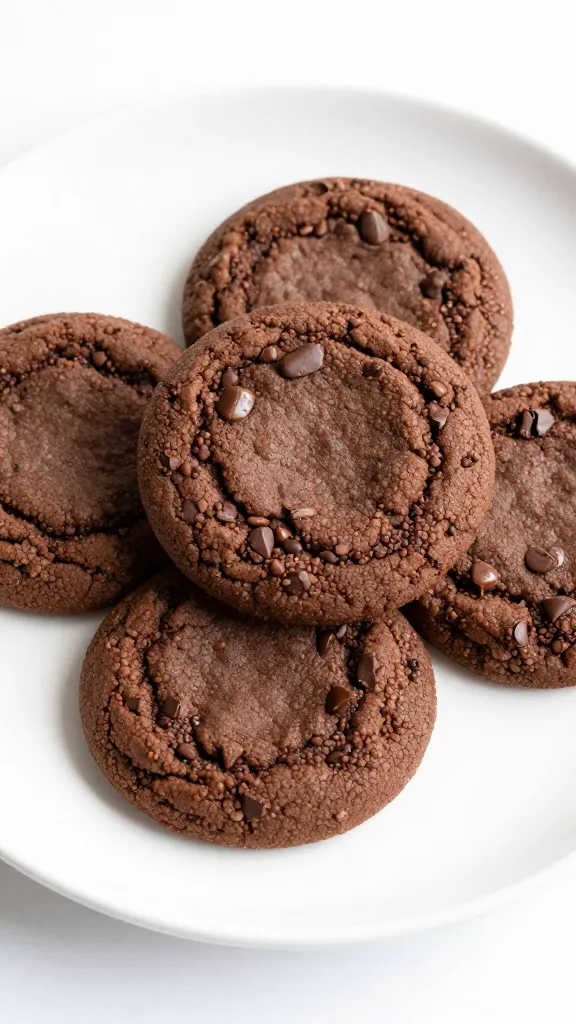
Let’s cut to the chase. The secret sauce is moisture and a little science magic. Think higher moisture ingredients, a touch of brown sugar, and a short bake so the center stays plush. Too long in the oven, and you’re left with a stiff, sad cousin of a cookie. Not today, not ever.
– Brown sugar is your bestie. It keeps things tender and adds that caramel-y punch.
– Butter or a blend adds richness and helps melt into a chewy center.
– A bit of cornstarch or gluten-free flour mix can soften the crumb, not make it gritty.
– Don’t overwork the dough. Gentle mixing keeps the cookies tender and prevent tough gluten-free cohesion.
FYI, a splash of vanilla and a pinch of salt round out the flavors and keep them from tasting flat. If you’re feeling fancy, a drizzle of espresso powder boosts the chocolate without screaming coffee.
The gluten-free flour dilemma (and how to win it)
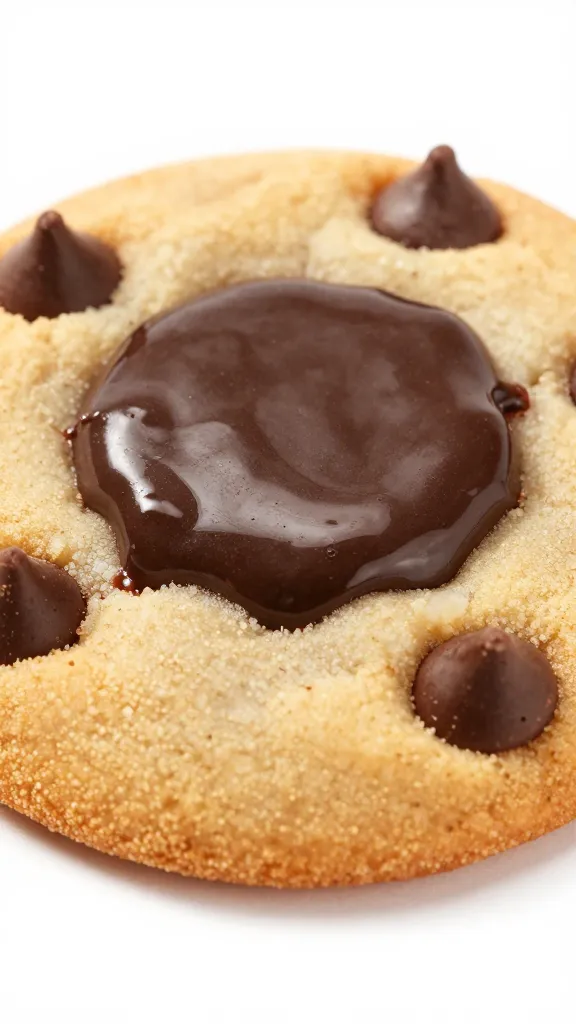
Gluten-free baking can feel like wandering a maze, but you can win this game with a simple plan. Use a 1:1 gluten-free all-purpose flour blend that includes xanthan gum, or add 1/4 teaspoon xanthan gum per cup of flour if your blend lacks it. No xanthan gum? No problem—try a touch of ground flaxseed or chia seed to help with binding, but know it changes texture a bit.
– Choose a blend labeled for cakes or cookies to get that softer crumb.
– If you only have one type of flour, don’t panic. You can add a tablespoon of cornstarch per cup to lighten the crumb.
– The more moisture, the softer the bite. Adjust by slightly reducing liquid or adding a touch more fat if your dough seems too loose.
Pro tip: sift your dry ingredients. It prevents clumps that ruin that smooth, even cookie texture.
Ingredients that actually matter
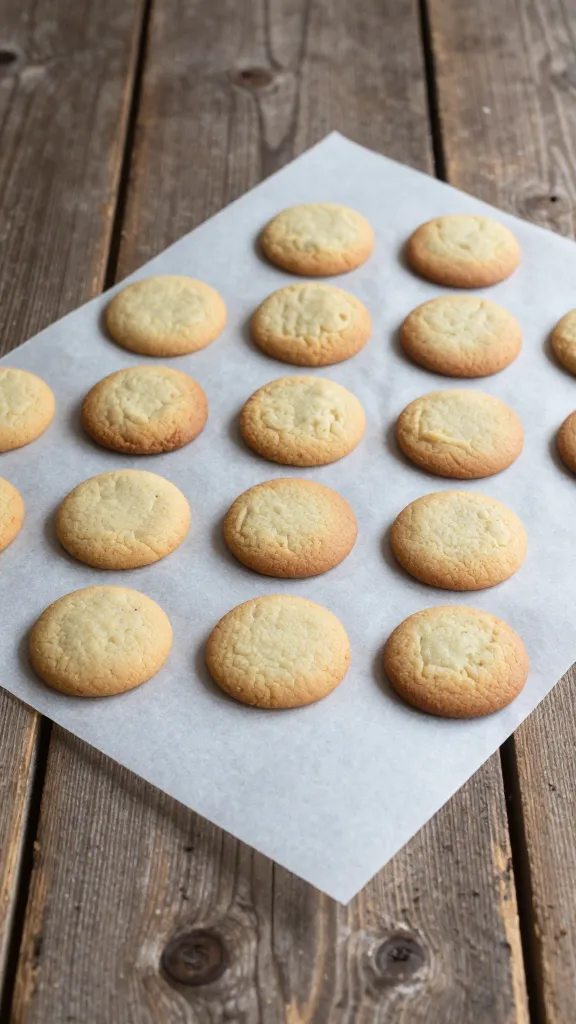
Here’s a practical short list you can tweak like a DJ at a bake-off:
– 1 cup gluten-free all-purpose flour blend (with xanthan gum) or 3/4 cup plus 1/4 cup, plus a tablespoon of cornstarch.
– 1/2 cup unsalted butter, melted (or half butter, half coconut oil for flavor twist).
– 1/2 cup brown sugar, packed; 1/4 cup granulated sugar (keeps the edges crisp but centers soft).
– 1 large egg plus 1 teaspoon vanilla extract.
– 1/2 cup semi-sweet or bittersweet chocolate chips.
– Pinch of salt, pinch of baking soda, optional cinnamon for warmth.
If you want to go dairy-free, swap butter for melted coconut oil and use dairy-free chocolate chips. If you want extra chew, substitute a couple of tablespoons of honey or maple syrup for part of the sugar. FYI, less sugar means less chewy; more sugar = more gooey center—your mileage may vary.
Technique matters: mixing, chilling, and baking
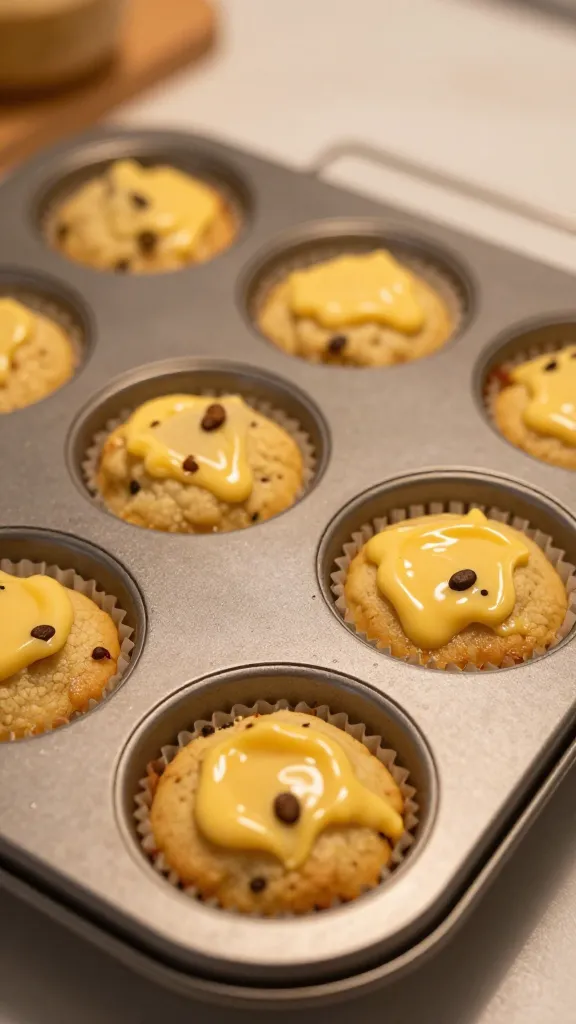
– Mix lightly: cream the butter and sugars just until combined. Overmixing gluten-free dough can lead to denser cookies.
– Add egg and vanilla, then fold in dry ingredients until just combined. Don’t beat it into submission.
– Chill the dough for at least 30 minutes. This helps the edges set while the centers stay soft.
– Bake briefly at a higher temp to set the outside but keep the inside soft. Keep an eye on them in the last 2 minutes—they should look barely set in the center.
How do you know they’re done? The edges look set but the centers still look slightly undercooked. They’ll continue to firm up as they cool on the sheet. If you want truly fudgy centers, pull a bit earlier and let them finish on the hot tray.
Pro tips
- Chill + portioning: Use a cookie scoop for uniform cookies, chill the dough balls on a parchment-lined tray, then bake from the chilled state for more even centers.
- Texture control: For ultra-chewy, add 1–2 tablespoons of applesauce or yogurt to your dough. It adds moisture without thinning the batter too much.
- Flavor boosters: A pinch of espresso powder or a splash of almond extract can deepen the chocolate notes without making it taste like coffee or almonds, unless you want that.
Ingredient swaps
- Use half dark brown sugar for deeper caramel notes, or half light brown for a subtler sweetness.
- Swap chocolate chips with chopped dark chocolate chunks for a more rustic bite.
- Try adding chopped nuts for crunch: pecans, walnuts, or almonds—give them a quick toast to wake up the flavor.
Tips for best results
- Line your sheets with parchment. Sticking is the enemy of soft cookies.
- Count the minutes: bake 9–11 minutes depending on oven and thickness. They should look a touch underdone in the center.
- Cool on the sheet for 5 minutes before transferring to a rack. This lets them set without hardening.
Common mistakes (and how to dodge them)
- Overmixing the dough after adding dry ingredients. It develops air pockets and a crumbly texture.
- Using old flour blends that aren’t labeled gluten-free or lack xanthan gum. Your cookies will crumble and behave badly.
- Baking too long. Gluten-free cookies can go from chewy to chalky fast if you leave them in too long.
Variations
- White chocolate macadamia GF cookies with macadamias and white chocolate chunks.
- Double chocolate: add 2 tablespoons of cocoa powder to the dry mix for extra richness.
- Sea salt finish: sprinkle flaky salt on top before baking for that sweet-salty punch.
Comparison blocks
Soft Chewy GF Cookies vs. Classic Gluten Cookies:
- Texture: GF versions can be softer and chewier; classic cookies tend to be crispier if baked longer.
- Flavor: Chocolate intensity remains strong in both, but GF versions benefit from proper fats and sweetness balance.
- Ingredient burden: GF baking often requires more mindful ingredient choices and binding agents.
FAQ
Q: Can I freeze the dough? Yes! Scoop the dough, freeze on a tray, then transfer to a bag. Bake from frozen, adding a minute or two to the bake time. Practical when you want cookies on standby.
Q: How do I store leftovers? Store in an airtight container at room temperature for 3–4 days. For longer, freeze and rewarm in the microwave or oven.
Q: Do gluten-free cookies always taste different? Not with the right balance. Use a good gluten-free blend, manage moisture, and don’t overbake. Then you’ll forget they’re GF—promise.
Pro tips, common mistakes, variations — quick recap
Pro tip: chill the dough, bake until the centers look just set, and don’t skip the salt pinch. Common mistake: overmixing or overbaking. Variations: swap spices, nuts, or chocolate types to customize. FYI, experiment with a hint of espresso for depth or a dash of cinnamon for warmth.
Conclusion
Soft Chewy Gluten Free Chocolate Cookies aren’t just a fallback dessert—they’re a celebration of texture and flavor that proves gluten-free can still be indulgent. With the right blend, the right chill, and a quick bake, you’ll be serving bakery-worthy cookies at home without the gluten fog. So bake a batch, share a batch, and revel in that fudgy, chewy goodness. You and your gluten-sensitive friends deserve it. Enjoy, and may your kitchen be forever delicious.