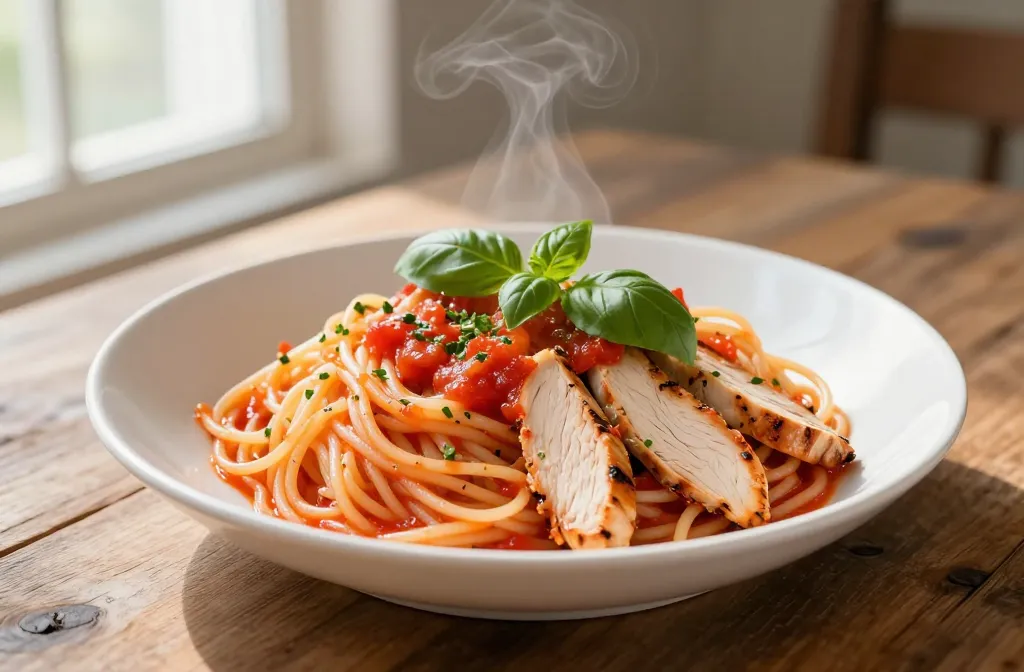
Gluten-Free Spaghetti for Weight Loss (Light Tomato Sauce + Low Calorie)
Buckle up, friends. You can eat pasta and still chase your weight-loss goals—yes, really. This gluten-free spaghetti plan keeps calories in check with a light tomato sauce and smart swaps that don’t taste like cardboard. Spoiler: flavor wins, not punishment.
Why gluten-free spaghetti can fit into a weight-loss plan
You don’t need to give up pasta to slim down. Gluten-free doesn’t automatically mean low-calorie, so the trick is choosing portions, sauces, and protein to keep you full longer. Gluten-free spaghetti often has a different texture and cooking time, but with the right approach, it can be a satisfying, lighter option. FYI, the goal isn’t deprivation—it’s balance.
Picking the right spaghetti and sauce: quick guide
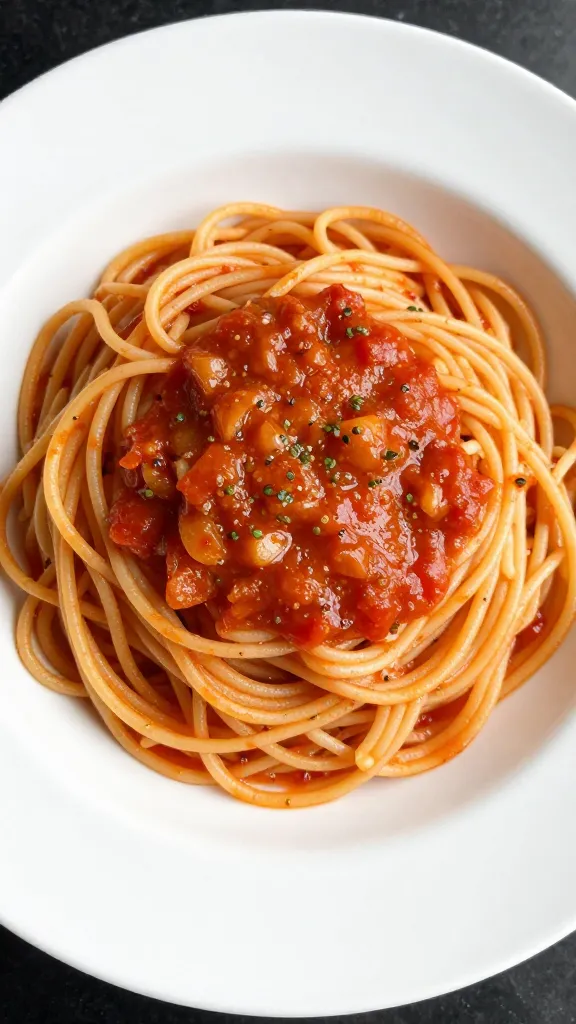
Tips to stay on track without sacrificing taste:
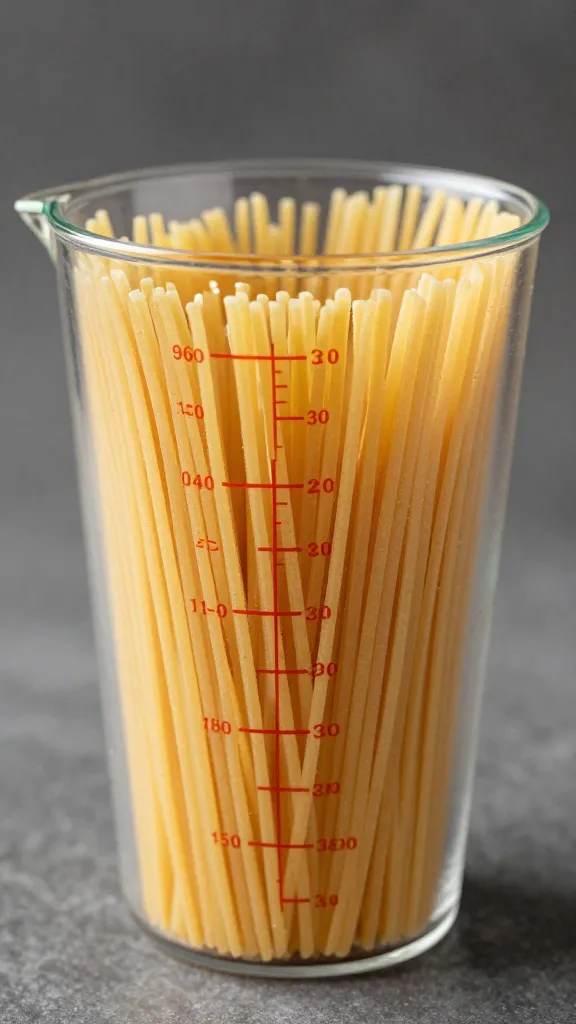
- Choose portions: 1 cup cooked spaghetti is usually enough for most people. Measure, don’t guess.
- Look for light sauces: A tomato-forward sauce with herbs beats heavy cream-based options any day.
- Check the calories: Aim for a sauce under 150-180 calories per serving, and keep oil additions modest.
- Protein matters: Add lean protein like chicken, turkey, or beans to improve satiety.
Light tomato sauce that actually tastes like something
A tomato sauce doesn’t have to be sparse to save calories. Build depth with simple, pantry-friendly elements:
- Use crushed tomatoes as the base for a bright, clean flavor.
- Add aromatics: garlic, onion, oregano, and a pinch of chili flakes
- Let it simmer: a 15–20 minute simmer concentrates flavor without adding calories
- Finish with fresh basil or parsley for a pop of freshness
Smart add-ins that boost fullness without extra guilt
To make your bowl feel substantial without piling on calories, consider these:
- Lean protein: grilled chicken, turkey, shrimp, or chickpeas
- Fiber boosts: sautéed spinach, mushrooms, or zucchini ribbons
- Healthy fats in moderation: a teaspoon of olive oil, a few olives, or avocado slices
- Texture variation: a sprinkle of crushed red pepper for heat, or a handful of arugula stirred in at the end
Flavor tricks that keep it exciting
Hint: you don’t need a heavy sauce to feel indulged. Use these to punch up taste without piling on calories:
- Roast garlic for sweetness that blends into the sauce
- Apply citrus zest (lemon or orange) for brightness
- Sweeten with a tiny splash of balsamic vinegar if the tomatoes taste flat
- Finish with fresh herbs right before serving
Ingredient swaps (to fit your pantry or budget)
- Spaghetti options: try chickpea pasta for more protein and fiber, or a rice-based noodle if you’re avoiding grains entirely. All gluten-free, all doable.
- Tomato base: canned crushed tomatoes are convenient; add tomato paste sparingly to thicken without extra calories.
- Protein swaps: canned tuna or salmon for quick omega-3 boost; lentils for plant-based days
- Oil swap: if you’re counting fat, reduce oil to 1 teaspoon and rely on the sauce’s tomato moisture for body.
Pro tips for portion control and consistency
- Use a kitchen scale or measuring cups to portion pasta. It’s a tiny habit that saves big calories later.
- Bulk up with veggies to add volume without many calories—think 2 cups of veggies per serving.
- Make a big batch of sauce and freeze in portions. Less cooking time and fewer temptations to overeat.
Common mistakes (and how to avoid them)
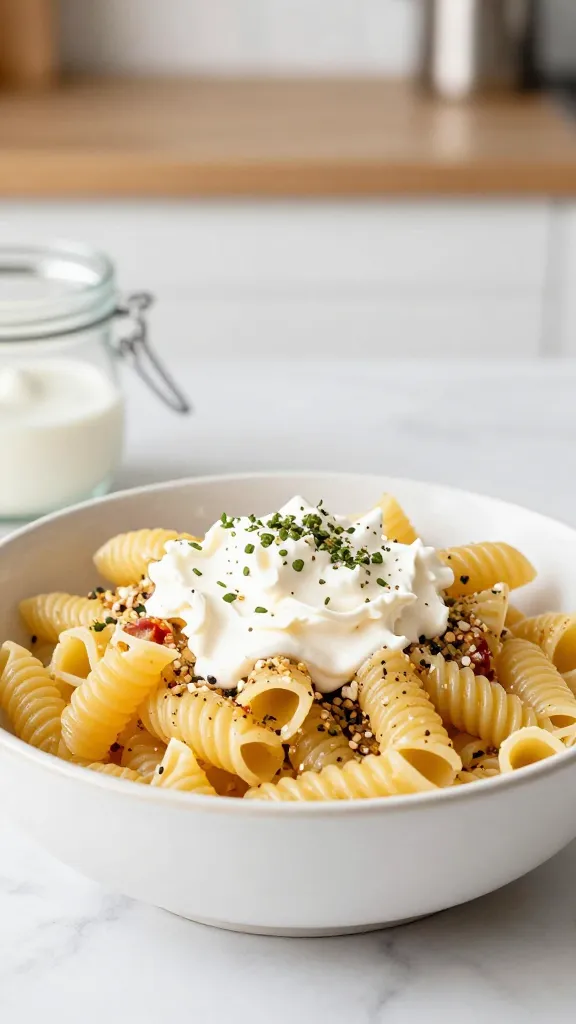
- Over-saucing: sauce should flavor the pasta, not drown it. Aim for about 1/2 cup sauce per serving.
- Ignoring protein: a plate of pasta with just sauce and pasta leaves you hungry soon after. Add protein for staying power.
- Choosing high-calorie add-ins: avoid extra cheese and creamy toppings that blow the calorie budget.
- Not tasting as you cook: quick taste checks save you from over-salting or under-seasoning later.
Variations to keep things fresh
- Spicy tomato basil with crushed red pepper and fresh basil
- Garlic-lemon shrimp with a light olive oil drizzle
- Eggplant and tomato ragù for a heartier, veggie-forward option
Comparison blocks: gluten-free spaghetti options
- <strongChickpea spaghetti: higher protein and fiber, firmer bite, slightly nutty flavor.
- <strongRice spaghetti: neutral taste, softer bite, cooks quickly; good for quick weeknights.
- <strongCorn-based spaghetti or blends: neutral flavor, tends to hold shape well but can be softer.
- <strongTraditional gluten-free corn-tapioca blend: widely available, decent texture, watch for gumminess if overcooked.
Recipe: Gluten-Free Spaghetti with Light Tomato Sauce
- Servings: 2-3
- Cook pasta according to package directions in salted water. Drain and reserve a splash of pasta water.
- Sauté 2 cloves minced garlic and 1/4 onion in 1 teaspoon olive oil until fragrant.
- Add 1 can crushed tomatoes (14 oz), 1 teaspoon dried oregano, pinch of chili flakes, salt, and pepper. Simmer 15–20 minutes.
- Stir in 1–2 tablespoons chopped fresh basil or parsley. Add a splash of pasta water if the sauce seems too thick.
- Mix in cooked gluten-free spaghetti. Top with 3–4 cooked shrimp or 1/2 cup chickpeas for protein.
- Finish with a squeeze of lemon or a teaspoon of olive oil if desired, then serve hot.
Pro tips
- Prep once, eat twice: double the sauce and freeze portions for nights when you want fast, light meals.
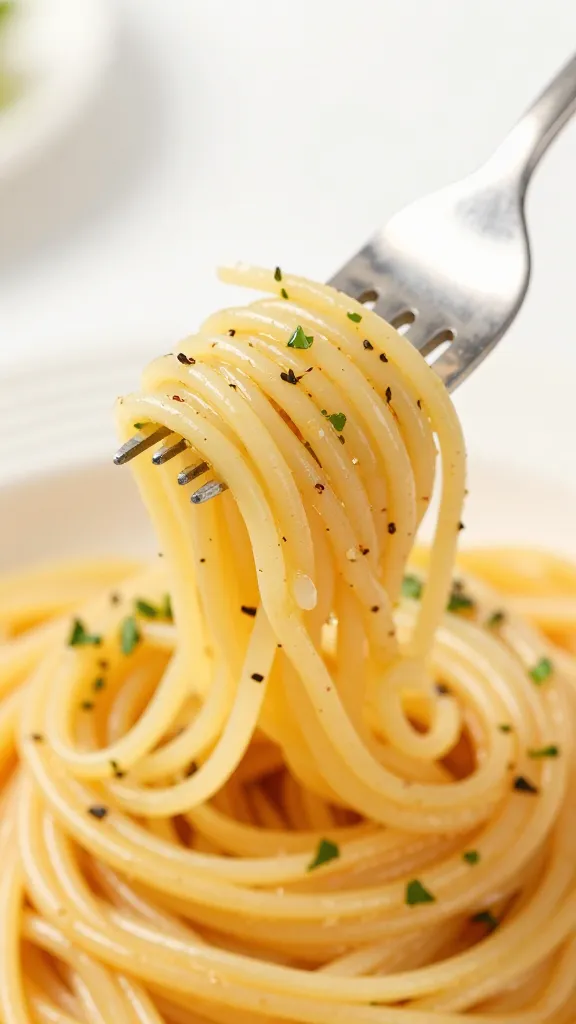
- Plate like a pro: twirl spaghetti with a fork and a spoon for neat portions; you’ll eat less and feel fancy.
- Salt smart: salt in stages—start with a pinch in the sauce and finish with a final sprinkle off the heat to avoid oversalting.
FAQ
Q: Will gluten-free spaghetti taste different? A: It can, depending on the brand. Some are firmer, some softer. The key is cooking to al dente and pairing with flavors that complement the texture. FYI, texture can be personal, so try a few brands to find your favorite.
Q: Can I skip oil in the sauce? A: Yes, you can. Use a small amount of olive oil to carry flavor, or sauté in water or broth for a lighter option. IMO, a touch of fat often helps with satiety and flavor, but adjust to your plan.
Q: How can I make this more filling without calories exploding? A: Add lean protein and fiber-rich veggies. Think grilled chicken and spinach, or chickpeas and zucchini. The goal is volume with sensible calories.
Q: Is a vegetarian version okay? A: Absolutely. Use beans, lentils, or tofu for protein. The tomato sauce still carries the flavor forward, and you don’t lose the light feel.
Conclusion
If you want pasta without the guilt, gluten-free spaghetti with a light tomato sauce is a solid move. Keep portions sensible, lean on the sauce’s brightness, and toss in protein and veggies for staying power. It’s not about deprivation—it’s about smarter choices that taste great. IMO, you might even surprise yourself at how satisfying a light dish can be. Give it a try, and you’ll be coming back for seconds—just not in a calories-after-midnight kind of way.