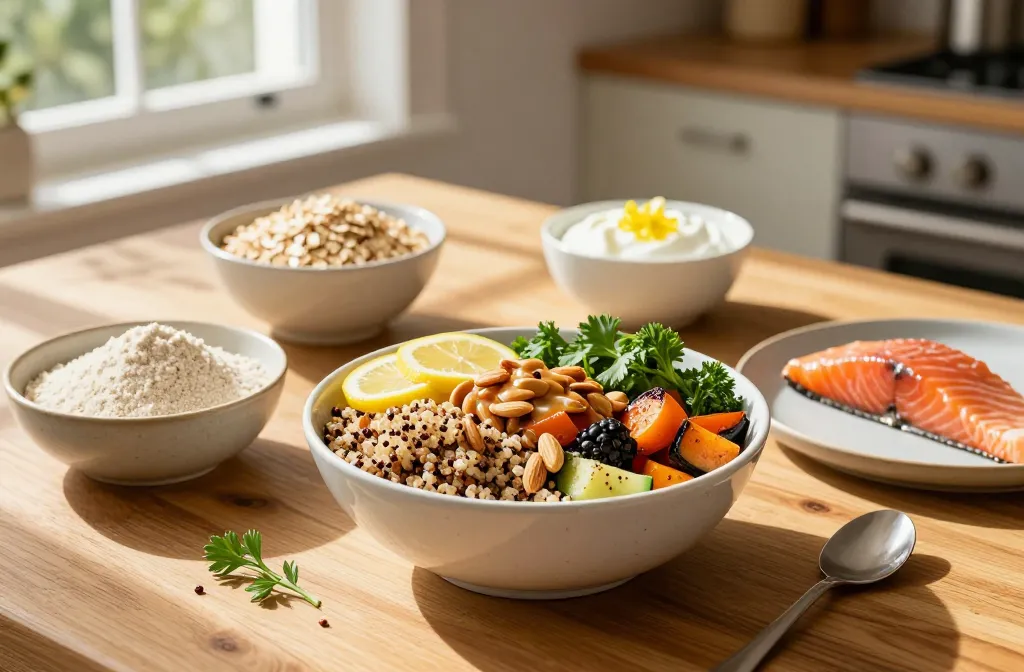
Looking for gluten-free recipes that actually taste great after 40? You’re not imagining it: the game changes, but so can your meals. Let’s ditch the boring GF myths and discover dishes that fuel busy days, happy hips, and that craving for something delicious.
Why gluten-free can be your best friend after 40
If your body has whispered that gluten isn’t your vibe anymore, you’re not imagining things. After 40, digestion, energy, and inflammation tendencies shift. A well-planned gluten-free approach can cut bloat, keep you fuller longer, and give you stealthy energy for workouts or mom-life marathons. It’s not about chasing trends; it’s about tailoring what you eat to how you feel.
What to stock in a gluten-free kitchen that actually works
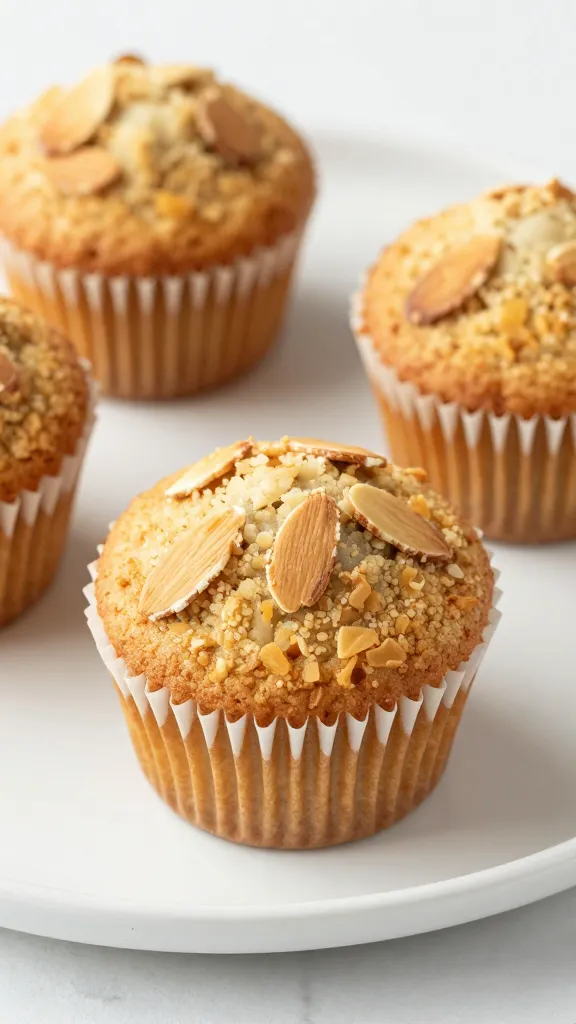
– Foundation staples: gluten-free flours (almond, coconut, rice, oat if certified), legumes, quinoa, buckwheat, polenta, and certified GF oats.
– Protein punch: eggs, Greek yogurt, chicken, salmon, tofu, tempeh, lean beef.
– Flavor boosters: garlic, ginger, lemon zest, herbs, vinegars, olive oil, tahini.
– Smart swaps: cornstarch or arrowroot for thickeners, cassava flour for baking, and nut-based milks.
Ever try a “stock your freezer with love” strategy? Having pre-portioned GF meals and ingredients on hand makes the difference between “I’ll order takeout” and “I’ll whip this up.” FYI, prep time pays off.
Breakfast that doesn’t feel like a compromise
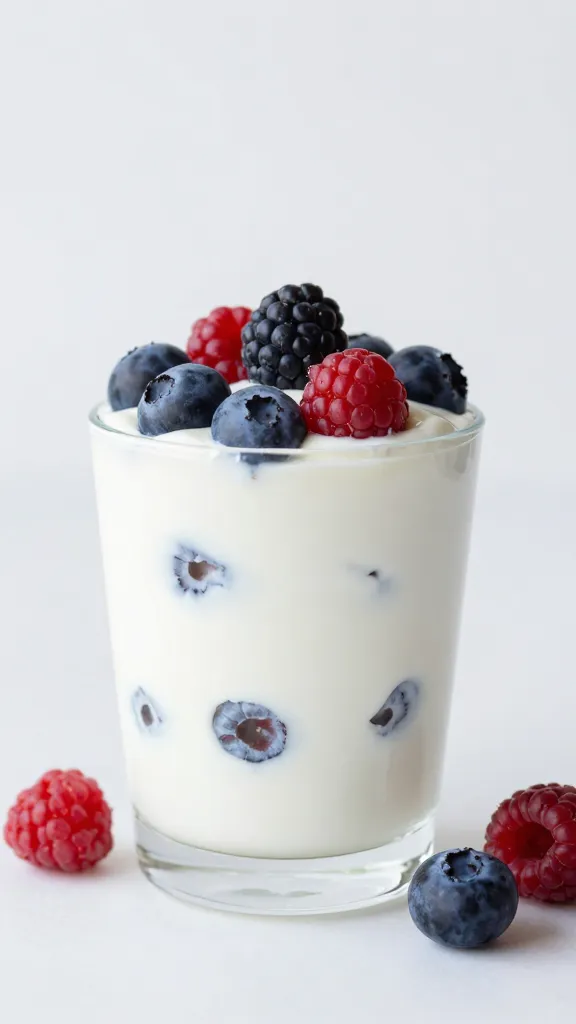
Starting the day with something satisfying sets the tone. Here are simple, tasty ideas that won’t weigh you down.
Egg-based goodness
– Scrambled eggs with spinach and feta, served with gluten-free toast.
– Shakshuka with a bright tomato base and coriander—great for leftovers.
Make-ahead mornings
– Overnight oats (certified GF oats) with chia, berries, and a splash of almond butter.
– Chia pudding made with coconut milk and a hint of vanilla.
Tips for best results
– Always rinse oats if you’re sensitive to cross-contact, even if labeled GF.
– Add protein to breakfast to curb cravings by mid-morning.
Lunches that fuel your day without dragging you down
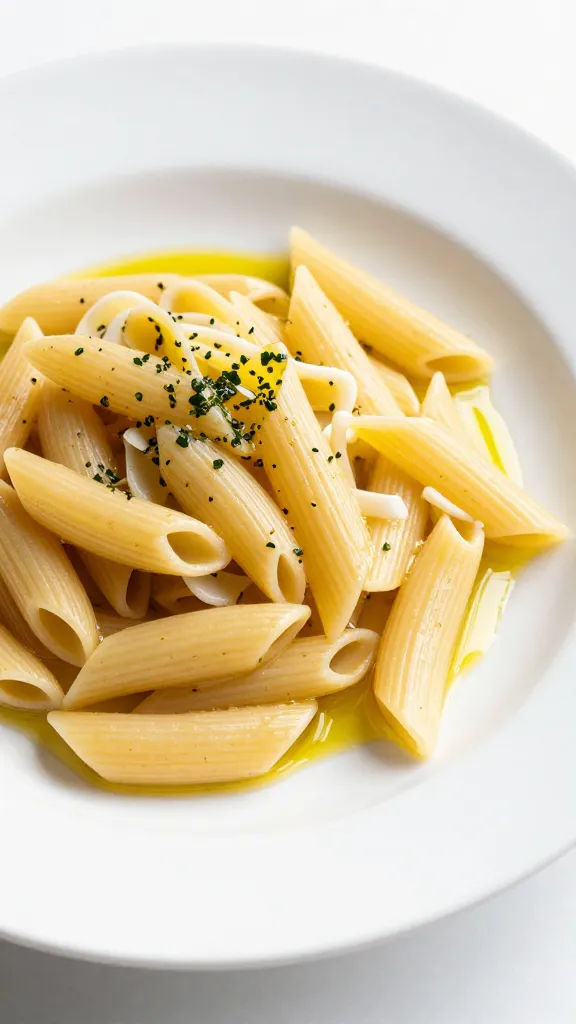
Gluten-free lunches should be satisfying, not a chore. Think color, texture, and staying power.
Salad meets protein
– Kale, grilled chicken, avocado, roasted chickpeas, and lemon-tahini dressing.
– Quinoa bowl with cucumber, cherry tomatoes, olives, feta, and grilled shrimp.
soups and bowls
– Lentil soup with garlic, cumin, and a squeeze of lemon (serve with GF bread).
– Buddha bowls: brown rice, roasted veggies, chickpeas, and a garlic yogurt sauce.
Tips for best results
– Build a “build-your-own” lunch kit: a protein, a grain, a veggie, and a flavor boost.
– Batch-cook proteins on Sundays for quick lunches all week.
Dinner ideas that feel indulgent but stay GF-friendly
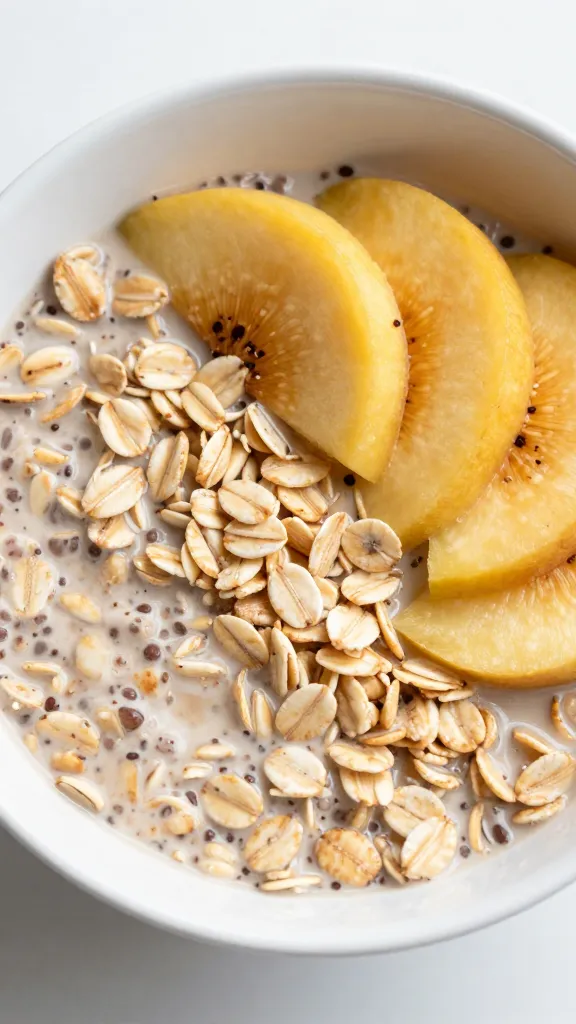
Dinner doesn’t have to be the afterthought. These keep things fresh, tasty, and doable.
One-pan wonders
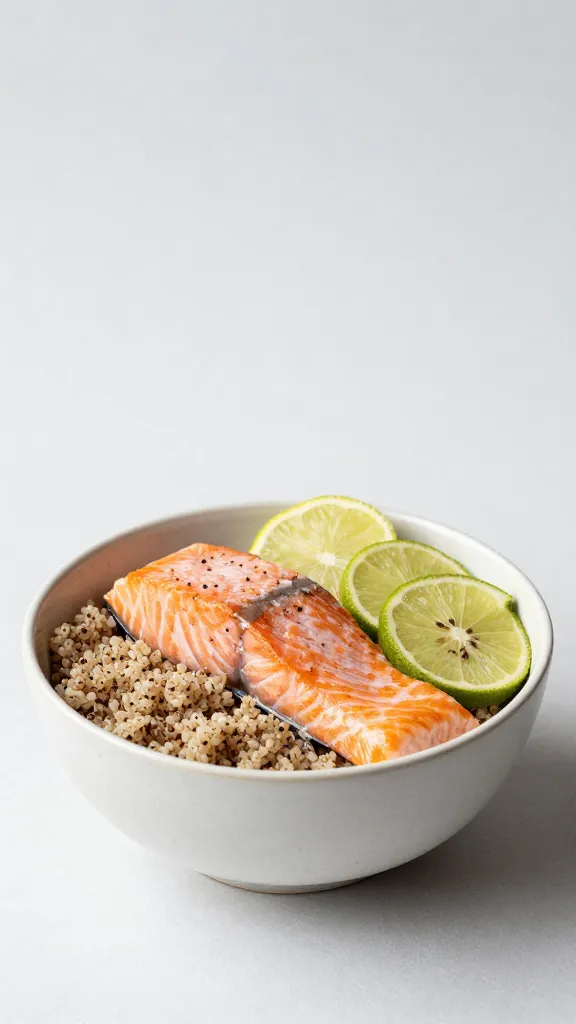
– Lemon-dill salmon with roasted broccoli and quinoa.
– Honey-soy chicken with snap peas over cauliflower fried “rice.”
Comfort without the gluten hangover
– Turkey meatballs with zucchini noodles and marinara.
– Creamy mushroom salmon bake using coconut cream for a luscious finish.
Tips for best results
– Roast vegetables at high heat to get that caramelized edge.
– Don’t skip fat; olive oil or avocado oil helps flavor and satiety.
Snack smarter: little bites that pack a punch
Snacks matter when you’re chasing energy between meetings or after a workout. Keep these in rotation.
Savory bites
– Hummus and veggie sticks, or a few slices of GF crackers with cheese.
– Deviled eggs with paprika and chives.
Sweet but sane
– Apple slices with almond butter.
– Rice cake topped with avocado and a pinch of sea salt.
Tips for best results
– Pre-portion snacks to avoid mindless grazing.
– Opt for protein-rich options to keep blood sugar steady.
Pro tips, common mistakes, and variations
These nuggets will save you time and tummy trouble.
Pro tips
– Always check labels for hidden gluten: malt, malt extract, and some soy sauces can sneak in.
– Read “certified gluten-free” on oats if you’re sensitive to cross-contact.
– Flavor with herbs, citrus, and garlic rather than relying on heavy sauces.
Common mistakes
– Skipping fiber and hydration; both matter for gut comfort.
– Assuming GF desserts are always lighter—many are still energy-dense.
– Not seasoning enough; gluten-free doesn’t have to mean bland.
Variations
– Swap quinoa with millet or buckwheat for different textures.
– Use cauliflower rice instead of regular rice for meals with extra fiber.
– Dairy-free? Use coconut yogurt or almond yogurt in sauces and dressings.
Comparison blocks
– Gluten-free grains:
– Quinoa: high protein, slightly nutty, cooks quickly.
– Buckwheat: toasty flavor, naturally GF, great in pilafs.
– Rice: easy baseline, varies in texture by type.
– Protein sources:
– Chicken: lean, versatile, quick when sliced thin.
– Salmon: omega-3 rich, roasts beautifully.
– Tofu/tempeh: plant-based options that soak up flavors.
FAQ
– Do I need to avoid gluten completely on all days? Some people do; others enjoy a flexible approach. Listen to your body and talk to a professional if needed.
– Will GF products be healthier for me? Not automatically. They’re gluten-free, but many are processed and can be higher in sugar or fat. Focus on whole foods first.
– What’s the best way to handle cravings? Keep balanced meals with protein, fiber, and healthy fats. A GF dessert now and then is fine—just not the default.
Conclusion
Gluten-free living after 40 isn’t a punishment; it’s a chance to refresh your meals with flavor and focus. With a well-stocked kitchen, smart swaps, and a handful of reliable go-to recipes, you’ll feel energized, satisfied, and surprisingly unfussy about what’s on your plate. So grab those GF staples, batch a few proteins, and get cooking. Your taste buds—and your future self—will thank you.