
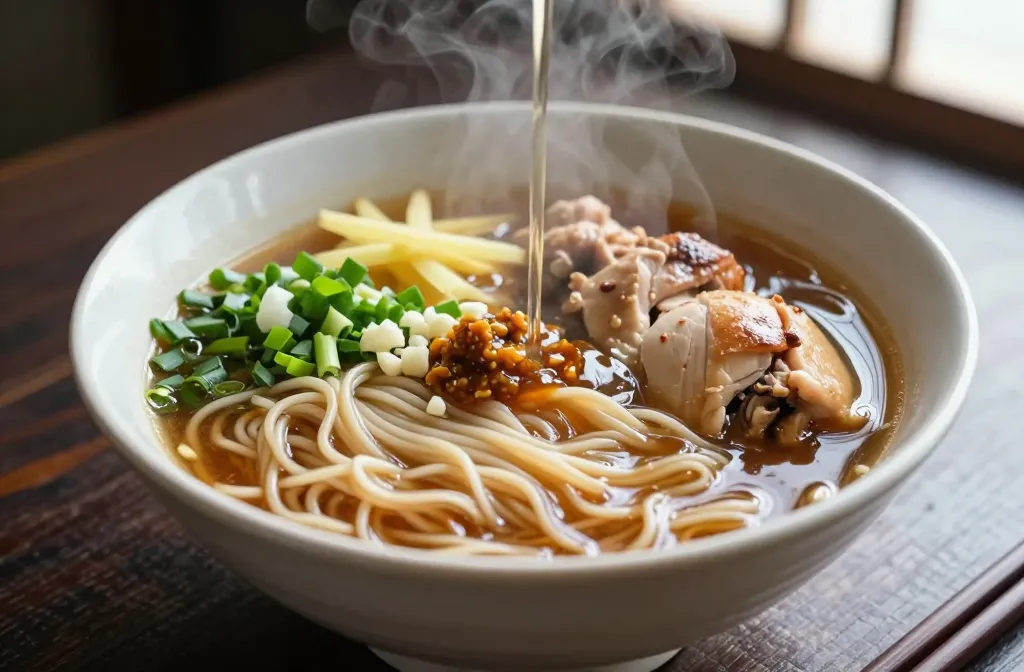
Ditch the noodle confusion and grab a bowl that fuels serious gains. This gluten-free ramen bends the rules: high-protein broth, punchy flavors, and a broth hack that actually helps you recover after heavy sessions. Yes, it’s possible to eat delicious, gluten-free ramen while chasing bigger muscles—no compromise required.
What makes this gluten-free ramen bowl work for muscle gain
Are you tired of boring protein meals that double as mattress commercials? This bowl changes the game. We’re dialing up protein, keeping carbs smart, and using a broth that tastes like a victory lap. The secret sauce is a high-protein broth hack that doesn’t taste like a lab experiment. FYI, you don’t need fancy ingredients to pull this off—just smart substitutions and timing.
The base you actually want to sip on
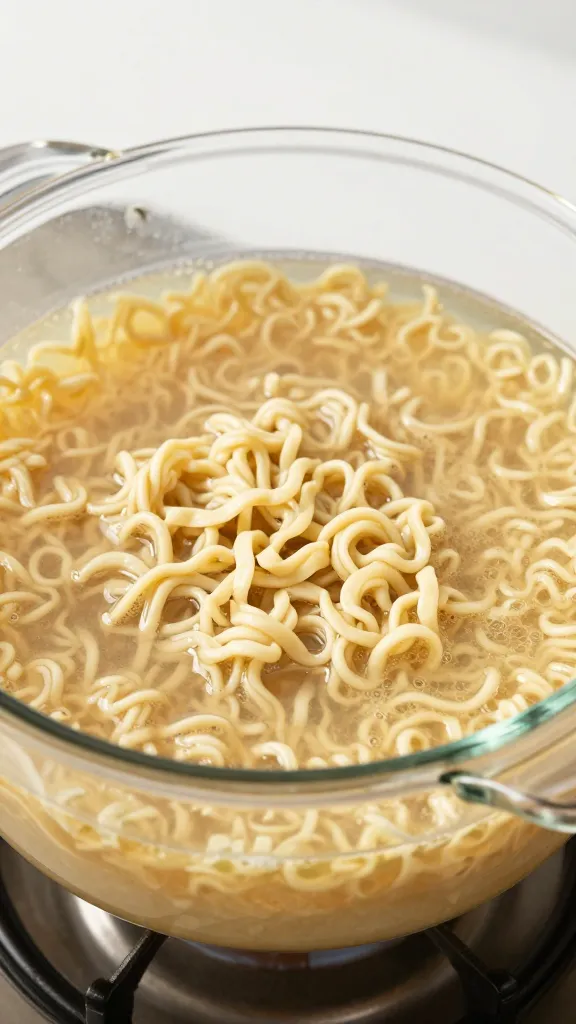
A solid broth is the backbone of any ramen epic. For muscle gain, you want a broth that’s flavorful, collagen-rich, and protein-dense without being cloying.
- Protein punch: Use bones or skin-on chicken thighs simmered for 6–8 hours, or a turkey carcass if you’ve got one. If you’re vegan or dairy-free, swap in a mushroom stock boosted with nutritional yeast and miso paste for depth.
- Flavor boosters: Garlic, ginger, scallions, and a splash of gluten-free soy or tamari. A hint of miso paste adds umami without extra gluten.
- Fast track option: If time is tight, use a high-quality unsalted bone broth as a base and boost with protein powder designed for cooking. Yep, protein powder in soup is a thing—and it actually works here.
Protein strategy: how to pack the bowl with muscle fuel
Gains love protein, but you don’t want to drown the broth in powders or chunks that clump. Here’s how to balance.
- Protein sources: Grilled chicken, lean pork, shrimp, or tofu for plant-based eaters. Keep portions around 30–40 grams per serving depending on your goals.
- How to add texture: Add slices of chicken right before serving so they stay juicy, or do a quick sear for a caramelized edge. Tofu gets a quick pan fry to keep it firm in the hot broth.
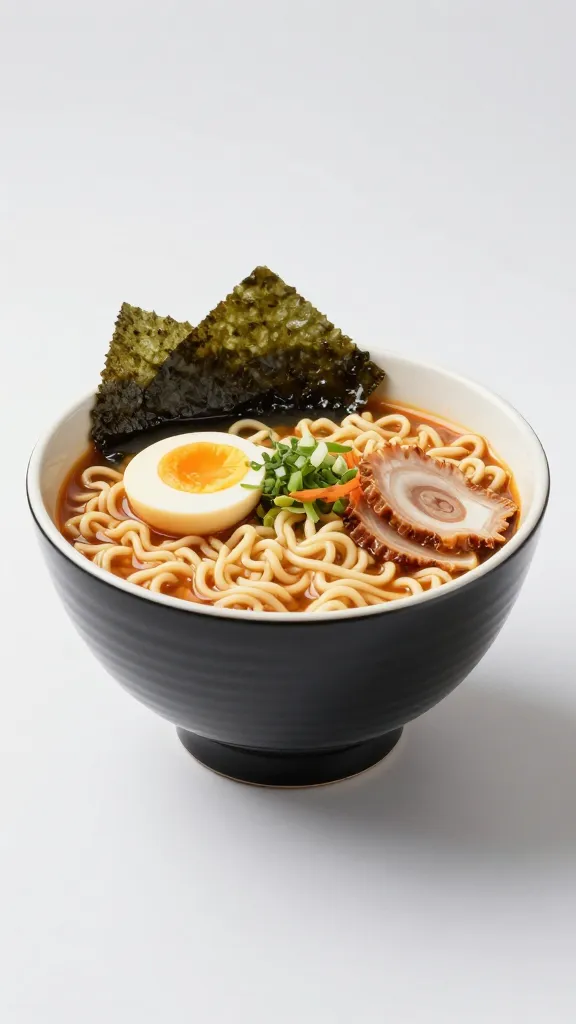
- Egg power: A soft-boiled egg bumps the protein and adds a creamy richness. Aim for a 6–7 minute boil for a jammy yolk that floods the bowl with silkiness.
Gluten-free noodle choices that don’t ruin your gains
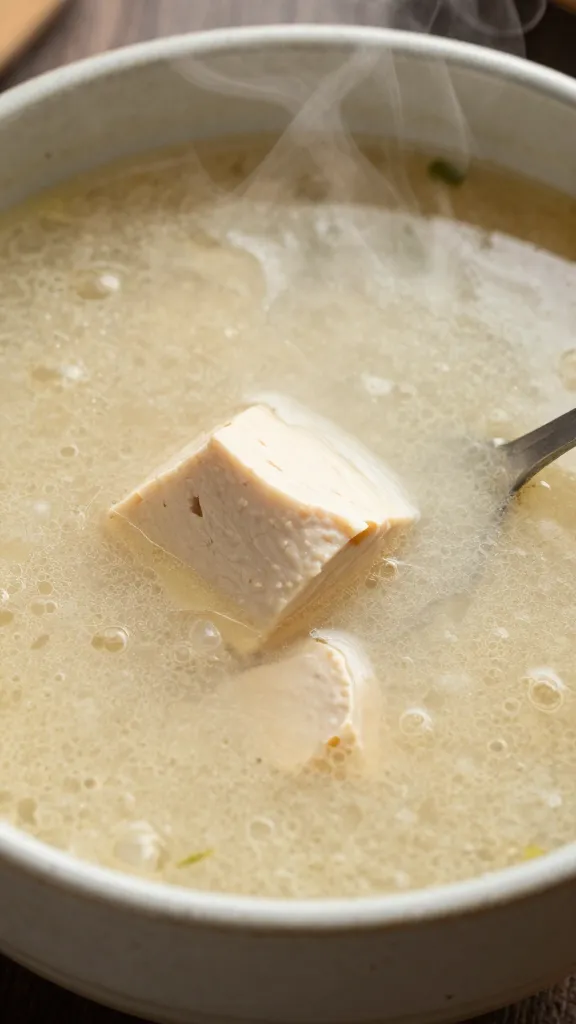
Noodles are the hero that ties everything together, but gluten-free options can be tricky. You want texture, not mush.
- Soba made from buckwheat: Check that they’re 100% buckwheat to avoid gluten contamination. They cook quick and have a nice bite.
- Rice ramen: Virtually gluten-free and quick to cook. They soak up broth like little sponges, which is perfect for a savory, protein-forward bite.
- Shirataki or kelp noodles: ultra-low calorie and a great neutral canvas. They won’t spike your carbs, but you do lose some noodle chew—pair with a robust broth.
- Make it protein-forward: If you’re chasing muscle, don’t treat noodles as the star—let the broth, protein, and veggies steal the show.
Veggies and flavor: the rainbow that boosts recovery
Plants aren’t just garnish here; they’re your recovery teammates.
- Color and crunch: Bok choy, spinach, or kale for greens; mushrooms for savoriness; shredded carrots for sweetness and carotenoids.
- Digestive boost: Add a handful of sliced ginger and a splash of rice vinegar for brightness that helps with digestion after a heavy workout.
- Smart carbs: If you’re training hard, a modest amount of gluten-free rice noodles can help refuel without going overboard. Balance is key.
High-protein broth hack: the secret weapon
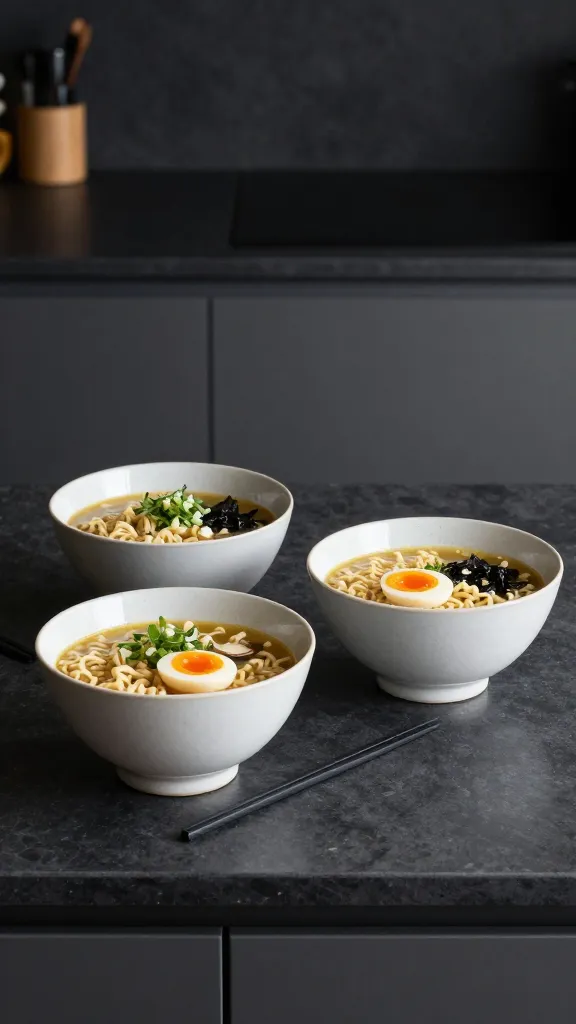
Time to uncover the hack that makes this bowl sing. The trick is to concentrate protein and flavor in a way that’s still silky and not greasy.
- Reduce and enrich: Simmer bones and aromatics longer to extract more collagen and gelatin. Strain, then simmer the stock down a bit more to thicken naturally.
- Protein-boosting additions: Stir in a spoon of miso and a little soy or tamari for depth. If you want extra protein, whisk in a small amount of concentrated whey or a plant-based protein powder designed to dissolve in hot liquids.
- Finishers: A splash of sesame oil, pepper flakes, and chopped scallions right before serving brightens the bowl without adding gluten.
Pro tips
- Freeze portions for quick meals later. A freezer-friendly protein-forward broth makes weeknights easy.
- Don’t overcrowd the bowl with noodles. Let nutrition and flavor have their moment; a lean noodle-to-protein ratio shines best for gains.
- Season gradually. Add salt in layers instead of dumping it all at once—this keeps the broth from tasting flat.
Tips for best results
- Cook noodles separately and add to the bowl at serving time to maintain texture.
- Keep a jar of homemade gluten-free chili oil for a quick flavor kick.
Common mistakes
We’ve all messed up a ramen bowl once. Here’s what to avoid so you don’t derail your gains.
- Overcooking noodles: They become a soggy mess that soaks up too much broth. Noodles should stay firm.
- Weak broth: Don’t skip the bones and slow-simmer phase. Flavor and protein density come from patience.
- Ignoring protein timing: If you train in the afternoon, plan a protein-forward bowl post-workout to maximize muscle synthesis window.
Ingredient swaps
- Swap chicken for turkey or lean beef for different flavor profiles while keeping protein high.
- Use coconut aminos for a sweeter, gluten-free soy substitute if you need a soy allergy-friendly option.
Variations
Here are a few riffs to keep the bowl fresh across the week.
- Spicy miso protein ramen: add a spoon of spicy miso paste for heat without gluten.
- Citrus-ginger broth: brighten with a touch of lime zest and a whisper of grated fresh ginger.
- Umami mushroom ramen: boost with dried shiitake soaking liquid for depth and moodiness.
Comparison blocks
- Rice noodles vs. buckwheat soba: Rice noodles are quicker and gluten-free but can be softer; soba has more bite but check labels to ensure gluten-free. If you’re serious about training, prioritize protein and broth quality over noodle texture.
- Shirataki vs. sustainable starch: Shirataki saves calories but some people miss the chew. Use it as a filler when you’re dialing calories up elsewhere.
FAQ
Q: Can I make this dairy-free? A: Yes. Use a dairy-free stock, skip butter, and rely on miso and sesame oil for richness. A splash of coconut milk can add creaminess if you want.
Q: How do I keep gluten out but still get a strong flavor? A: Use tamari or gluten-free soy sauce, miso paste, and roasted aromatics. The long simmer really pulls the flavors together.
Q: I’m in a rush. Any quick version? A: Yes. Use pre-made gluten-free broth, add a quick-seared protein, a handful of baby greens, and pre-cooked rice noodles. Heat, plate, enjoy.
Conclusion
This gluten-free ramen bowl isn’t just a pretty plate—it’s a plan. High-protein broth, smart noodle choices, and muscle-focused toppings mean you get flavor that actually supports recovery and growth. It’s bold, it’s doable, and it doesn’t require a culinary degree to pull off. IMO you’ll be surprised at how satisfying a bowl can be when it’s built with purpose. So grab your pot, stock up on protein, and slurp your way toward your gains.