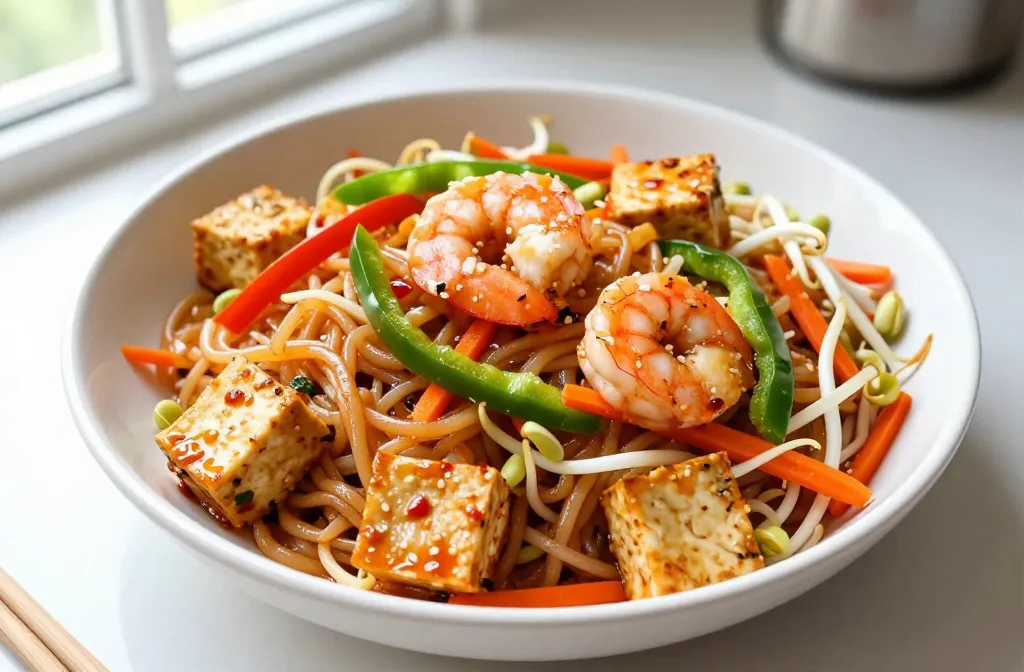
I’m not here to pretend macros are boring. If you want a plate that fights gnawing cravings while helping you lean out, gluten-free Pad Thai that’s high in protein and low in calories is your jam. Spoiler: it’s doable, delicious, and a heck of a lot easier than chasing down noodle substitutes that taste like cardboard.
Why this version rocks: clean eating, big flavor
You don’t have to choose between taste and health. This gluten-free Pad Thai uses tamarind for that tang, a proper protein punch from tofu or shrimp, and veggie-forward goodness to keep your energy steady. FYI, you can swap in chicken or tempeh if tofu isn’t your thing. The goal is a plate that feels indulgent but fits neatly into a clean-eating plan.
Base ingredients and swaps you’ll actually love
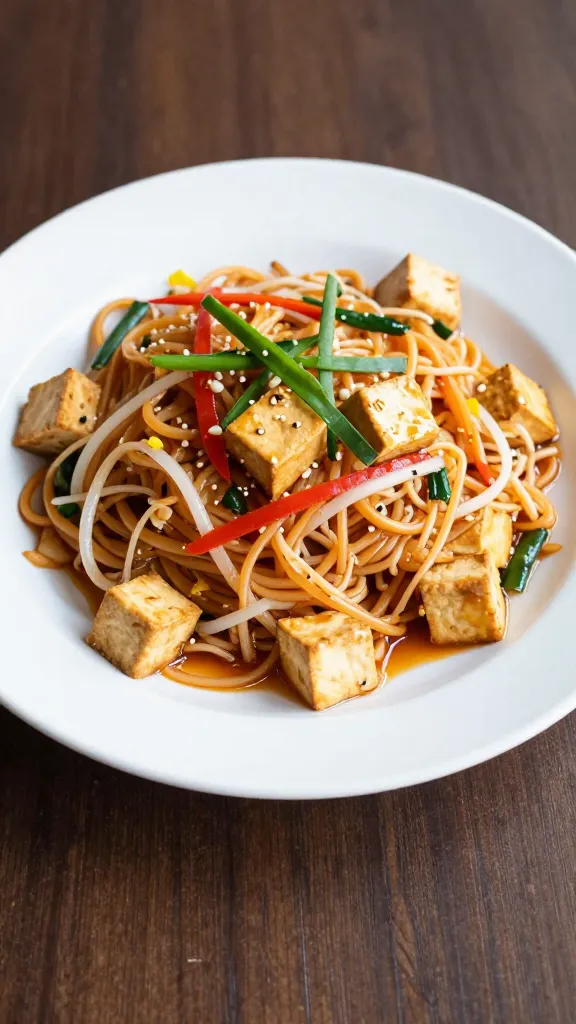
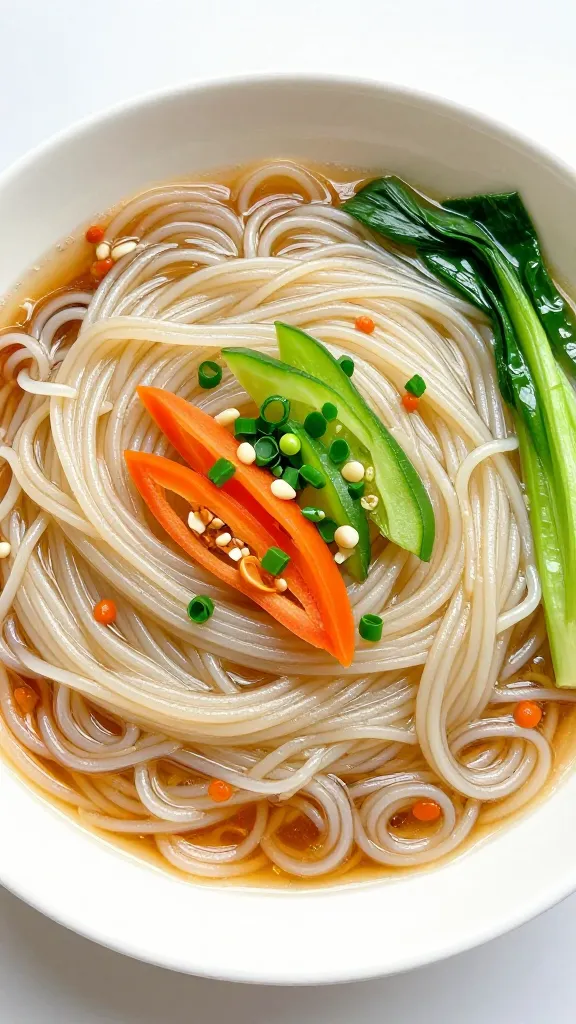
– Rice noodles vs. shirataki: Rice noodles give you texture that feels indulgent. Shirataki are ultra-low calorie but can be soggy; mix half-and-half if you’re unsure.
– Protein: Tofu offers plant-based magic, while shrimp or chicken raise the protein punch without puffing up calories.
– Vegetables: Bell peppers, carrots, and bean sprouts add crunch without piling on the calorie count.
– Sauce: A short, snappy sauce of tamarind, fish sauce or gluten-free soy, and a touch of maple or coconut sugar keeps it balanced.
Recipe blueprint: build-a-bowl basics
– Step 1: Soak or cook noodles according to package directions, but keep them al dente. No one wants mushy noodles that betray your effort.
– Step 2: Sauté your protein until lightly browned, then push to the side.
– Step 3: Add aromatics (garlic, shallots) and your veggie lineup. Stir-fry until crisp-tender.
– Step 4: Whisk the gluten-free sauce: tamarind, gluten-free soy, a splash of lime, and optional chili for heat.
– Step 5: Toss everything with the noodles, heat through, adjust seasoning, and serve with chopped peanuts and fresh cilantro.
Healthy-fying hacks: keep calories low, protein high
– Protein punch: Use extra-firm tofu pressed dry, or swap in shrimp. Aim for at least 20–30 grams of protein per serving if you’re pairing this post-workout.
– Veggie load: Add broccoli florets or snap peas for fiber and volume without many calories.
– Oil management: Keep oil to a teaspoon or less for stir-frying; you’ll still get glossy noodles without the greasiness.
– Garnish game: Nuts add crunch and protein, but measure a small handful to avoid sneaky calories creeping in.
Flavor boosters: achieving that restaurant-worthy balance
– Tamarind is the quiet superstar; it gives the tang you crave without relying on sugar.
– Fish sauce brings umami that won’t quit. If you’re vegan, swap for coconut aminos and a splash of lime juice.
– Sweetness comes from a measured drizzle of maple syrup or palm sugar. Start small; you can always add more.
– Spice factor: chili garlic sauce or red pepper flakes give heat without overpowering the dish.
Pro tips
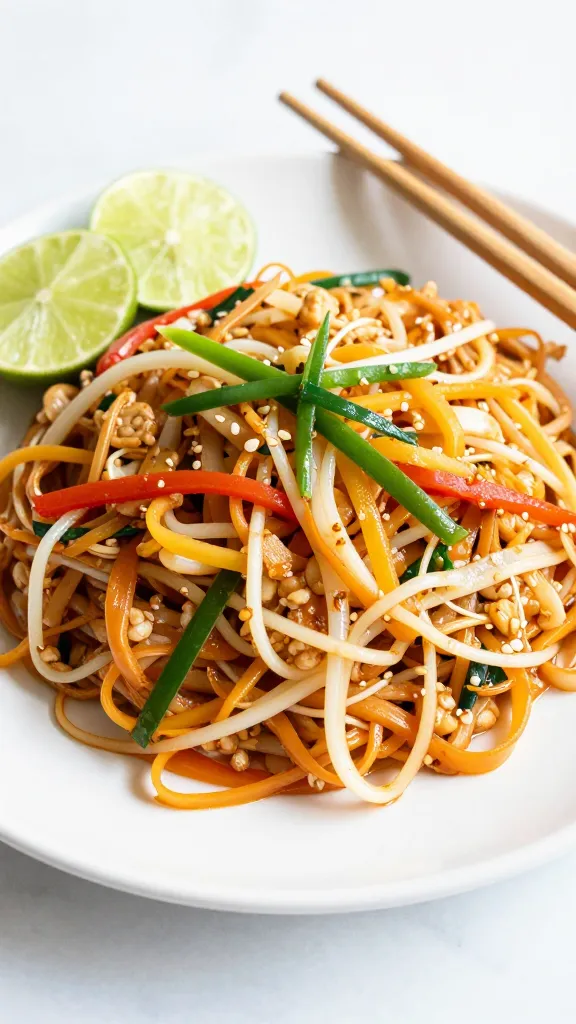
– Prep like a champ: Dice veggies and press tofu the night before. Your future self will thank you.
– Pan technique: Get the pan hot before you add protein for a quick sear. Don’t overcrowd; cook in batches if needed.
– Texture trick: Toss noodles in just before serving to keep them from soaking up sauce and turning sticky.
– Flavor layering: Add half the sauce during stir-fry and finish with the rest off the heat to avoid losing brightness.
Tips for best results
– Use lime zest in the sauce for an extra zing without adding sugar.
– If using tofu, press for at least 20 minutes and marinate briefly to boost flavor.
– For a lighter version, swap half the noodles for extra veggies.
Ingredient swaps
– Gluten-free noodles: rice noodles or buckwheat soba. If you’re celiac, verify gluten-free certification.
– Protein: chicken breast or edamame for a plant-forward option.
– Sauce: gluten-free soy, tamari, or coconut aminos; adjust salt accordingly.
Common mistakes to avoid
– Overcooking noodles: they’ll turn mushy and clog the plate with starch. Al dente is your friend.
– Skimping on protein: a plate that’s just noodles leaves you hungry fast.
– Too-sweet sauce: airplane-test it—sauce should sing, not scream sugar.
– Not tasting as you go: you’ll miss the delicate balance of sour, salty, sweet, and umami.
Common mistakes: quick fixes
– If sauce tastes bland, add a splash more tamarind or a dash of fish sauce.
– If noodles clump, rinse them briefly after cooking and pat dry before tossing with sauce.
– If heat drops, finish with a squeeze of lime and a pinch of chili flakes.
Variations: mix-and-match ideas that keep things fresh
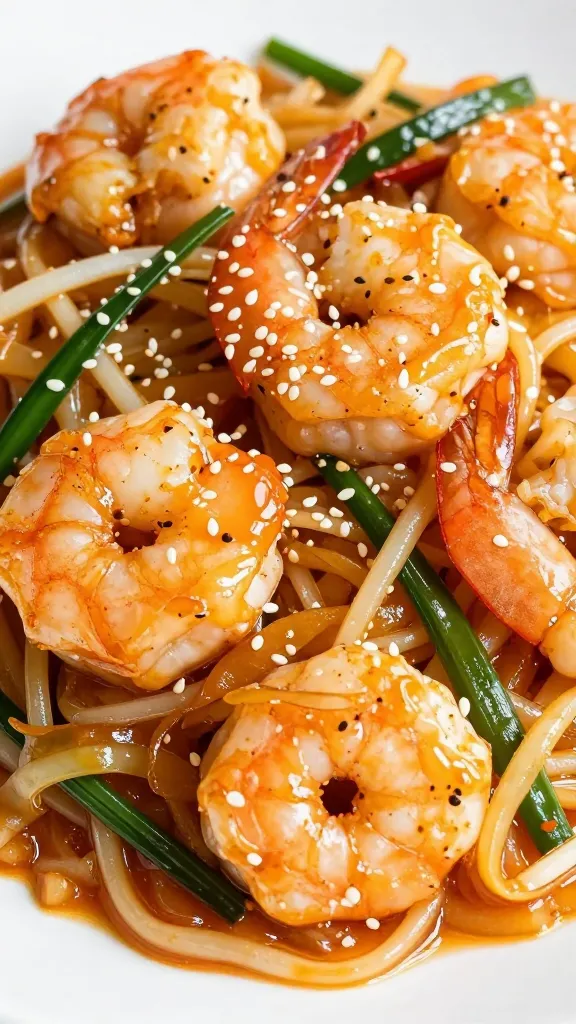
– <strongSpicy kick: add sliced jalapeño or a drizzle of chili oil to wake up the noodles.
– <strongCitrus twist: swap lime for yuzu or add a little orange zest for a bright field of flavor.
– <strongHerb lift: finish with Thai basil or cilantro for a fragrant finish.
– <strongCrunch factor: sprinkle with sesame seeds or crushed roasted peanuts.
Variations: protein and veggie combos
– Shrimp with snap peas and red peppers for a seafood twist.
– Tofu with mushrooms and bok choy for a fully plant-based version.
– Chicken with shredded carrots and bean sprouts for a classic take with extra protein.
FAQ: quick answers to common questions
– Is this gluten-free Pad Thai authentic? It’s a gluten-free take that respects the spirit of Pad Thai—bright, tangy, and satisfying. Authenticity is a vibe; this version is practical for clean eating.
– Can I make it ahead? Yes. Cook noodles and protein ahead, then reheat with fresh sauce. The veggies stay crispest when you stir-fry them fresh.
– How do I keep it low calorie but high protein? Use a plant-based protein like tofu, add more veggies, use a light sauce, and control oil. Easy tweaks add up.
– Do I need tamarind paste? It’s key for that tangy backbone. If you don’t have it, a splash of rice vinegar with a touch of sugar can mimic the brightness, but tamarind is the real flavor rocket.
Conclusion
If you want a plate that feels like a treat but behaves like a responsible adult diet, this gluten-free Pad Thai hits the sweet spot. It’s flexible, easy to customize, and forgiving enough for weeknights while still exciting enough for weekend meal-prep. So grab your gluten-free noodles, choose your protein, and squeeze in a lime—you’re about to dine like a foodie, not a statistic.