
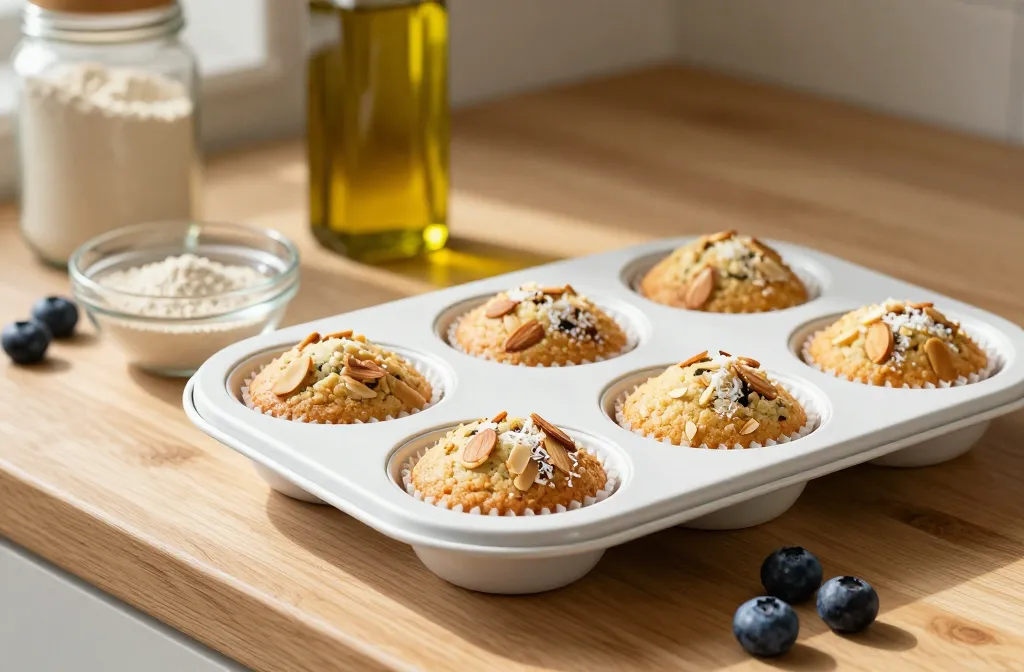
It’s possible to want muffins without the sugar crash and the gluten fallout. Enter gluten-free muffins for diabetics that are low carb and free of refined sugar. Yes, you can have soft, breakfast-ready muffins that won’t spike your blood sugar or cash in your energy at 10 a.m. Let’s bake without the guilt and the grainy aftertaste.
Why these muffins work for diabetics (and gluten-free folks who actually want flavor)
Gluten-free doesn’t automatically mean low carb, but it can mean lighter texture and better digestion for some. The trick is using low-carb flours and keeping sugar out of the mix. You’ll get muffins that stay moist, hold together, and taste like real treats instead of cardboard deserts. FYI, the goal here is steady energy, not a sugar rollercoaster.
Key ingredients that make a difference
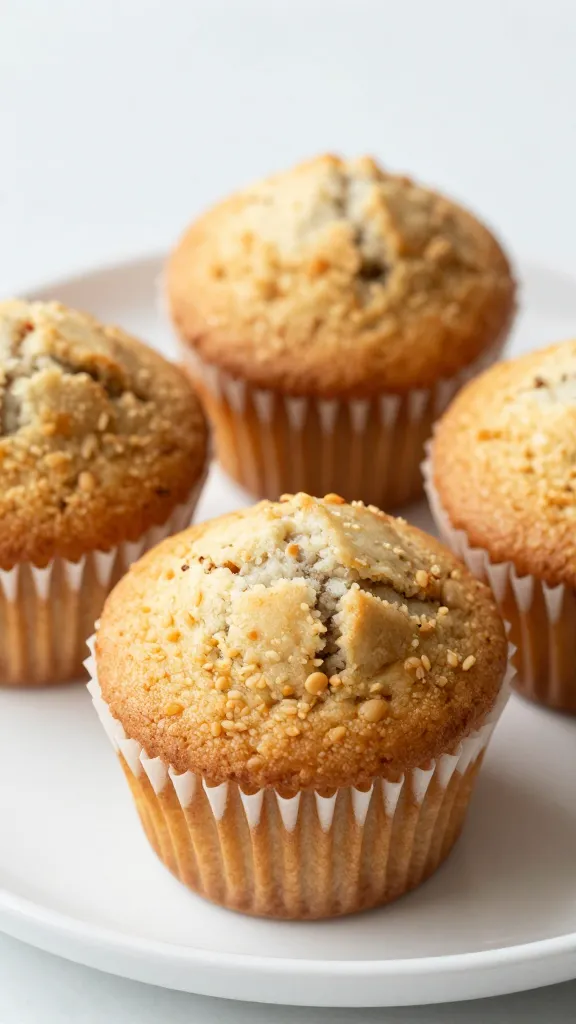
What goes into these muffins matters as much as what doesn’t. Here’s the short list of heroes:
- Low-carb flours: almond flour, coconut flour, or a blend. They bring nutty flavor and moisture without piling on carbs.
- Sugar substitutes (-smart choices): erythritol, xylitol, or a touch of monk fruit sweetener. Use sparingly and taste as you go.
- Protein lift: eggs or a protein powder to keep structure without gluten.
- Healthy fats: olive oil, melted coconut oil, or avocado oil for tenderness.
- Moisture and binding: unsweetened almond milk, mashed banana or applesauce in small amounts, and a pinch of xanthan gum if your flour blend needs it.
Texture tips: how to avoid crumbly or gummy muffins
Crumb problems lead to muffin abandonment. Try these quick wins:
- Balance flour and liquid. Too much almond flour dries things out; coconut flour soaks up moisture fast, so start with a 1:1 substitution ratio and adjust.
- Add a little fat for tenderness. A tablespoon or two of oil or melted butter keeps crumb soft.
- Don’t overmix. Stir until just combined to keep the crumb airy.
- Let the batter rest 5–10 minutes. It helps the flours hydrate and prevents dry bites.
Basic recipe framework you can customize
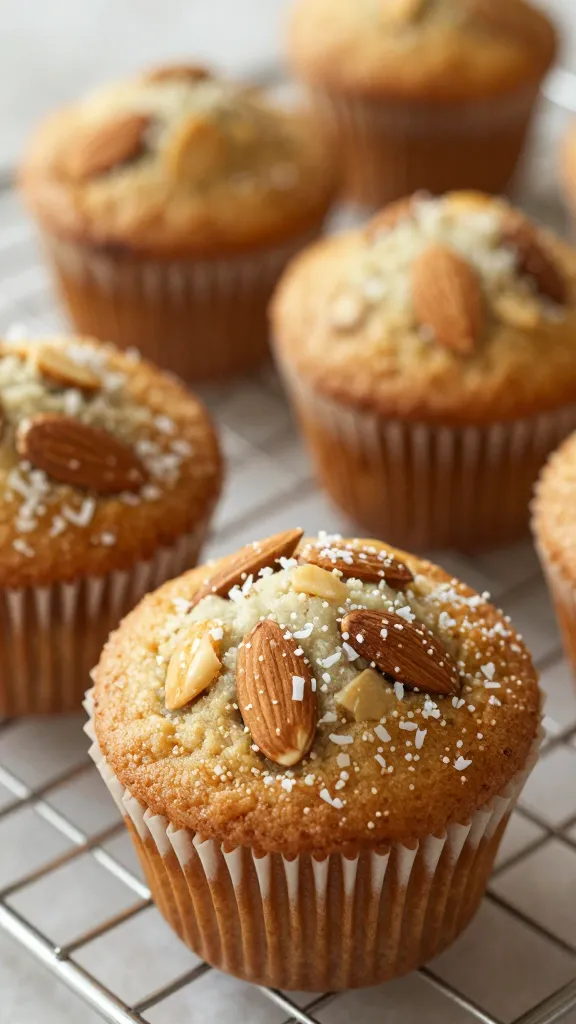
Here’s a reliable blueprint you can riff on. Mix and match flavors you love.
- 1 cup almond flour
- 2 tablespoons coconut flour
- 2 large eggs
- 1/4 cup unsweetened almond milk
- 2-3 tablespoons oil or melted butter
- 1/2 cup sugar substitute of choice
- 1 teaspoon baking powder (gluten-free)
- 1/4 teaspoon salt
- Flavor boosters: vanilla extract, cinnamon, lemon zest, or cocoa powder
Tips for best results
- Taste the batter before baking and adjust sweetness gradually. You’re aiming for a gentle sweetness, not dessert-level sugary.
- Fill muffin cups 2/3 full to give space for rising without domes collapsing.
- Let them cool a bit before biting. They firm up as they cool, reducing crumble on first bite.
Flavor ideas that actually taste like muffins
Want variety beyond the plain old vanilla? Try these combos:
- Blueberry-lemon with lemon zest and a handful of berries
- Cinnamon apple with diced apples and a sprinkle of cinnamon
- Chocolate almond with dark cocoa powder and chopped almonds
- Pumpkin spice with pumpkin purée and pumpkin pie spices
- Banana peanut butter with a touch of cinnamon
Ingredient swaps for dietary quirks
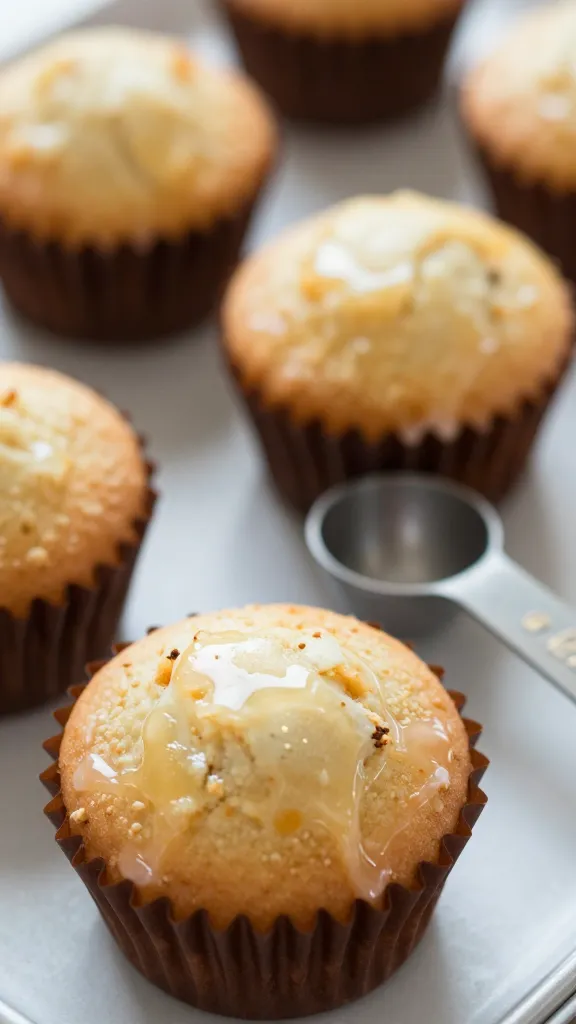
If you have preferences or allergies, here are safe swaps that still keep carbs down:
Substituting flours
- Swap 1:1 almond flour for a light crumb, or mix almond and coconut flour to balance moisture.
- Handle coconut flour carefully—start with half the amount and add more liquid as needed.
Sweetening the batter
- Start with 1/3 to 1/2 cup sugar substitute for a 1, 2, 3 sweet-to-sugar ratio. Tweak next time if needed.
- Use a touch of cinnamon or vanilla to boost perceived sweetness without extra sugar.
How to keep muffins moist
- Include a fat source and a liquid—this combination locks in moisture.
- Handle gently and don’t overbake. Check a minute or two early if your oven runs hot.
Pro tips
- Even oven isn’t magic: rotate pans halfway through to prevent uneven baking, especially with gluten-free batters.
- Storing: these muffins freeze well. Wrap individually and reheat for quick breakfasts.
- Meal prep: bake a batch on Sunday, portion for the week, and you’re good to go.
Common mistakes (and how to avoid them)
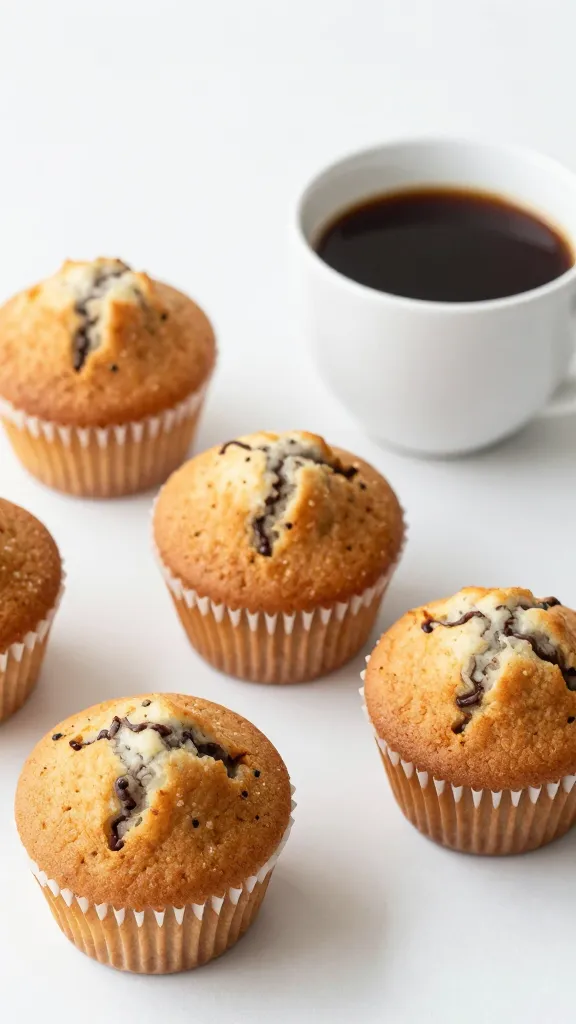
- Overloading with almond flour—moisture balance goes off. Stick to tested ratios and adjust with liquids if you add extras.
- Using sugar-heavy add-ins. Bananas or dates spike carbs and sugar a bit—use sparingly or choose low-sugar fruits like berries.
- Skipping leavening. Gluten-free batters need a little lift; don’t skip the baking powder or add too little.
Variations you can actually pull off on a school night
- Morning coffee crumble muffin: fold in chopped almonds and a caffeine-friendly cocoa nibs
- Lemon poppy with zest and a dash of poppy for crunch
- Peanut butter swirl: batter with a peanut butter ribbon for extra flavor
Comparison blocks: gluten-free low-carb muffin vibes
- <strongClassic gluten muffins (for contrast): wheat flour, sugar, dairy. Great texture, not great for gluten or blood sugar.
- <strongGluten-free low-carb muffins (this guide): almond/coconut flour, sugar substitutes, dairy or dairy-free options. Lower carbs, higher fiber, better glycemic response.
- <strongPeak texture muffins (the tricky middle): a blend that’s fluffy but holds together. Might need a touch more moisture or fat.
FAQ
Are these muffins actually diabetic-friendly? They’re designed to be low carb with no refined sugar, which helps keep blood sugar steadier. They’re not a universal cure-all, but they’re a solid everyday option when paired with balanced meals.
Can I make them dairy-free? Yes. Use dairy-free milk and a neutral oil like olive or coconut oil. Some people swap eggs for flax eggs to keep them vegan, but that can affect texture slightly.
Do I have to use almond flour? Not always. A mix of almond and coconut flour works well, but if you’re nut-free, look for oat flour or a gluten-free all-purpose blend designed for low carb—just check carb counts.
Conclusion
Gluten-free muffins that are low carb and sugar-free aren’t mythical unicorns. They’re practical, tasty, and friendly to a blood-sugar-friendly routine. With a few smart swaps and a bit of confidence, you can bake muffins that feel like a treat without tipping the scales. So grab your mixing bowl and start tinkering—your future self will thank you, and your gym playlist will probably thank you too for the steady energy. FYI, you’ve got this. Happy baking.