
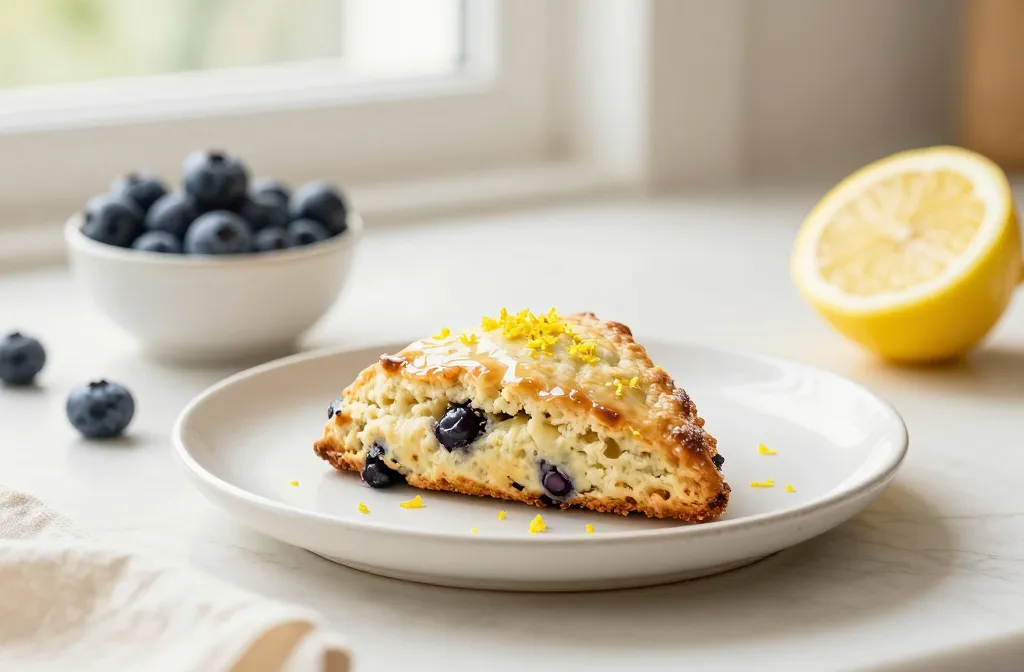
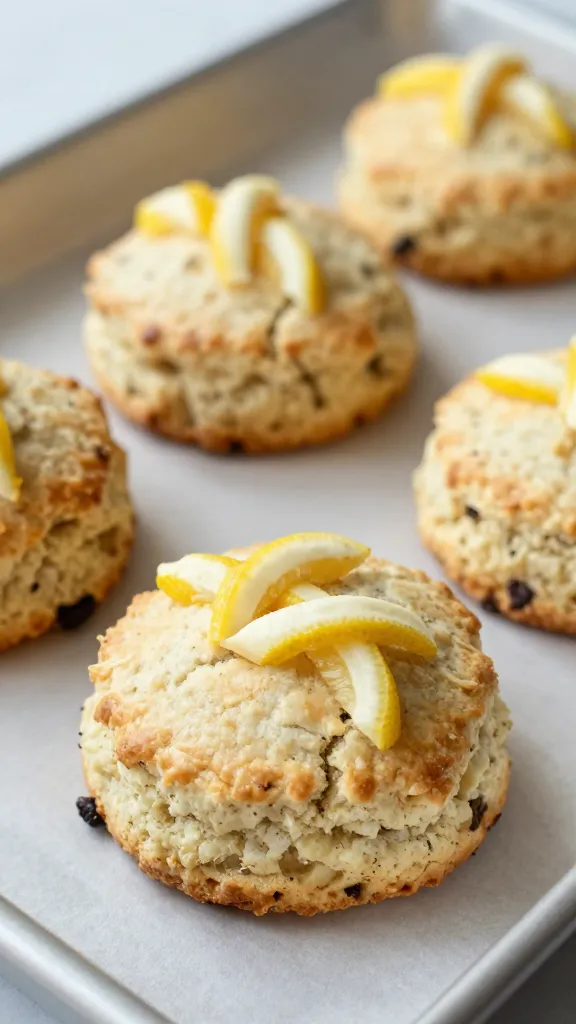
The moment you bite into a lemon blueberry scone, you know you’ve found your people: bright citrus, juicy berries, and a crumb that doesn’t crumble your life. Gluten-free doesn’t have to mean bland or dry—these lemon blueberry scones prove it. If you’re dairy-free, keto-adjacent, or just curious about gluten-free bakes that actually taste like victory, you’re in the right kitchen.
What makes a gluten-free lemon blueberry scone so good
Gluten-free flours can be tricky, but the right blend and technique deliver a tender, crumble-able bite that holds together. The lemon zest adds punch without bitterness, and blueberries burst with sweet-tart juice that keeps things lively. The magic comes from a light, buttery texture and a touch of sugar that caramelizes just enough. FYI, you don’t need to be a baking wizard to pull this off—just a little patience and a good plan.
Best flour blends and fats for texture
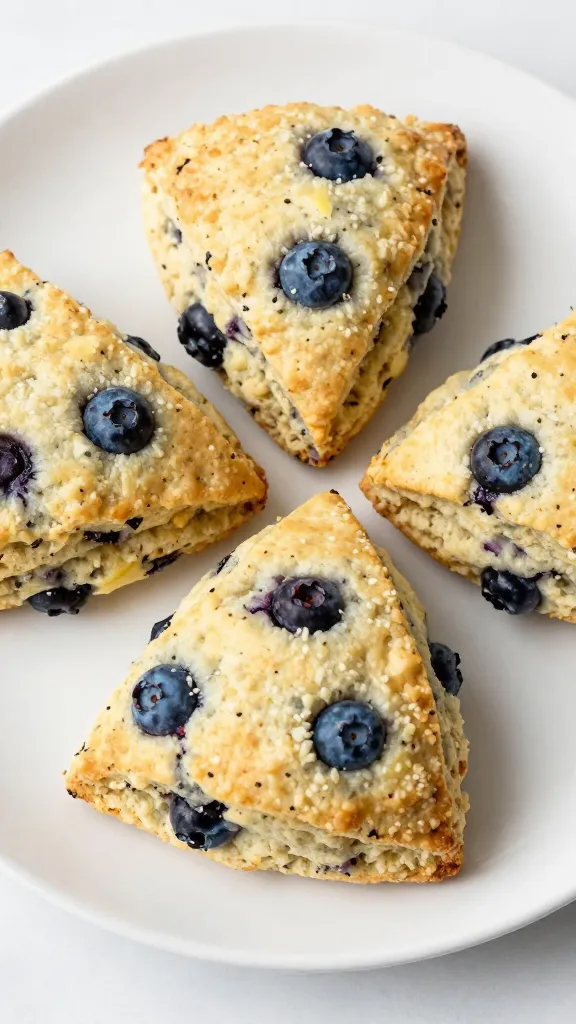
- Use a gluten-free all-purpose blend that contains xanthan gum or add a pinch yourself. This helps with structure and chew.
- Incorporate starches like cornstarch or tapioca to keep things tender and crumbly in the right way.
- Fat matters. Use cold butter or a dairy-free butter substitute. The little flecks of fat create that flaky, bakery-soft crumb.
Ingredient swaps you’ll actually want to try
- Instead of all butter, mix in ¼ cup extra-virgin olive oil for a subtler crumb and a punchier lemon aroma.
- Switch blueberries with raspberries or a mix for a slightly different zing. Or frozen blueberries work fine—just don’t thaw them completely to avoid color bleed.
- Trade half the sugar for honey or maple syrup for a floral note that pairs beautifully with lemon.
Step-by-step: from whisk to oven
Keep it simple and keep it cold. The moment you warm the fat, the scone loses its flake. Stay calm, stay cool, and press gently.
Tips for best results
- Chill your dough for at least 15 minutes before shaping. It helps the butter stay solid and your slices hold their shape.
- Don’t overwork the dough. Turn it out, pat into a circle, and cut into wedges. A light touch = a lighter crumb.
- Brush a little dairy-free milk on top for a glossy finish and extra sheen. It’s like a tiny hat for your scones.
Common mistakes and how to dodge them
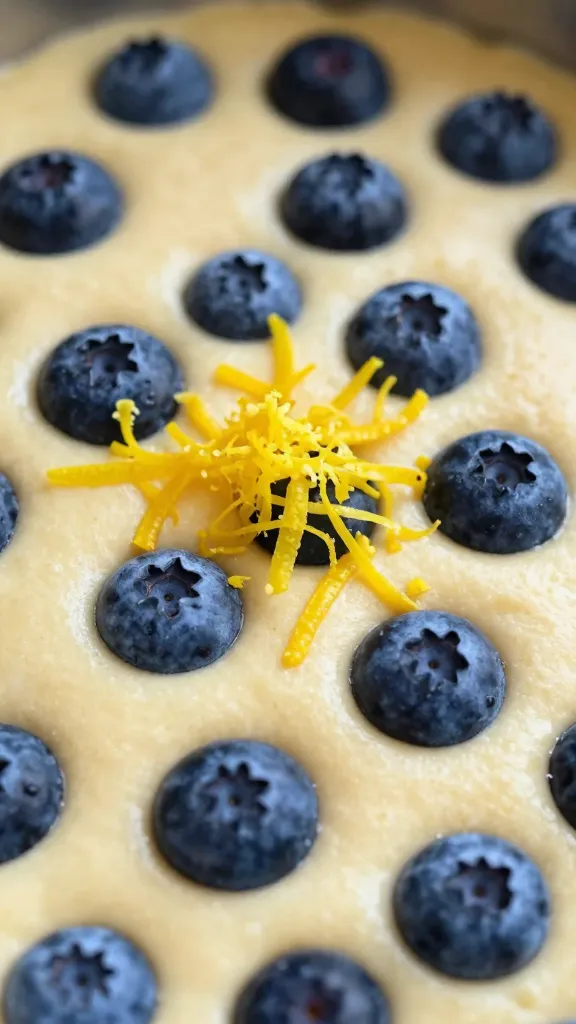
Gluten-free baking has its quirks. Here are the hiccups I’ve seen and how to avoid them.
- Overmixing: creates dense scones. Keep mixing to just until the dough comes together.
- Too much liquid: your dough becomes sticky, and that’s not the vibe we’re after. Add liquid gradually.
- Not chilling: warm dough runs when cut. Cold dough keeps clean, elegant edges.
Pro tips to lean into the lemony glory
- Grate the lemon zest before juicing; zest gives so much aroma with zero bitterness.
- Use a touch of lemon juice in the dough for a brighter bite and a pop of tang as you bite through.
- Sprinkle a pinch of flaky salt on top just before baking for a high-fashion contrast that tastes amazing.
Variations: making it your signature scone
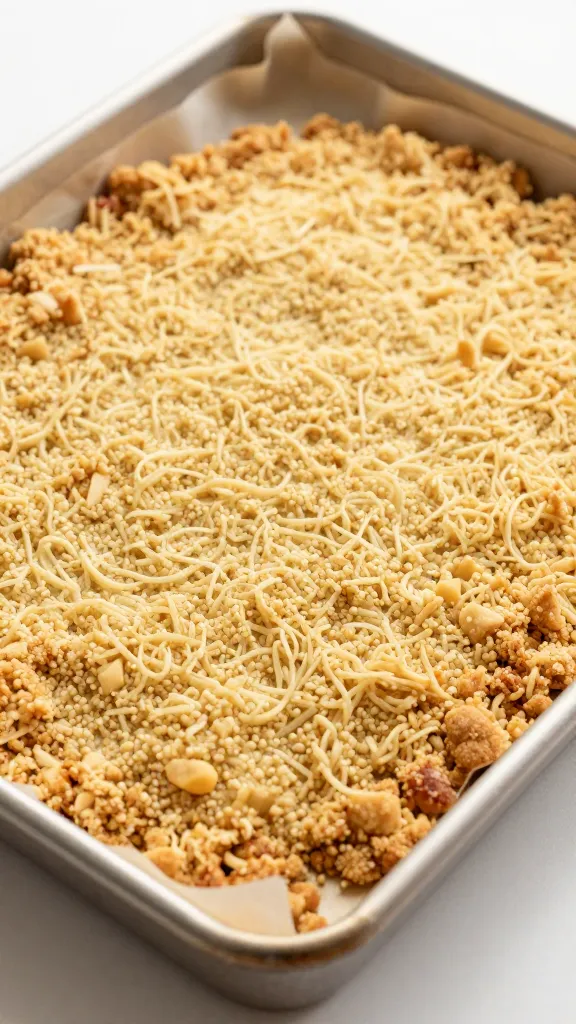
Once you’ve nailed the base, you can riff with confidence. Here are a few ideas to mix into your gluten-free repertoire.
- Brown butter lemon blueberry scones: use brown butter for a toasty, nutty note.
- Coconut-lime twist: swap lemon for lime, add a tablespoon of coconut sugar, and fold in shredded coconut.
- Berry burst: use a mix of blueberries and blackberries for a vibrant, color-rich bite.
Ingredient swaps
- Dairy-free butter alternatives: try a neutral-tavored margarine or coconut oil for a different crumb and flavor.
- Sweeteners: maple sugar or coconut sugar can change the depth—go with what your pantry has.
- Liquid flavor boosters: a splash of vanilla or almond extract can elevate the lemon and berries.
Comparison blocks: gluten-free lemon blueberry scone vs. classic gluten version
Texture and crumb
Gluten-free: tender, crumbly, with a delicate bite. Classic gluten: a bit flakier and more resilient, but the gluten-free version still shines when you treat it right.
Flavor profile
Both deliver citrus brightness and berry sweetness, but the gluten-free version relies more on fat and zest for depth rather than gluten’s bite to carry flavor.
Ingredient complexity
Gluten-free scones can be simpler (one blend, careful handling) or more complex (multiple flours, starches). Either way, you control the taste and texture with your choices.
FAQ
Is gluten-free flour necessary? Not always. A good gluten-free all-purpose blend with xanthan gum works for most folks. If you’re sensitive, it’s your best friend in this recipe.
Can I freeze the scones? Absolutely. Bake them halfway, cool, then freeze. Finish baking from frozen for fresh-out-of-the-oven vibes.
What if the dough is too dry? Add a teaspoon at a time of dairy-free milk until it just comes together. You want a cohesive dough, not paste.
How long do they stay fresh? About 2-3 days at room temperature in a sealed container. For longer, refrigerate or freeze.
Pro tips
Extra little nuggets to keep in your back pocket for peak scone results.
- Chill everything: dough, bowl, and even your hands. The cold keeps butter intact and creates flakiness.
- Use frozen berries to prevent them from bleeding color into the dough. Toss them in a tablespoon of gluten-free flour before folding to reduce color bleed.
- Make a lemon glaze: lemon powder or a mix of powdered sugar and lemon juice brushed on top after baking adds a glossy finish.
Conclusion
Gluten-free lemon blueberry scones aren’t just a workaround—they’re a celebration. Bright lemon, juicy berries, and a crumb that begs for a second bite make these scones a keeper. Mix, bake, devour, repeat. IMO, you’ve earned it.