
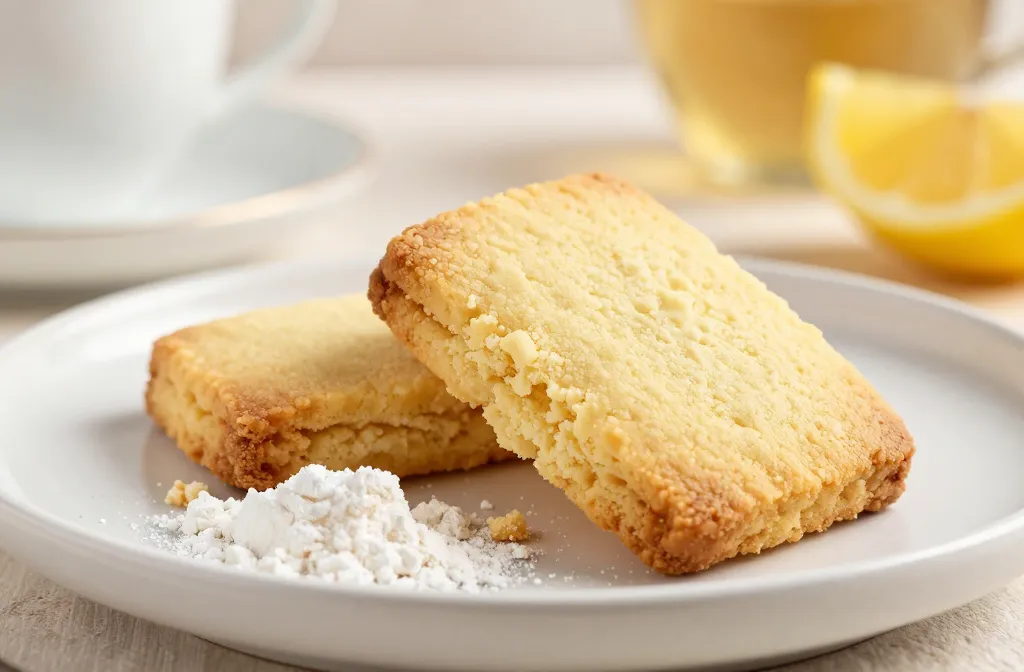
It only takes a few simple ingredients to turn a weekend craving into a proper little slice of British comfort. Easy gluten-free shortbread is here to prove that you don’t need gluten to get that melt-in-your-mouth, crumbly texture you dream about. Ready to bake something that’ll disappear faster than you can say “tea and scones”? Let’s do this.
Why gluten-free shortbread is a big deal
Shortbread has always been the crunchy, buttery sidekick to a cuppa. When you remove gluten, you’re not sacrificing flavor—you’re trading in the structure for a tender, sandy vibe that still holds together beautifully. FYI, texture is king here: you want a delicate crisp and a pale, sandy interior, not a rock-hard biscuit. This version nails both, without making you chase elusive ingredients.
What you’ll need: simple pantry staples
– Butter (unsalted, room temperature) for that classic, rich mouthfeel
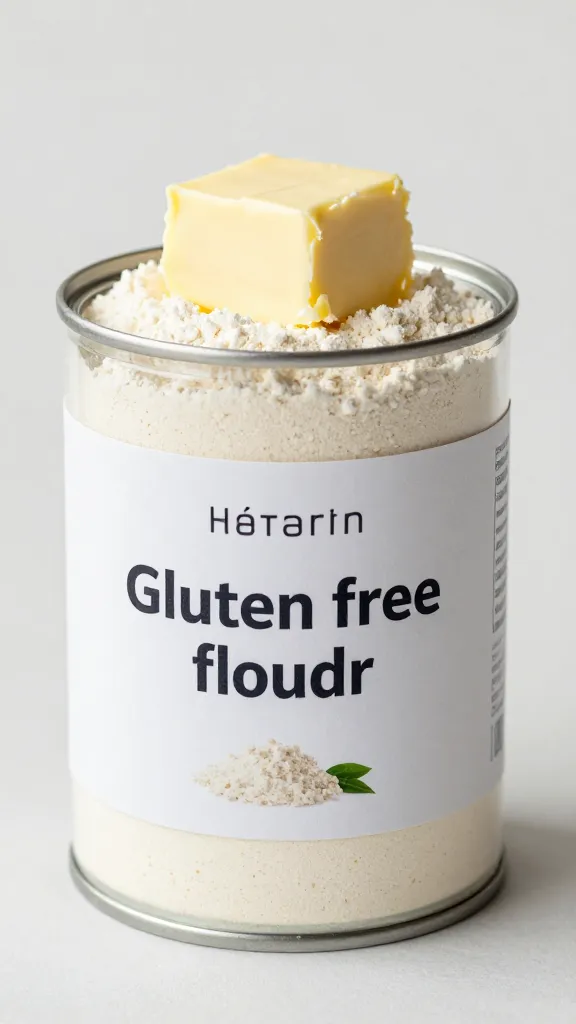
– Gluten-free flour blend with some starch in the mix (tapioca or potato starch works wonders)
– Sugar (caster or superfine to keep things smooth)
– Salt to balance sweetness
– Optional: a pinch of vanilla or a hint of lemon zest for zing
– A little cornflour or cornstarch helps the shortbread stay tender
If you’re new to gluten-free blends, don’t stress. The key is a blend that includes some starches to mimic gluten’s stretch. If your pantry is a bit sparse, I’ll share swaps below so you’re never stuck.
Step-by-step: the easy method that actually works
1. Cream butter and sugar together until pale and fluffy. This takes a couple of minutes, not a lifetime.
2. Beat in vanilla (if using), then stir in your dry mix until the dough just comes together.
3. Shape into a log or press into a shallow pan. The goal is a uniform thickness, so it bakes evenly.
4. Score the dough lightly with a knife to make clean slices after baking.
5. Bake until the edges are pale golden and the middle is just set. Don’t overbake—we want crumbly, not crunchy.
6. Let cool briefly, then slice and separate the cookies. Dust with a little extra sugar if you’re feeling fancy.
Tips for best results:
– Keep the butter at room temp. Too cold and you’ll fight the dough; too warm and it spreads too much.
– If your dough feels crumbly, add a teaspoon of cold water or milk and mix just until it comes together.
– Chill the dough for 20–30 minutes if you’re worried about spreading too much in the oven.
Common mistakes and how to dodge them
Overworking the dough
– You don’t want elastic, stretchy dough here. Gentle mixing keeps the shortbread tender.
Under-baking or over-baking
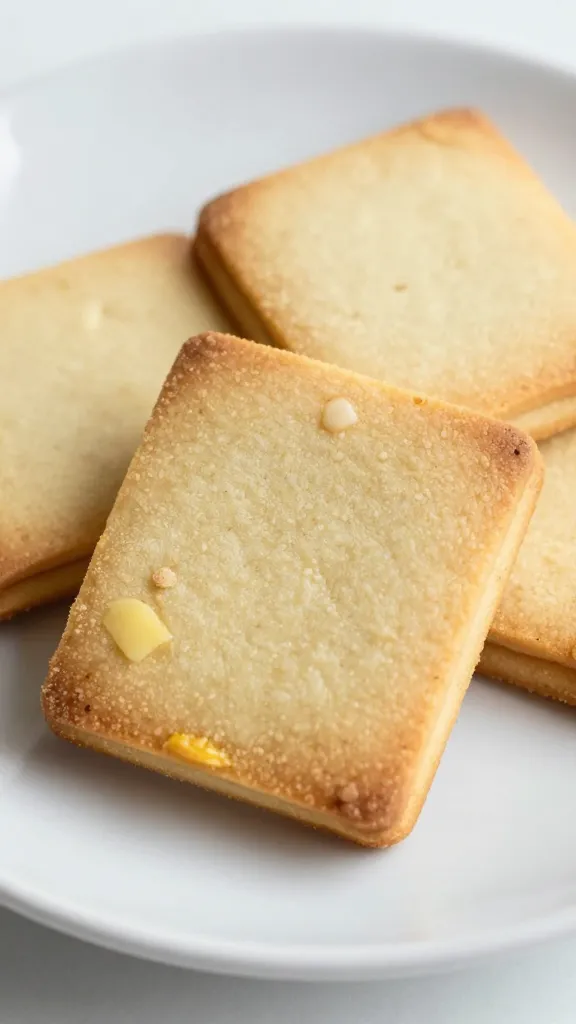
– The look is pale, not golden-brown. If you see deep browning, you’ve pushed it too far.
Using a flour blend that’s too heavy
– If your mix contains lots of rice flour or gritty bits, texture can go off. Aim for a blend with some starch to get that melt-in-the-mouth feel.
Variations to try when you want a little something extra
Classic vanilla shortbread
– The simplest and most foolproof. Beat in 1 teaspoon vanilla extract with the butter.
Lemon zest lift
– Add 1 teaspoon finely grated lemon zest for a bright, zippy note that pairs perfectly with tea.
Chocolate chip mini-breaks
– Fold in a handful of gluten-free chocolate chips for a playful twist. Don’t overmix; you still want that crumble.
Rosewater or almond twist
– A drop of rosewater or a pinch of almond extract can give you a boutique baker vibe without extra fuss.
Pro tips
– Chill game strong: chilling the dough makes slicing easier and keeps your shapes tidy.
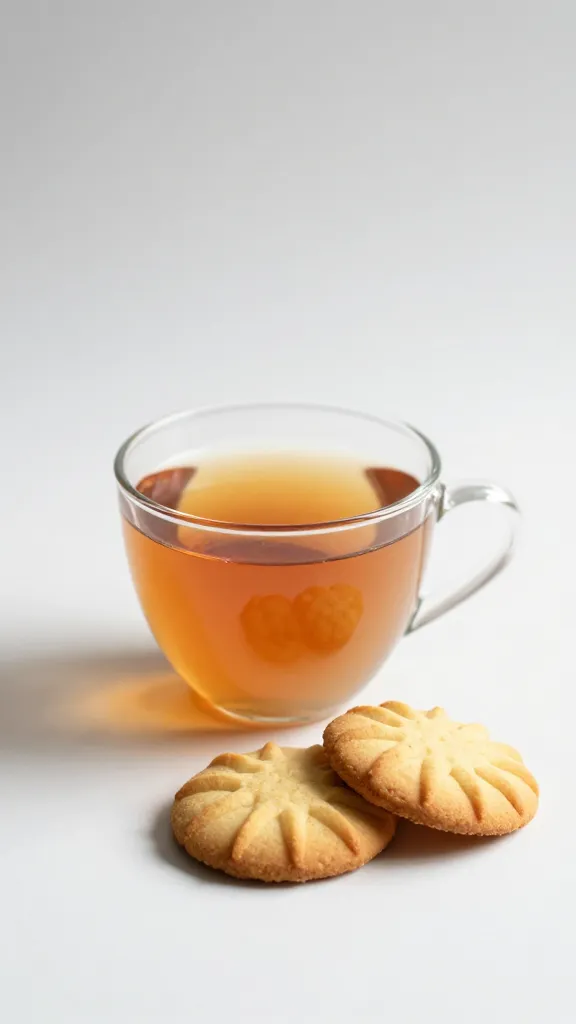
– Shaping options: roll into a log and slice or press into a parchment-lined pan and cut into rectangles after baking. Choose your vibe.
– Texture tuning: want extra crumble? Add a tablespoon more of starch. Want a tad sturdier cookie? Use less starch or a touch more butter.
– Storage: keep in an airtight container at room temp for up to a week, or freeze baked cookies for months. FYI, they freeze beautifully.
Ingredient swaps you’ll thank me for
- Butter: you can use salted butter if you adjust the salt in the dough, but unsalted is my default for consistent flavor.
- Flour blend: if you’ve got a rice- and starch-based blend that’s been stubborn, mix in a couple of tablespoons of cornstarch to soften the bite.
- Sugar: caster sugar melts nicely into the dough; superfine works too. If you’re all about depth, a touch of brown sugar adds a subtle caramel note.
- Flavorings: swap vanilla for lemon, almond, or a tiny splash of orange blossom water for a fragrant batch.
FAQ
What gluten-free flour blend should I use? A blend with at least some starch (cornstarch, potato starch, or tapioca) gives the crumb the right melt. If you only have a heavy blend, your cookies may taste fine but feel a bit dense.
Can I cut these into shapes? Yes. Roll the dough between two sheets of parchment to about 1/4 inch thick, chill, then cut with cookie cutters. They’ll hold shape nicely with a bit of butter helping the structure.
Why do they crumble so easily? Shortbread is supposed to be crumbly. If yours crumble too much, try adding a tablespoon of water or a touch more butter to bring the dough together, then chill again before slicing.
Can I make this dairy-free? Swap butter for a solid dairy-free margarine or coconut oil blend. The texture shifts slightly, but you can still get a lovely shortbread with careful chilling.
How should I store leftovers? In an airtight container at room temperature, away from moisture. They stay nice for about a week, depending on humidity.
TL;DR quick reference
– Use a gluten-free flour blend with some starch for that crumbly texture.
– Cream butter and sugar, mix in dry ingredients just until it comes together.
– Chill, slice, bake until pale gold.
– Don’t overwork the dough, don’t overbake, and you’ll get perfect, melt-in-your-mouth shortbread.
Comparison blocks: classic vs gluten-free
Texture
– Classic: crisp, sandy, buttery crumb.
– Gluten-free: tender and crumbly with a melt-in-your-mouth finish thanks to starches.
Flavor
– Both ride on buttery, not overly sweet profiles. Vanilla or citrus notes can shine in both.
Ease of prep
– Similar steps, but gluten-free blends may require a touch more handling to bring dough together.
Conclusion
If you’re craving comfort without the gluten, easy gluten-free British shortbread is your new go-to. It’s simple, reliable, and really shows off butter and sugar in the best possible way. No frills, just perfect little bites to dunk in tea and share with friends who pretend they don’t sneak extra biscuits at every gathering. IMO, this is the kind of bake that earns you serious brownie points (or should I say shortbread points?). Give it a go, and you’ll likely hear you’ve just unlocked a new weeknight dessert tradition.