
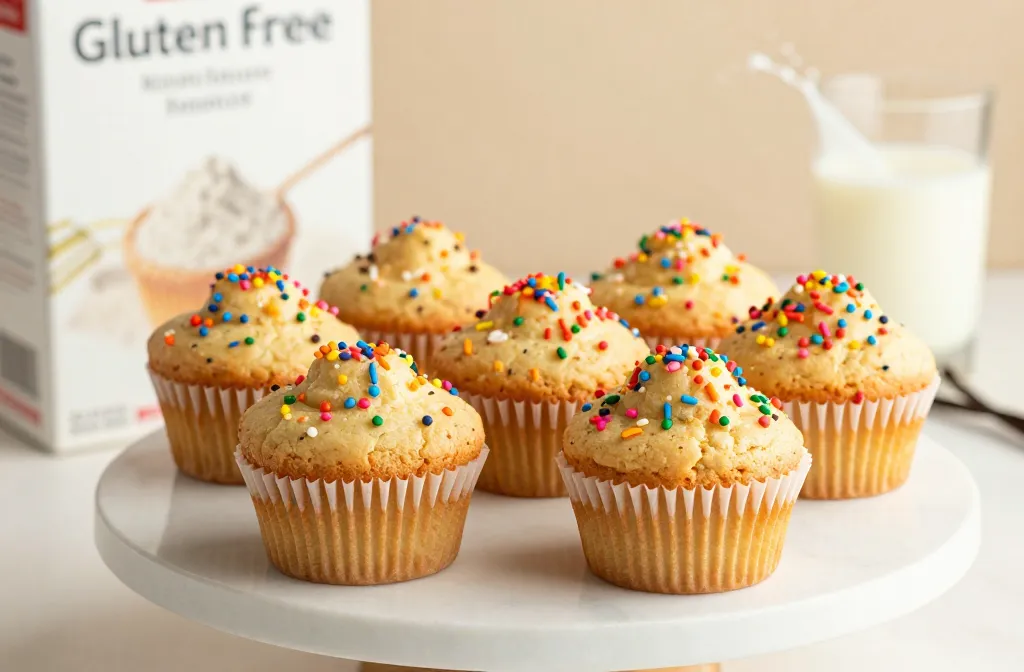
Let’s be honest: gluten-free cupcakes that taste like a party in your mouth exist, and they don’t require a pastry chef level of skill. If you’ve been yearning for bright, vanilla-scented confetti with a tender crumb, you’re in the right place. Grab a whisk, a mixer if you have one, and let’s bake joy.
Why gluten-free funfetti cupcakes can actually taste better than the box
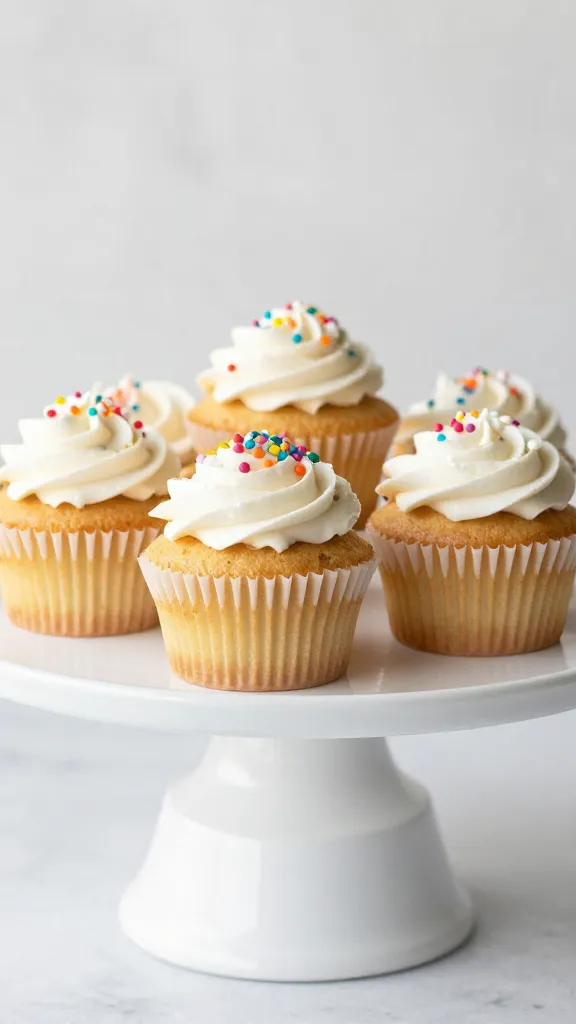
There’s no mystery here: gluten-free baking isn’t about imitation—it’s about balance. When you use the right blend, you get a light, airy crumb that chips away at the party mood without the heaviness. These cupcakes are all about texture, flavor, and that smash-you-in-the-face color burst from the sprinkles. FYI, you don’t need to reinvent the wheel; you just need the right flour mix and a few clever tweaks.
What you’ll need: staple ingredients that work every time
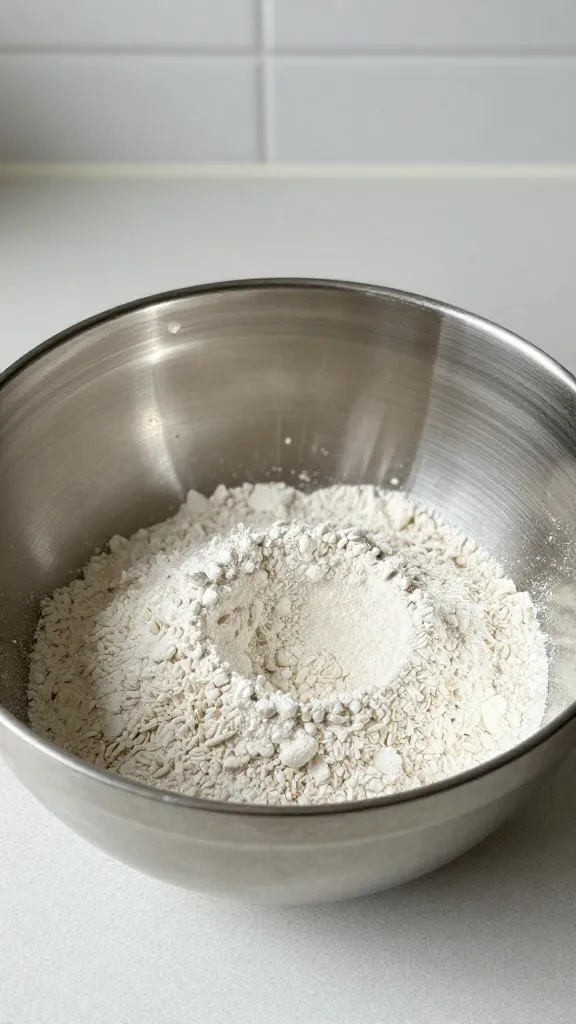
- Gluten-free all-purpose flour blend (look for blends with xanthan gum already included by default or add 1/4 teaspoon per cup if yours doesn’t have it)
- Buttermilk or dairy-free buttermilk for that tang and tenderness
- Eggs for structure
- Sugar (regular or coconut sugar for a deeper flavor)
- Butter or a neutral oil for moisture
- Vanilla extract and a pinch of salt to keep things bright
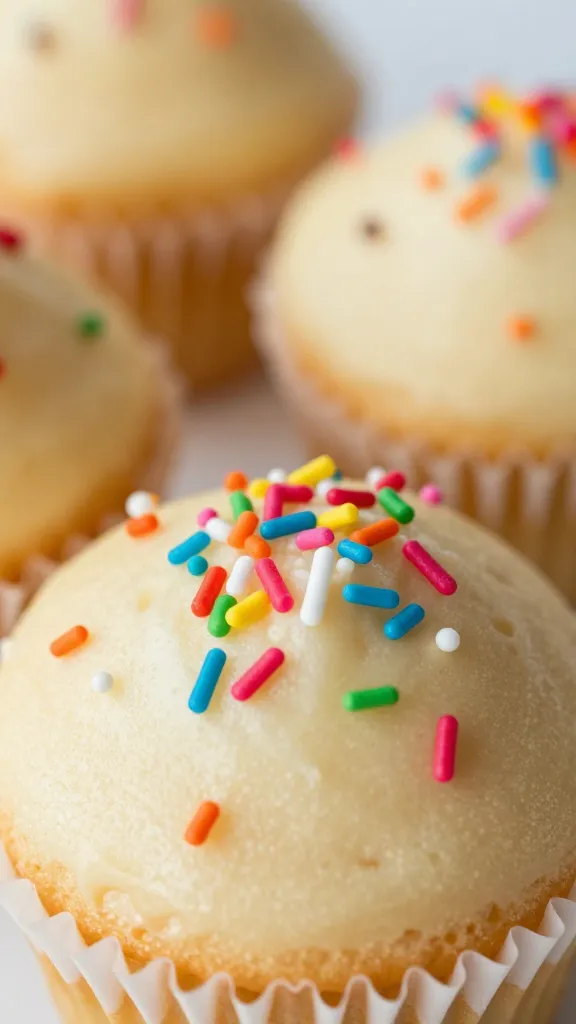
Funfetti sprinkles (make sure they’re gluten-free—they exist, I promise)
Flavor and texture: nailing the crumb without the gluten
– Use room-temperature ingredients so they emulsify nicely and trap air. Cold ingredients can fight with you and make dense cupcakes.
– Don’t overmix. Stop as soon as the batter comes together; gluten-free batters can go from fluffy to rubbery if you keep whisking.
– The fat-to-flour ratio matters. If your batter seems slack, a tablespoon or two more flour will fix it. If it’s too stiff, a splash of milk or buttermilk loosens it up.
Tips for best results
- Whisk the dry ingredients separately, then fold into the wet to keep air bubbles intact.
- Rest the batter 10–15 minutes before scooping. It helps hydrate the flour and yields a nicer crumb.
- Fill cups 2/3 full. You want a crown—not a volcano that splits.
How to mix in the confetti without the burnout
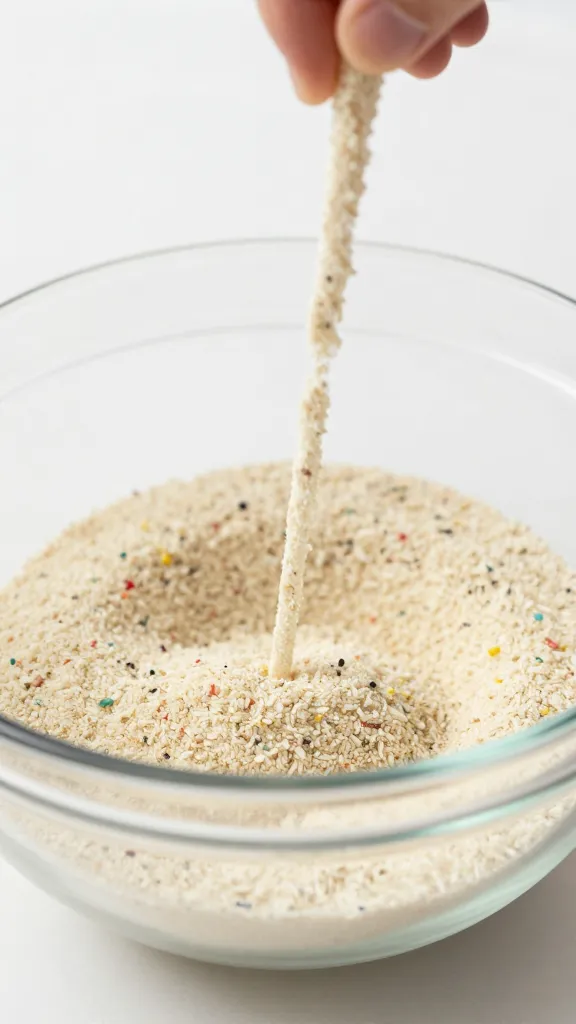
It’s all about measuring sprinkles evenly and not overdoing it. Too many confetti sprinkles can weigh the batter down and clump on top.
Ingredient swaps that actually work
- Non-dairy milk works fine in equal measure to dairy milk; just keep an eye on the acidity if your recipe uses yogurt.
- Oil instead of butter will give you a lighter crumb; use the same amount as butter in most cases, but you may need to adjust slightly for moisture.
- Granulated sugar can be swapped 1:1 with light brown sugar for a touch of caramel flavor, but it may affect texture slightly. Try if you’re feeling fancy.
- Feel free to swap vanilla for almond extract in small amounts if you’re into that marzipan vibe—just don’t overdo it.
Creaming vs. one-bowl: which method makes fluffier cupcakes?
Traditionally, creaming butter and sugar creates air pockets that become the cupcake’s lift. But gluten-free flours can ruin that airiness if you overwork the batter. A hybrid approach works well: whisk the butter and sugar until light and fluffy, then add eggs one at a time, alternating with dry and wet ingredients. It’s the Goldilocks method: not too much, not too little—just right.
Pro tips
- Beat butter and sugar for 2–3 minutes on medium until pale and fluffy.
- Temper eggs: add a spoonful of flour and liquid to the eggs before adding them all at once to avoid curdling.
- Finally, fold in sprinkles last to preserve color and texture.
Frosting that sings with gluten-free cupcakes
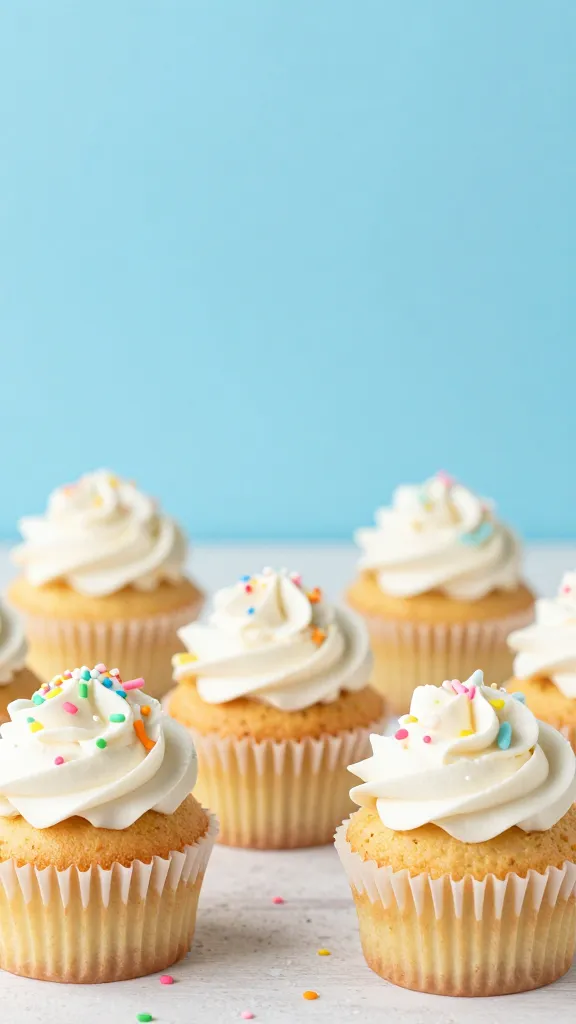
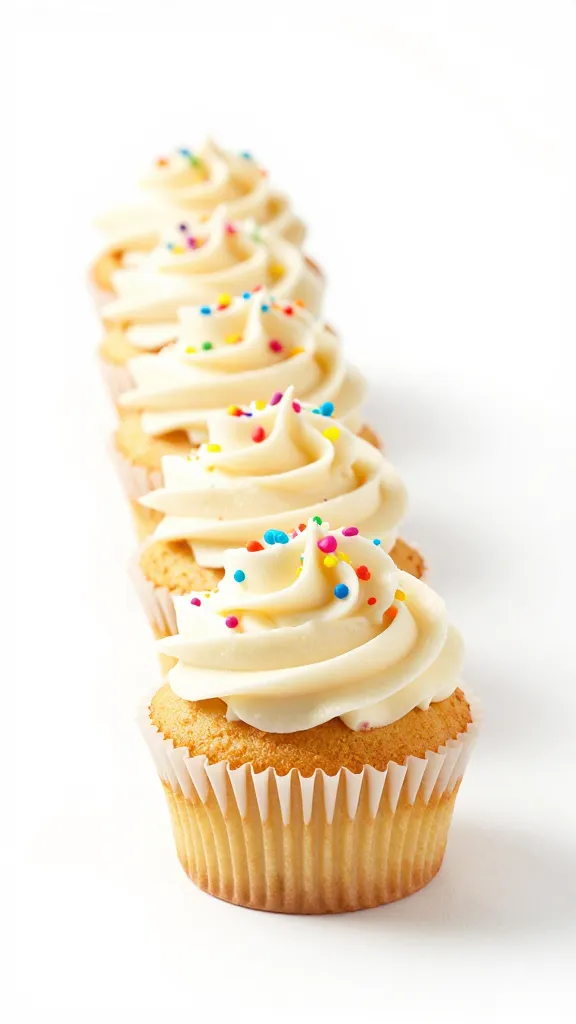
Gluten-free cupcakes deserve a frosting that doesn’t weigh them down. A light buttercream or cream cheese frosting pairs perfectly with the tender crumb.
Comparison blocks
Buttercream vs. Cream Cheese
– Buttercream: Classic, silky, and super forgiving. Great with vanilla, lemon, or funfetti flavors. Rich but not heavy.
– Cream cheese: Tangy and luscious. Awesome for vanilla and strawberry hints, but keep it slightly softened to avoid cracking.
Frosting tips
- Beat butter until pale, then add powdered sugar in batches to avoid a sugar avalanche.
- Add a splash of vanilla and a pinch of salt to keep frosting from tasting flat.
- If frosting seems too thick, loosen with a teaspoon of milk or dairy-free milk.
Common mistakes and how to avoid them
– Mistake: Overmixing the batter. Fix: Gentle folds only after dry and wet ingredients come together.
– Mistake: Dry cupcakes. Fix: Slightly underfill and bake just until a toothpick comes out clean.
– Mistake: Dense texture. Fix: Use an appropriate gluten-free flour blend, don’t skip the xanthan gum unless your blend already includes it, and don’t overcompensate with extra leavening.
FAQ: answers in one bite
Q: Can I make gluten-free funfetti cupcakes ahead? A: Absolutely. Bake and cool completely, then store in an airtight container at room temperature for up to two days or freeze for up to three months. Frost when ready to serve.
Q: Are there egg-free versions? A: Yes. Use an egg replacer or a flaxseed mixture (1 tablespoon flaxseed + 3 tablespoons water per egg) and increase moisture with a little extra buttermilk or a plant-based milk.
Q: How do I keep sprinkles from bleeding color? A: Use sugar sprinkles that are labeled gluten-free and avoid wet frosting right away—give it a minute to set if you can.
Variations: funfetti with a twist
- Lemon Funfetti: Add lemon zest and a touch of lemon juice to the batter, swap vanilla for lemon extract, and crown with lemon buttercream.
- Birthday Banana Funfetti: Mash a ripe banana into the wet ingredients for a sweet, moist twist and top with peanut butter frosting.
- Brown Butter Funfetti: Use brown butter for a toasty caramel note that elevates the party vibe.
How to store and serve
– Store baked cupcakes in an airtight container at room temperature for up to 2 days, or refrigerate for up to 4 days. Bring to room temperature before frosting for best texture.
– For a party, DIY mini-funfetti: bake in mini muffin tins for bite-sized joy that disappears fast.
– Want extra punch? Add a pinch of edible glitter for a party-ready look (just a pinch—glitter is optional but fun).
Conclusion
Gluten-free funfetti cupcakes aren’t just a workaround; they’re a celebration of texture, color, and irresistible flavor. With the right blend, a careful whisk, and a little patience, you’ll have cupcakes that taste like sunshine and sprinkles. So whether you’re baking for a crowd or just treating yourself, these cupcakes prove that gluten-free can be one big, joyous cake pop of happiness. Enjoy the bake, share the smiles, and don’t forget to lick the spoon—no judgment here.