
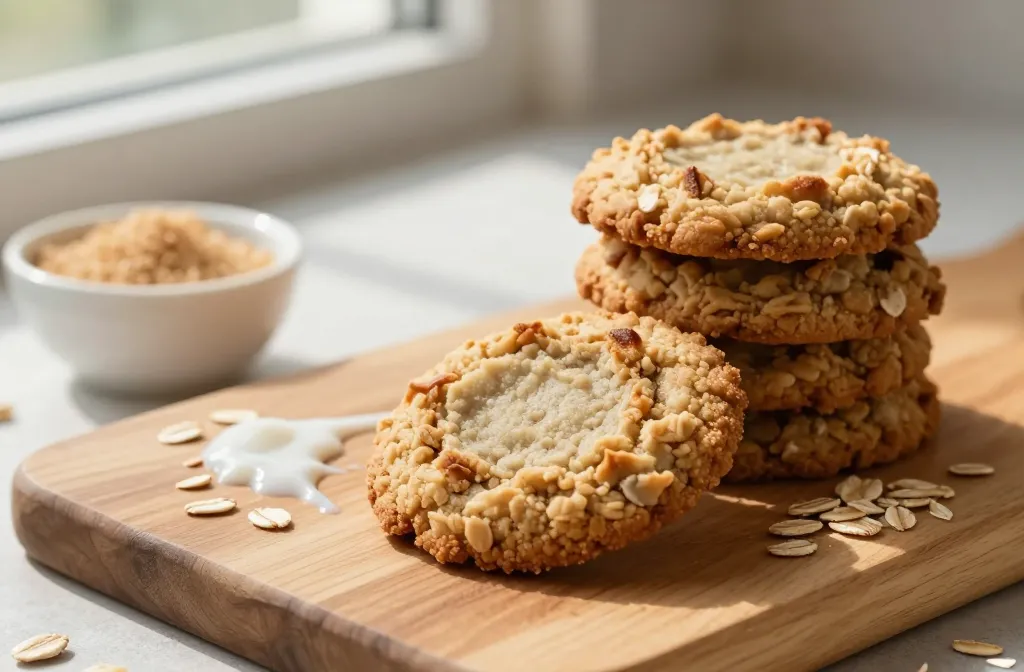
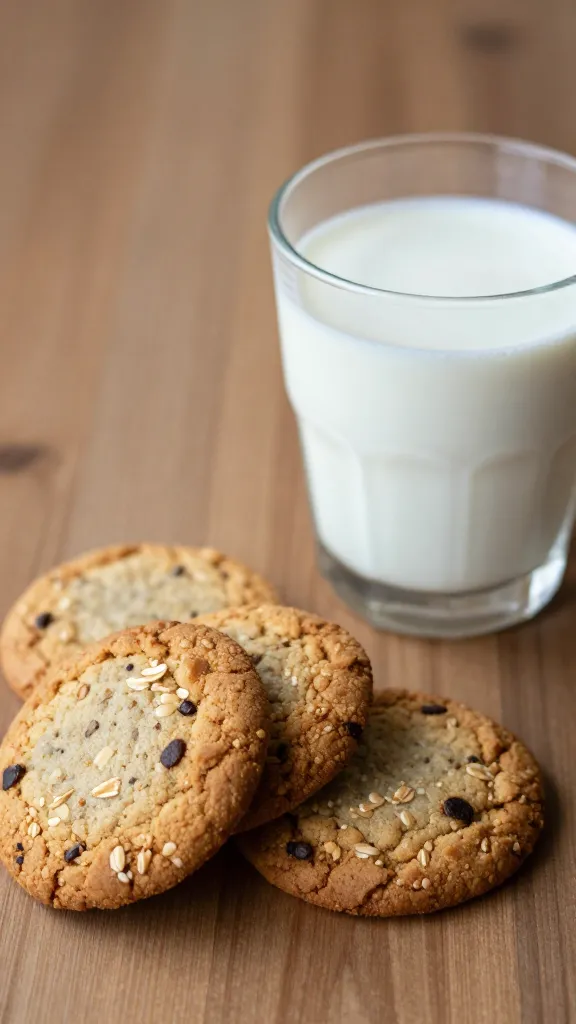
I’m not sugar-coating this: these gluten-free oatmeal cookies are the kind that make people do a double-take. No added sugar, yet somehow sweet and cozy enough to bake your afternoon smile back. They’ll keep your blood sugar steady and your snack-time vibes on point. Ready to bake without the crash?
What makes these gluten-free oatmeal cookies different
You probably assume cookies = sugar crash. Not this time. We’re dialing in two tricks: gluten-free oats that behave like gluten without the gluten, and no-added-sugar sweeteners that still deliver real sweetness. The result? Chewy edges, soft centers, and a flavor that doesn’t scream “health food.”
– Oats that are certified gluten-free ensure the dreaded gluten cross-contamination stays out of the lab—er, kitchen.
– No sugar added doesn’t mean no flavor. Natural sweetness comes from clever swaps and flavor boosters.
– Texture matters: we want structure without crumbling into a sad cookie crumb storm.
Key ingredients and why they work
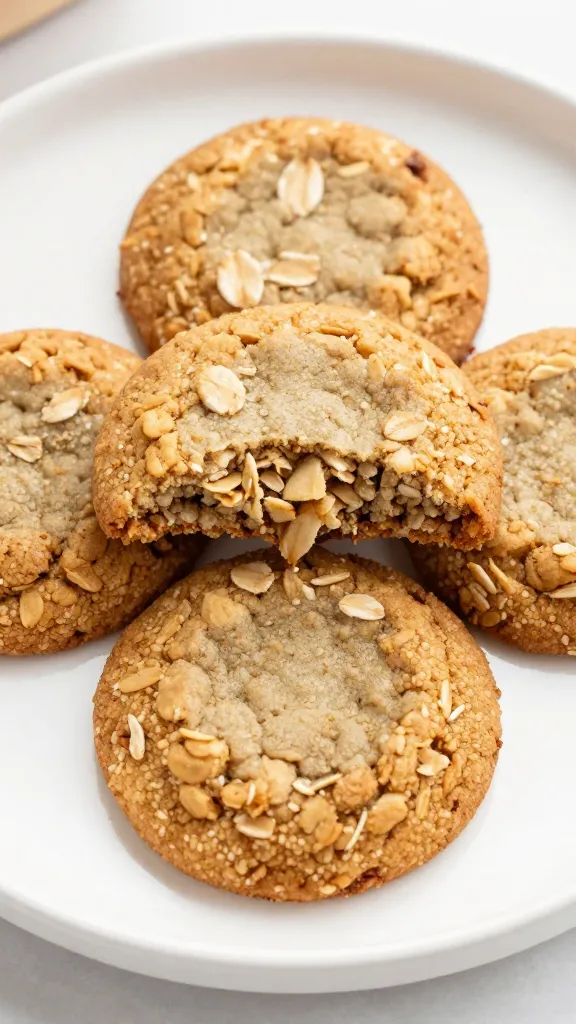
This is where the magic happens. Each ingredient earns its keep, and you’ll see why it’s not just “the usual suspects” in a gluten-free, no-sugar-added cookie.
– Gluten-free oats: Look for certified GF oats. They’re the base that keeps the chewiness intact.
– Binding agents: A mix of eggs and a touch of applesauce or mashed banana helps cookies hold together without gluten.
– Sugar alternatives: Stevia, erythritol, monk fruit, or a blend—choose one you actually enjoy. We’re aiming for a gentle sweetness, not a saccharine overload.
– Fats: Coconut oil or real butter (if you tolerate dairy) give richness and help moisture distribution.
– Flavor boosters: Vanilla extract, cinnamon, a pinch of salt, and optional add-ins like walnuts or raisins for texture and interest.
DIY swaps: tailor-made for your pantry
If you’re short on one ingredient, don’t panic. These swaps keep the cookies tasting great and still friendly on blood sugar.
Ingredient swaps that still work
- Oats: If you don’t have GF oats, you can pulse rolled oats in a blender until fine, then mix with a gluten-free flour blend. The texture stays chewy.
- Sweeteners: Replace with mashed ripe banana for a natural sweetness boost and extra moisture. Or skip the swap and use a small amount of maple-flavored sugar-free syrup for more depth.
- Binders: If you’re out of eggs, try a flax egg (1 tablespoon ground flaxseed + 3 tablespoons water, 5 minutes to gel). Works surprisingly well here.
- Fat: Swap coconut oil for avocado oil if you prefer milder flavor. Butter brings a richer bite; coconut oil keeps things dairy-free and adds a hint of tropical aroma.
Pro tips for the best texture and flavor
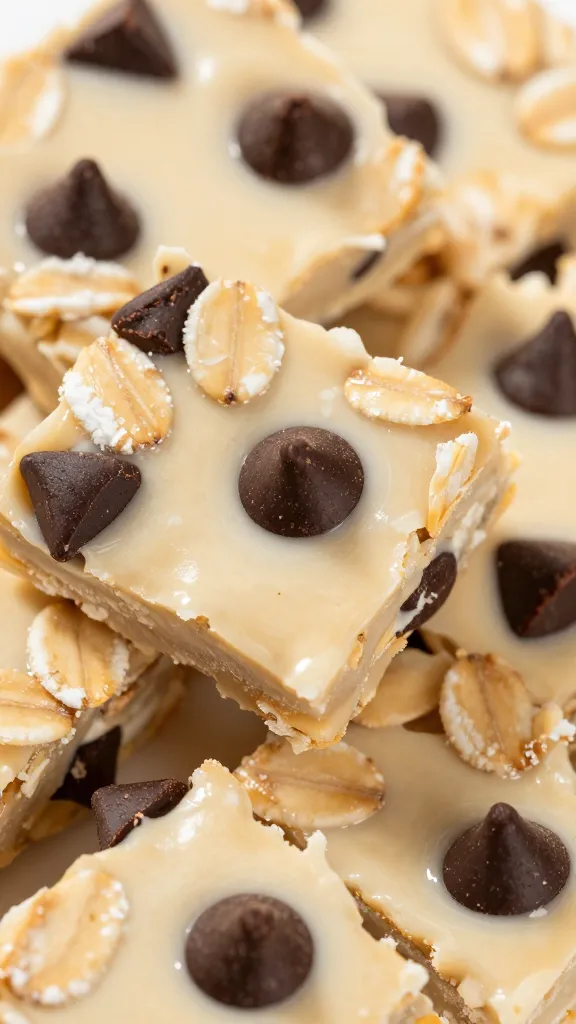
Let’s make sure these cookies come out as chewy and sturdy as you want.
Pro tips
- Chill the dough: A 30-minute chill in the fridge helps control spread and leads to thicker cookies with a better chew.
- Humidity matters: In a humid kitchen, a pinch more oat flour can help, but don’t overdo it or you’ll lose that soft center.
- Temperature control: Bake at a steady 350°F (175°C). If edges brown too fast, drop to 325°F (165°C) for another 5–8 minutes.
- A pinch of salt is your secret ally: It enhances sweetness and depth. FYI, don’t skip it just because cookies are “healthy.”
Common mistakes (and how to avoid them)
We’ve all been there: overbaked, flat, or flavorless. Here’s how to dodge those pitfalls.
Common mistakes
- Overmixing: It makes cookies tough. Stop mixing as soon as the dry ingredients are hydrated.
- Too much liquid: If your dough feels wet, add a tablespoon of oat flour at a time until it thickens.
- Wrong sugar balance: If you use too much sugar substitute, cookies can taste medicinal or gritty. Start with a modest amount and adjust next batch.
- Skipping chilling: It’s not optional if you want thickness and control over spread.
Variations you can actually love
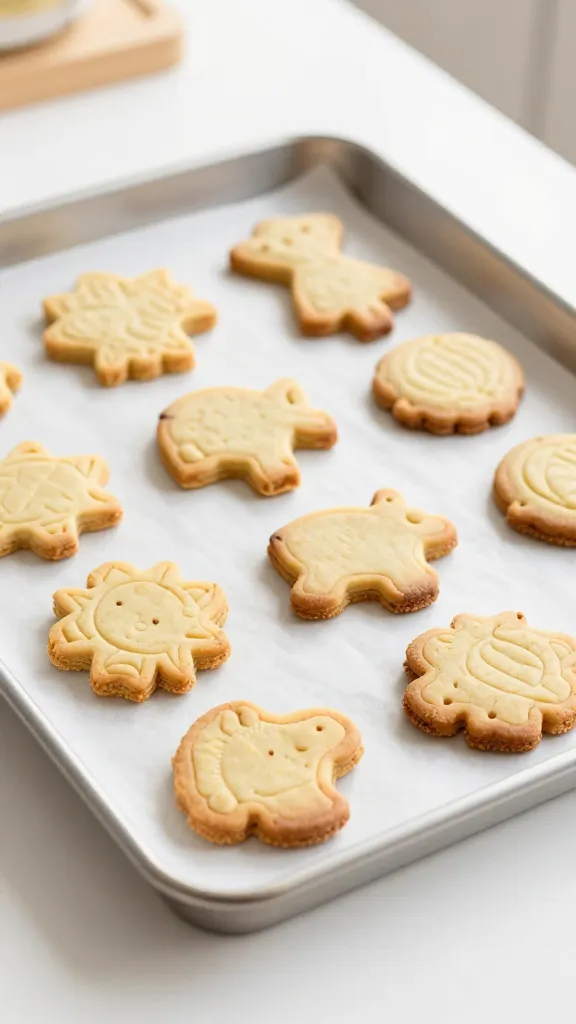
These variations keep things exciting while staying in the no-sugar-added, gluten-free lane.
Flavor twists
- Chocolate-chunk with sugar-free chocolate chips: Deepen with a touch of espresso powder to boost the chocolatey vibe.
- Cinnamon-pecan: Add chopped pecans and a teaspoon of cinnamon for cozy vibes.
- Orange zest and cranberries: A citrus zing with tart notes for a bright update.
Texture twists
- Crunchy edges: Bake a minute longer than the standard time, then cool on the tray for extra crispness.
- Double-chunk chewy: Fold in extra oats and a little finely chopped nuts for a hearty bite.
Comparison blocks: no-sugar-added vs traditional
If you’re weighing your options, here’s a quick contrast so you know what to expect.
No-sugar-added GF oats cookies
Texture: Chewy center with soft edges, holds shape well. Flavor: Warm, comforting, lightly sweetened with natural notes. Blood sugar impact: Minimal, especially with sugar substitutes and balanced fats.
Traditional sugar-added cookies (gluten-free)
Texture: Often crisper or sometimes cakier depending on recipe. Flavor: Sweet, sometimes overpowering. Blood sugar impact: Higher peak due to added sugar; less forgiving for steady glucose control.
FAQ: quick answers to common questions
Q: Can I make these ahead? A: Absolutely. Bake, cool completely, then freeze in airtight bags. Reheat a few seconds in the microwave or warm oven for that just-baked feel.
Q: Are these gluten-free cookies actually gluten-free? A: Yes, as long as you use certified gluten-free oats and GF ingredients. Cross-contamination in your kitchen? Keep separate utensils and bowls if needed.
Q: Do I need to count carbs? A: If you’re monitoring, use the nutrition label of your specific sugar substitute and oat flour. It varies by brand, especially with sugar alcohols.
Q: Can kids eat these? A: Sure! They’re kid-friendly, but watch the sugar substitute if your little ones are sensitive to certain sweeteners.
Tips for best results
– Use cold dough: It’s not just a vibe; it helps cookies keep their shape and stay chewy inside.
– Don’t overwork the dough: Gentle folds only, people. Over-mixing gluten-free dough can make cookies crumbly.
– Store properly: Keep cookies in an airtight container at room temperature for up to a week, or freeze for longer. Layer with parchment to avoid sticking.
How I’d build your dream batch
If you want a personal blueprint, here’s a simple, reliable approach you can start with.
– Base: 2 cups gluten-free oats, 1/2 cup oat flour, 2 eggs, 1/3 cup mashed banana or applesauce.
– Fat: 1/3 cup coconut oil (melted) or 1/4 cup butter.
– Sweetness: 1/3 cup erythritol or 1/4 cup monk fruit sweetener, adjust to taste.
– Flavor: 1 teaspoon vanilla, 1/2 teaspoon cinnamon, pinch of salt.
– Mix-ins: 1/3 cup chopped nuts or unsweetened chocolate chips (optional).
Instructions:
1) Mix dry ingredients in one bowl, wet in another.
2) Combine until just moistened.
3) Chill 30 minutes.
4) Scoop and bake at 350°F (175°C) for 10-12 minutes until edges look set.
5) Cool on the sheet briefly, then transfer to a rack.
Conclusion
Gluten-free oatmeal cookies that won’t spike your blood sugar? Yes, please. They’re doable, dependable, and surprisingly satisfying without that sugar crash hangover. IMO, the secret is balance: good fats, smart binders, and a dash of patience with the chill time. FYI, you’ll probably want to bake a fresh batch every few days because they disappear faster than you’d expect. If you give these a try, tell me which variation became your new favorite—and drop a tip you discovered along the way.
Printable Recipe Card
Want just the essential recipe details without scrolling through the article? Get our printable recipe card with just the ingredients and instructions.