
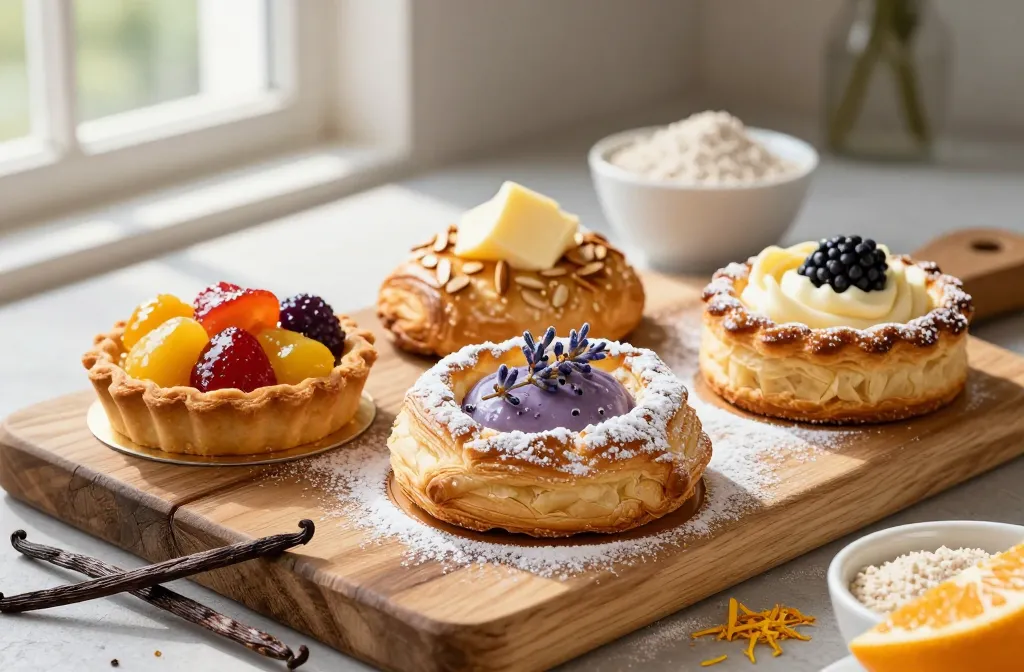
I get it: gluten-free pastry cravings strike hard, and you want something that tastes like the real deal—not cardboard. Good news: you can bake amazing pastries without gluten, and you can do it without losing your mind in the process. Let’s dive into the best gluten-free pastry recipes, with tips, swaps, and a few pro moves to make every bite sing.
What makes gluten-free pastry actually good?
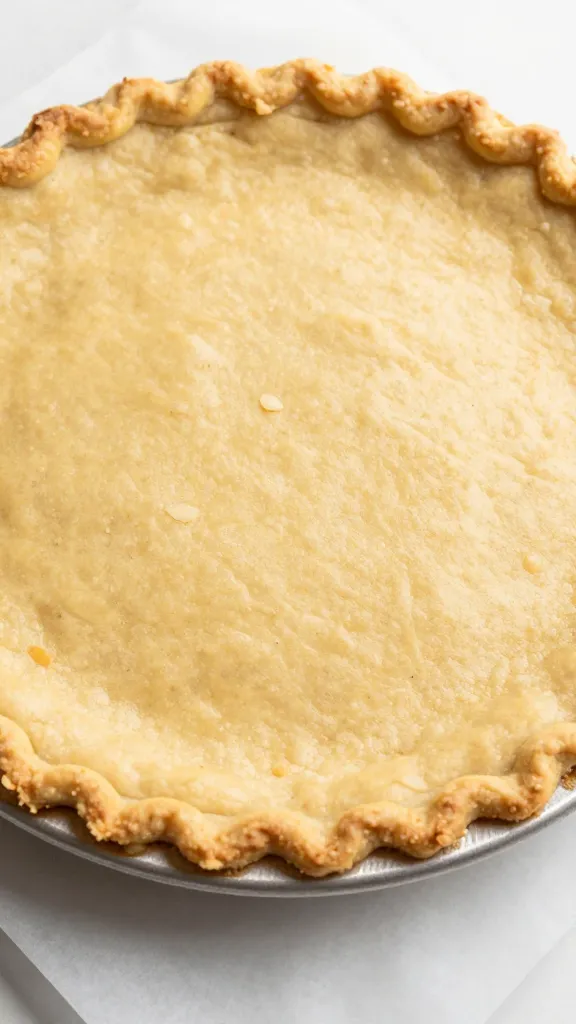
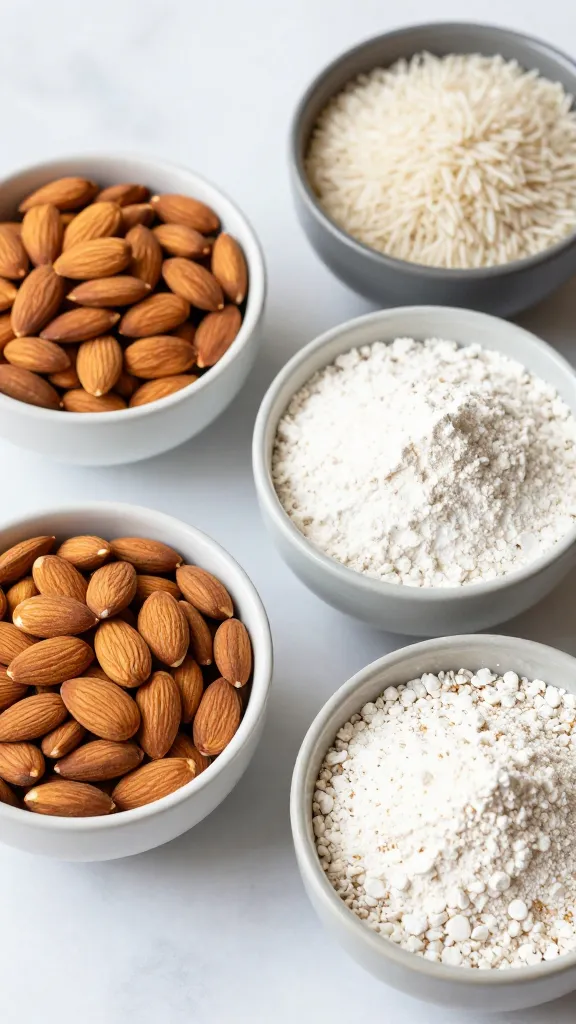
Gluten-free textures can be tricky, but they’re absolutely conquerable. The key is to mix flours for structure, add binding agents, and keep fat and moisture in balance. Don’t chase a single flour—think a team effort: almond, rice, tapioca, and a dash of xanthan gum or psyllium husk. Flavor matters just as much as texture, so don’t neglect vanilla, citrus zest, or a pinch of salt to wake up the dough.
Best gluten-free pastry recipes: a quick tour
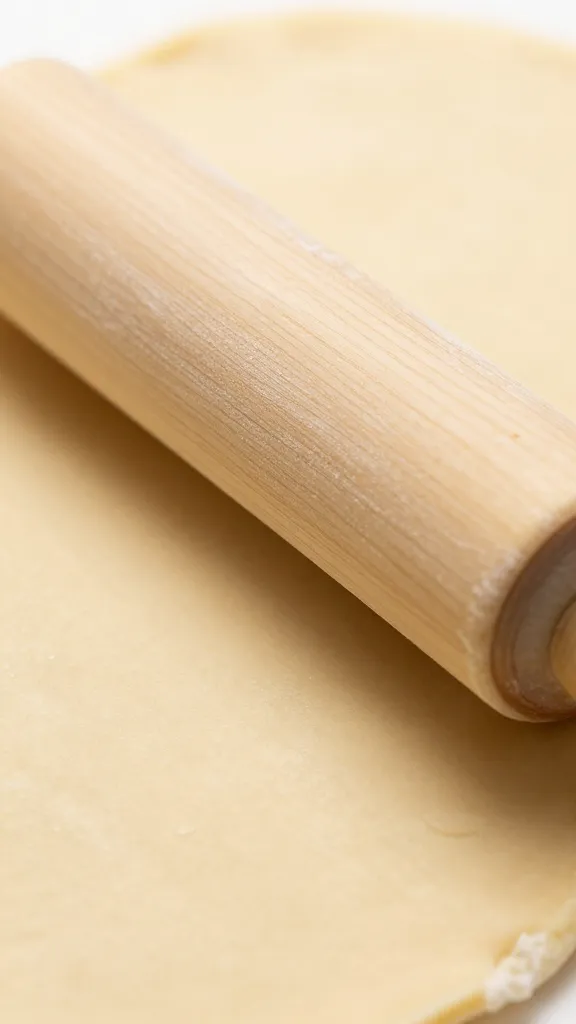
Flaky gluten-free pie crusts that actually crunch
– Why this works: A blend of almond flour for richness, rice flour for structure, and a touch of tapioca for stretch makes a crust that’s both tender and crisp.
– What to expect: Naturally short, crumbly bites with a buttery finish.
– Tips: Chill the dough well, handle it minimally, and blind-bake the crust to prevent sogginess.
Buttery gluten-free puff pastry without a French pastry apron
– Why this works: You’ll rely on a laminated dough technique with a gluten-free flour blend and ice-cold fat to create layers.
– What to expect: Paper-thin sheets with impressive height—great for savory turnovers or dreamy almond croissants.
– Tips: Keep everything cold, roll in short, quick turns, and don’t overwork. FYI, patience pays off here.
Gluten-free shortcrust cookies that crumble like the real thing
– Why this works: A balance of oat flour (certified GF), rice flour, and a touch of cornstarch for tenderness.
– What to expect: Crunchy edges, soft centers, and a lot of butter-flavored joy.
– Tips: Chill the dough, press evenly, and bake just until the edges are lightly bronzed.
Tender gluten-free Danish pastry vibes
– Why this works: A rich dough with cream cheese or yogurt, plus a laminated technique that creates layers without gluten.
– What to expect: Fluffy, custardy fillings with a swoon-worthy crumb.
– Tips: Keep the dough cool and don’t rush the resting periods.
Gluten-free croissant-style treats for weekend glory
– Why this works: A clever blend of gluten-free flours and a butter-heavy dough that folds like a champ.
– What to expect: Golden crescents with a delicate chew.
– Tips: Chill between folds, brush with egg wash for color, and don’t skip the resting time.
How to swap ingredients like a pro
Ingredient swaps
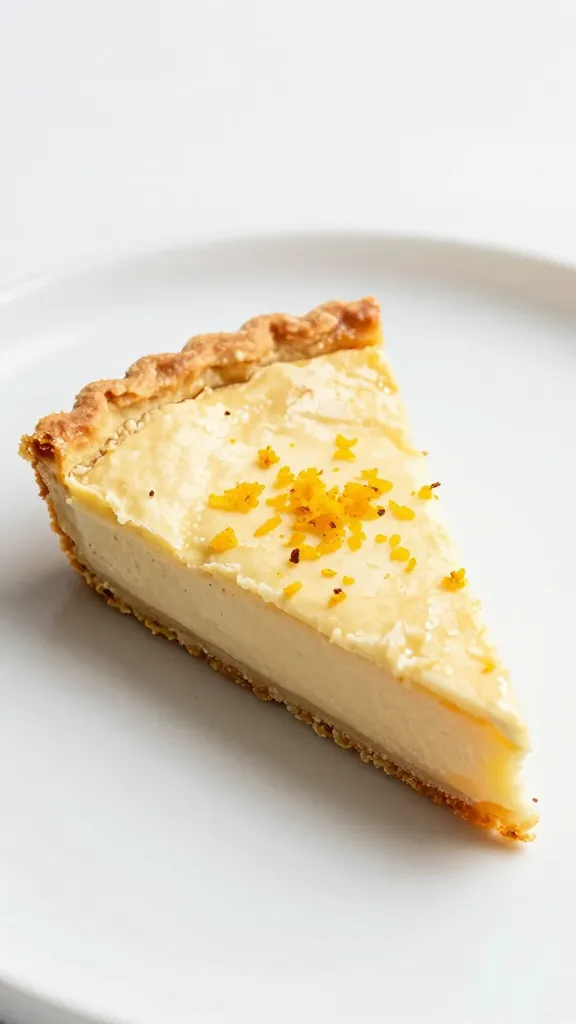
- Use a 1:1 gluten-free flour blend that includes xanthan gum if your mix doesn’t have it. If it does, dial back slightly.
- For extra tenderness, swap a portion of the fat for melted butter plus a splash of olive oil to prevent crumbly bites.
- Replace dairy with plant-based milks and a bit of yogurt or applesauce for moisture, if needed.
- In a pinch, rolled oats labeled gluten-free can stand in for part of the flour blend in cookies and bars.
Pro tips
- Keep everything cold. Dough, butter, and even your hands should stay chilled for flakier layers.
- Texture is king. If the dough feels dry, sprinkle in a teaspoon of ice-cold water at a time until it comes together.
- Blind-bake when filling with moisture-heavy ingredients to avoid sogginess. FYI, it’s your best friend here.
Common mistakes and how to fix them
Common mistakes
- Overworking dough. Gluten-free doughs hate aggressive kneading as much as you hate burnt toast. Gentle mixing only.
- Not enough resting time. Dough needs to hydrate and chill to behave.
- Wrong fat ratio. Too little fat = dry, crumbly texture; too much fat = greasy, pale crust.
Fixes
- If dough crumbles, add a tiny bit of water or milk and re-knead gently until cohesive.
- If crust is bland, boost flavor with a pinch of sugar, citrus zest, or vanilla.
- If puff pastry isn’t layering, ensure your butter is cold and you’re rolling with quick, confident movements.
Variations: gluten-free twists that wow
Sweet and fruity fillings
- Keep fillings thick to avoid soaking into the crust. Think lemon curd, berries macerated with sugar, or chocolate ganache with a hint of espresso.
- Dust with almond meal or pistachio for an extra nutty layer on top.
Savory pastry plates
- Spinach and feta, mushroom and gruyère, or roasted vegetable tarts work beautifully with these doughs.
- Elevate with a drizzle of olive oil, flaky sea salt, and cracked pepper just after baking.
Mini bites for parties
- Make mini tart shells and fill with lemon curd, fruit compotes, or savory cheese and herb blends.
- Use muffin tins or mini tart pans for uniform sizes that bake evenly.
Pro tips, quick rounds
Pro tips
- Always sift dry ingredients to avoid lumps, especially with chestnut or chickpea flours.
- Let the dough rest after rolling to relax the gluten-free structure; it prevents cracking.
- Label and store dough and fillings separately for quick bake nights.
FAQ
Q: Can I freeze gluten-free pastry dough? A: Absolutely. Wrap tightly and freeze. Thaw in the fridge before rolling. Pro tip: roll between parchment sheets to keep it tidy.
Q: Do I need xanthan gum? A: Not always, but it helps with structure. If your blend already has it, you can reduce or skip extra gum.
Q: How do I prevent a soggy bottom? A: Blind bake and keep fillings thick. Also, brush the crust with a light egg wash or dairy-free alternative for a moisture barrier.
Best practices for flawless gluten-free pastry
Ingredient swaps (quick reference)
- Rice flour + tapioca starch + almond flour = versatile base
- Chickpea or sorghum flour for a punch of flavor (use sparingly)
- Coconut oil or butter? Choose based on flavor notes you want; coconut oil adds a subtle sweetness but can overpower delicate fillings
Technique checklist
- Cold fat, cold water, cold surfaces
- Minimal handling; you’re aiming for layers, not a bread-like chew
- Roll between parchment to prevent sticking and wrecked dough
Conclusion
Gluten-free pastry isn’t about settling for “close enough.” It’s about using the right flour blend, smart fat, and proper technique to unleash flavor and texture that rival traditional pastry. So next time you’re in 3 pm pastry-craving mode, whip up one of these doughs, and you’ll be pleasantly surprised by how little you miss gluten. IMO, a good GF crust is a vibe you’ll want to chase again and again. Give it a go, and tell me which recipe steals the show for you.