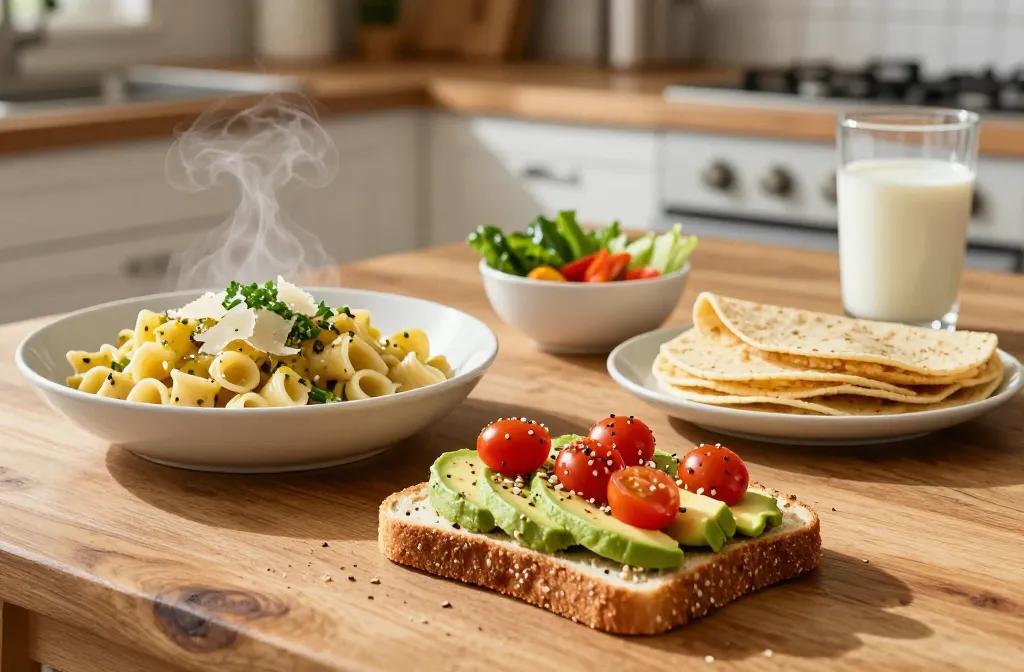
I know the frustration of gluten intolerance all too well. You want real, tasty foods without the tummy drama. Let’s cut to the chase: here are 12 foods to avoid if you’re trying to keep gluten at bay, plus smart swaps and tips to keep meals satisfying.
Why avoiding gluten foods matters (quick refresher)
– Gluten can trigger symptoms in people with intolerance, celiac disease, or sensitivity.
– Even trace amounts can cause issues for some folks, so reading labels is non negotiable.
– FYI, the goal isn’t perfection—it’s finding what works for your body and sticking with it.
1) Traditional breads and baked goods
Bread is the classic offender, and for good reason. White bread, wheat rolls, bagels, croissants—these all hide gluten like a stealthy ninja.
– Why it’s risky: gluten gives that chewy structure, but it also means most bakery items are off-limits.
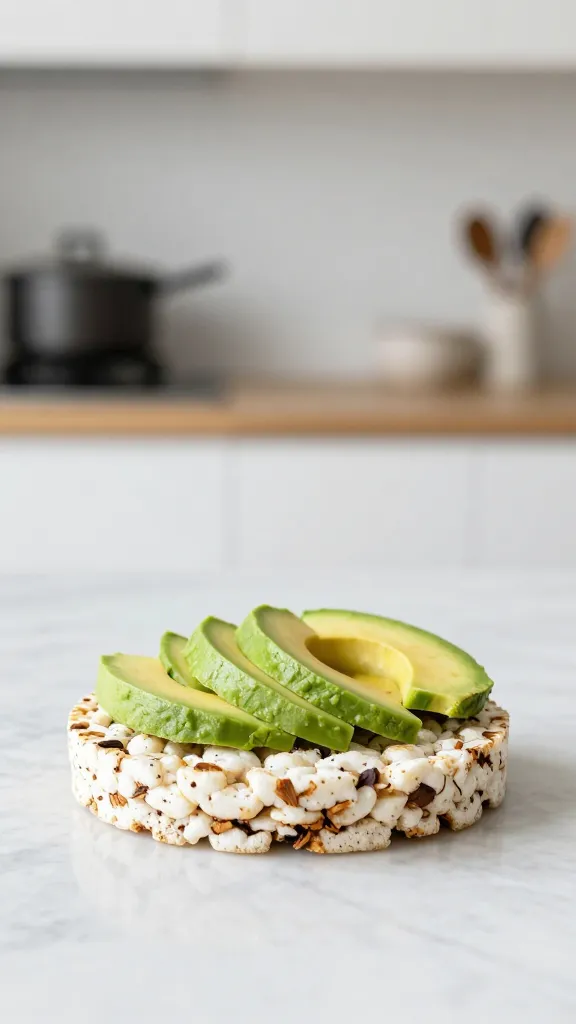
– What to do instead: reach for gluten-free breads or naturally gluten-free options like corn tortillas or rice cakes.
Subsection: Quick swaps you’ll actually like
– Try gluten-free sourdough from reputable brands; the fermentation sometimes reduces gluten exposure.
– Make your own at home with certified gluten-free flours (rice, buckwheat, millet blends).
– Use lettuce wraps or rice paper for sandwiches if you’re avoiding bread entirely.
2) Pasta and noodles
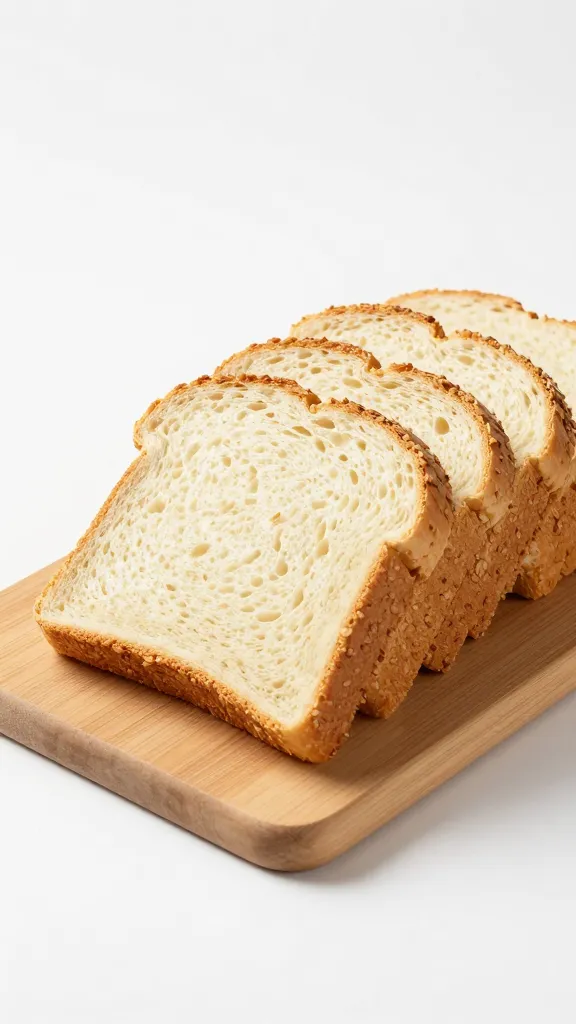
Classic pasta dishes can trigger gluten fallout fast. Spaghetti, fettuccine, lasagna sheets—poof, gluten is present.
– Why it’s risky: many pastas are made from wheat, durum, or semolina.
– What to do instead: opt for corn, brown rice, or chickpea pasta. Zoodles (zucchini noodles) are also a solid fallback.
Subsection: Tips for cooking pasta-free meals
– Always check labeling on sauces; gluten hides in thickeners and flavor boosters.
– If you crave that comfort vibe, try gluten-free mac and cheese with a creamy cheese sauce and gluten-free pasta.
3) Beer, ale, and many malt beverages
Alcohol can be sneaky. Beer is almost always gluten-packed unless it’s specifically labeled gluten-free.
– Why it’s risky: barley, hops, and malt are traditionally gluten-rich.
– What to do instead: look for gluten-free beers (made from sorghum, buckwheat, or millet) or distilled spirits (most are gluten-free, but watch for flavorings).
Subsection: Pro tips for enjoying drinks safely
– Always read the label; some gluten-free beers still have processing aids you want to avoid.
– If you’re unsure, opt for a cider, wine, or hard seltzer labeled gluten-free.
4) Processed snacks and crackers
Snack time is where gluten can sneak in with a vengeance: crackers, pretzels, seasoned nuts, and snack mixes.
– Why it’s risky: many “crackers” are wheat-based, and flavor enhancers can hide gluten.
– What to do instead: stock up on certified gluten-free crackers, popcorn, rice cakes, and roasted chickpeas.
Subsection: Ingredient swaps that save snack time
– Swap regular crackers for gluten-free chickpea or quinoa crackers.
– DIY option: make roasted chickpeas with gluten-free seasoning blends.
– Snack mix idea: mix GF pretzels, roasted seeds, and dried fruit.
5) Sauces, gravies, and condiments
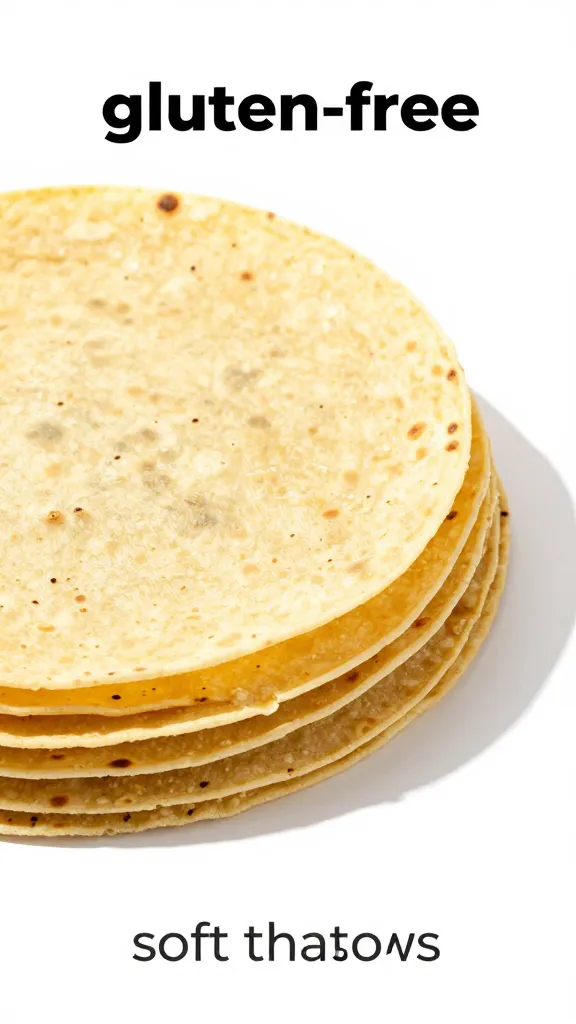
A lot of flavor boosters hide gluten as a thickener or stabilizer.
– Why it’s risky: sauces like soy sauce (historically wheat-based), some gravies, and certain spice blends.
– What to do instead: choose gluten-free soy sauce or tamari, make your own gravies from scratch, and read labels on all condiments.
Subsection: Ingredient swaps and DIY wins
– Use tamari or coconut aminos as gluten-free soy substitutes.
– Make a quick pan sauce with stock, a splash of wine, and cornstarch to thicken—gluten-free by default.
6) Breakfast cereals and mixes
Cereal lovers, beware: many morning staples load up on gluten, especially those with malt flavoring or wheat-based grains.
– Why it’s risky: breakfast is easy to rush through and overlook gluten sources.
– What to do instead: choose gluten-free oats (certified), corn flakes labeled GF, or quinoa-based breakfast bowls.
Subsection: Quick breakfast ideas that actually stick
– Overnight oats with certified gluten-free oats and almond milk.
– Smoothie bowls topped with GF granola and fresh fruit.
– Scrambled eggs with avocado and a side of GF toast.
7) Battered and breaded items
Fried chicken, fish sticks, tempura—gluten hides in the batter.
– Why it’s risky: gluten acts as the binding and crispy layer.
– What to do instead: ask for GF batter options or opt for items breaded in gluten-free crumbs.
Subsection: How to tell if something’s GF-safe
– Ask questions: is the fryer dedicated to gluten-free items?
– If you’re cooking at home, use certified GF flour blends for dredging and frying.
8) Seitan and other gluten-containing proteins
Seitan is basically gluten in protein form for many people. It’s not your friend if you’re avoiding gluten.
– Why it’s risky: it’s gluten by design.
– What to do instead: choose gluten-free protein sources like chicken, fish, eggs, beans, lentils, tofu (check labels), and tempeh (GF varieties available).
9) Ready-to-eat meals and frozen entrees
Pre-made meals can be a gluten trap, even if they look innocent.
– Why it’s risky: hidden gluten in sauces, crusts, and thickeners.
– What to do instead: look for certified gluten-free frozen meals or assemble your own bowls from GF staples.
Subsection: How to shop smarter
– Always scan ingredients and allergen statements.
– Choose brands with separate facilities or dedicated gluten-free lines.
10) Condensed soups and canned sauces
Gluten loves hiding in thickened soups and canned sauces.
– Why it’s risky: wheat flour and starches as thickeners.
– What to do instead: opt for gluten-free soups or make your own quick soups at home.
11) Dessert items and sweets
Cookies, cakes, and pies often rely on wheat flour or malt. Dessert cravings don’t have to go unfulfilled, though.
– Why it’s risky: gluten can make desserts taste “normal,” but it isn’t worth the discomfort.
– What to do instead: seek GF cookies and cakes or bake your own with certified GF flours.
Subsection: Sweet swaps you’ll actually love
– Almond flour cookies, coconut flour brownies, and oat-based treats (ensure oats are GF).
– Use gluten-free chocolate bars labeled GF for quick sweet fixes.
12) Spice blends and seasoning mixes
Gluten hides in some spice blends as anti-caking agents or fillers.
– Why it’s risky: a tiny scoop can still pack a gluten punch.
– What to do instead: make your own spice blends or store-bought GF labels only.
Pro tips, common mistakes, and variations
Pro tips
– Always read labels, even if you’ve bought the product before. Formulations change.
– When dining out, ask the staff about cross-contamination and gluten-free preparation practices.
– Keep a simple gluten-free kitchen kit: GF flours, tamari, gluten-free pasta, rice, and fresh veggies.
Common mistakes
– Assuming “gluten-free” on a product means it’s safe; read the fine print.
– Not checking labels for malt or hidden starches in sauces and soups.
– Going all-in on one substitute; variety helps you enjoy meals more.
Variations
– Paleo-friendly gluten avoidance: focus on whole foods, but be mindful of cross-contamination.
– Low-FODMAP gluten avoidance: combine with careful checks on sauce thickeners and processed foods.
FAQ
Q: If a product says “gluten-free,” does that mean I’m safe?
A: It’s a strong indicator, but always double-check the ingredient list and any “may contain” statements. Some people with celiac disease react to trace amounts.
Q: Can I still eat grains?
A: Yes, many gluten-free grains work well—rice, corn, quinoa, millet, buckwheat, and certified gluten-free oats are great options.
Q: How do I handle gluten at restaurants?
A: Tell the server you have a gluten intolerance, ask about cross-contamination, and request GF options prepared separately whenever possible. FYI, it never hurts to ask twice.
Conclusion
If you’re navigating gluten intolerance, you don’t have to surrender flavor. You just need smart choices and a few reliable swaps. Keep a short list of go-to gluten-free staples, learn to read labels like a pro, and don’t be afraid to experiment with flavor profiles you actually enjoy. IMO, the DIY kitchen is your best ally—plus, you’ll feel a lot better when you’re not chasing tummy trouble after every meal.