
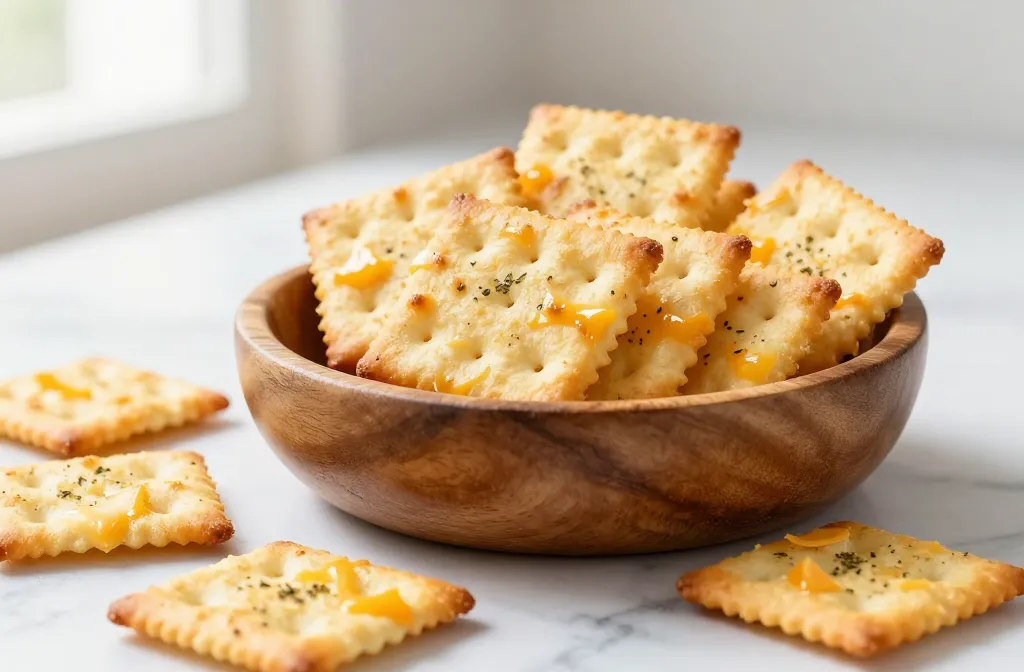
Want a snack that doesn’t crumble under pressure? Gluten free cheese crackers save the day. They’re crunchy, cheesy, and surprisingly satisfying—even if you’re not avoiding gluten. Let’s dive into the gooey, toasty world of crackery goodness.
What makes a cracker gluten free (and still crave-worthy)
So, what actually distinguishes gluten free cheese crackers from regular ones? It’s not just swapping wheat for rice flour. It’s a careful balance of texture, flavor, and structure. You want a crisp bite that doesn’t crumble into dust, plus a cheesy zing that sticks to the roof of your mouth in the best way.
Key factors you’ll notice:
- Texture balance: crisp outside, a hint of chewiness inside.
- Cheese presence: enough tang to make it feel indulgent, not skimpy.
- Flavor versatility: works solo or with dips, soups, and toppings.
- Ingredient transparency: fewer odd additives, more real cheese vibes.
FYI, not every gluten free flour behaves the same. Some bake up sandier; others stay a bit crumbly if you push them. The good news? You can tailor with a few tricks (we’ll get to those in a minute).
DIY vs. store-bought: which route fits you
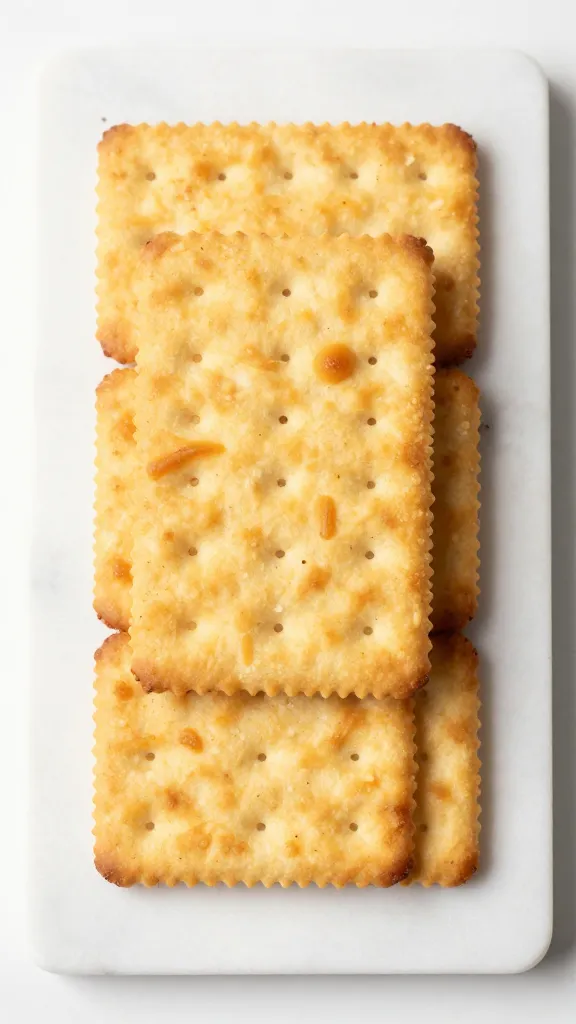
If you’re a DIY warrior, making your own gluten free cheese crackers can feel oddly empowering. You’ll control salt, cheese intensity, and texture. If you’d rather save time, there are solid store-bought options that won’t disappoint.
- DIY pros: customizable shapes, fresher smell, bragging rights.
- DIY cons: time, experimentation, and flour juggling.
- Store-bought pros: consistent texture, quick snacks, easy to share.
- Store-bought cons: sometimes pricey, packaging goals over cheddary magic.
If you’re new to gluten free crackers, start with a simple recipe or pick a trusted brand. Then you’ll know what “gluten free cheese cracker perfection” tastes like and you can adjust from there.
Ingredients that actually matter
No mystery here: ingredients drive taste and texture. Here are the big-ticket items to look for or aim for in your own kitchen.
Core components
- Gluten free flour blend: a mix with rice, tapioca, potato starch, or corn gives structure without gluten.
- Cheese: powder or shredded real cheese adds depth. Real cheese melted in gives that luxe flavor.
- Binder: xanthan gum or psyllium husk helps hold it all together without gluten.
- Fat: butter or oils contribute tenderness and shine.
- Salt and seasonings: don’t skip; they wake up the cheese vibe.
Ingredient swaps for different vibes
- For extra cheesiness: use a mix of cheddar powder and a dash of parmesan.
- Vegan option: use dairy-free cheese shreds and olive oil; replace butter with a neutral oil.
- Crunchy edge: add a touch of cornmeal or almond flour to boost crunch.
- Herby lift: toss in dried thyme, paprika, or garlic powder.
Pro tips for perfect crackers every batch
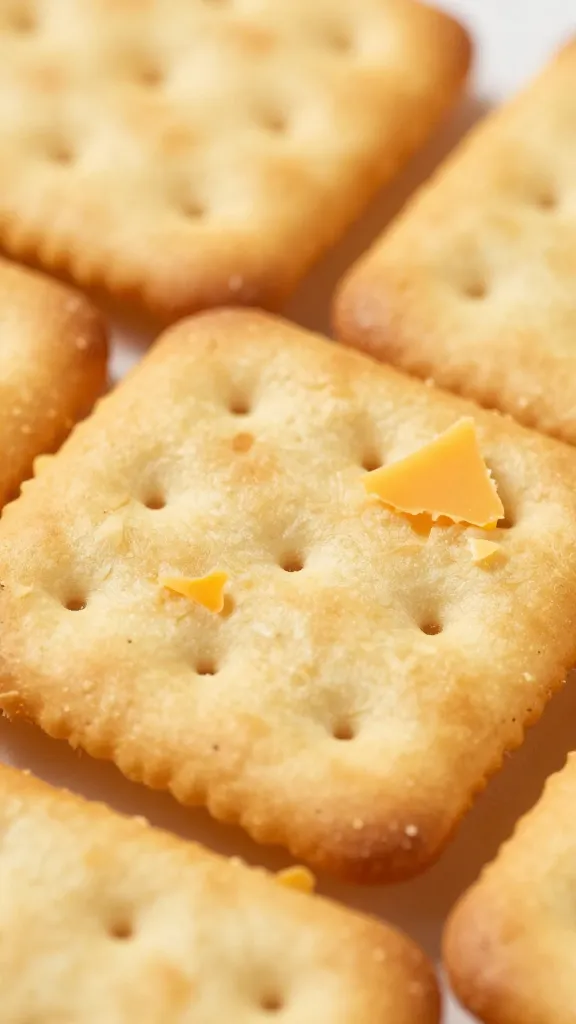
Want the best results, every time? Try these insider moves.
- Roll thin, but not paper-thin. Aim for about 1/8 inch (3 mm) for that satisfying snap.
- Chill the dough before slicing. It keeps shapes neat and prevents spreading.
- Dock the surface with a fork or just gently prick. This prevents big air bubbles and uneven pockets.
- Bake on parchment or a silicone mat to prevent sticking and promote even browning.
- Watch the edges. Cheese can ignite like a tiny sun if you’re not paying attention.
Common mistakes (so you can avoid them)
We’ve all made rookie moves. Don’t worry—here are the pitfalls to dodge.
- Overworking the dough. It turns tough and dry rather than tender and crisp.
- Too much moisture. Gluten free dough can be forgiving, but not when it’s soggy.
- Uneven thickness. If some crackers are thick, they stay soft while thin ones burn—talk about a drama queen situation.
- Skipping the binder. Without something to hold it together, you’ll get crumbly crackers.
Variations: flavors and formats to try
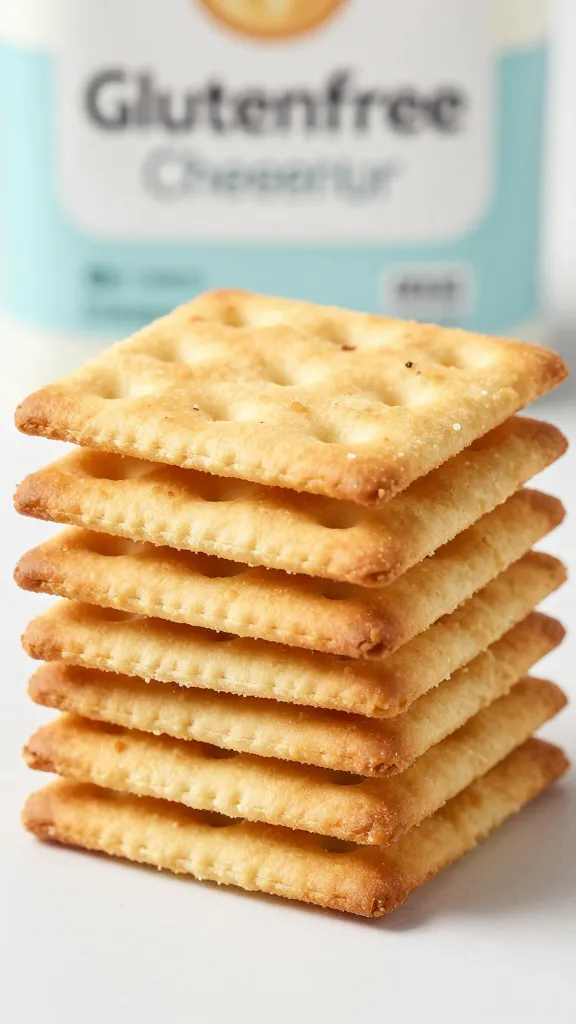
Crackers don’t have to be boring. Here are some fun twists to keep your snacking exciting.
Cheesy + spicy
Add a pinch of chili powder or cayenne for a warm kick that still tastes like cheese heaven. Pair with a cooling dip to balance the heat.
Nutty crunch
Incorporate finely ground almonds or chestnut flour for a nutty undertone. It adds richness and a little extra bite.
Herbed delight
Sprinkle dried rosemary, thyme, or chives into the dough. Nice with tomato soup or a simple cheese plate.
Savory-sweet combo
Try a touch of black pepper and a sprinkle of smoked paprika. It’s unexpected but delicious with a wedge of brie.
Comparison blocks: store-bought vs. homemade
Still deciding? Here’s a quick side-by-side to help you choose.
Texture
– Homemade: can be feather-light or sturdy, depending on your roll thickness and binder amount.
– Store-bought: consistent texture; usually reliable snap.
Flavor
– Homemade: cheese level is controllable; you can go bold or subtle.
– Store-bought: flavor tends to be balanced and predictable.
Convenience
– Homemade: takes time but gives you control and bragging rights.
– Store-bought: instant gratification, perfect for road trips.
FAQ
- Are gluten free cheese crackers really gluten free?
- Can I freeze gluten free cheese crackers?
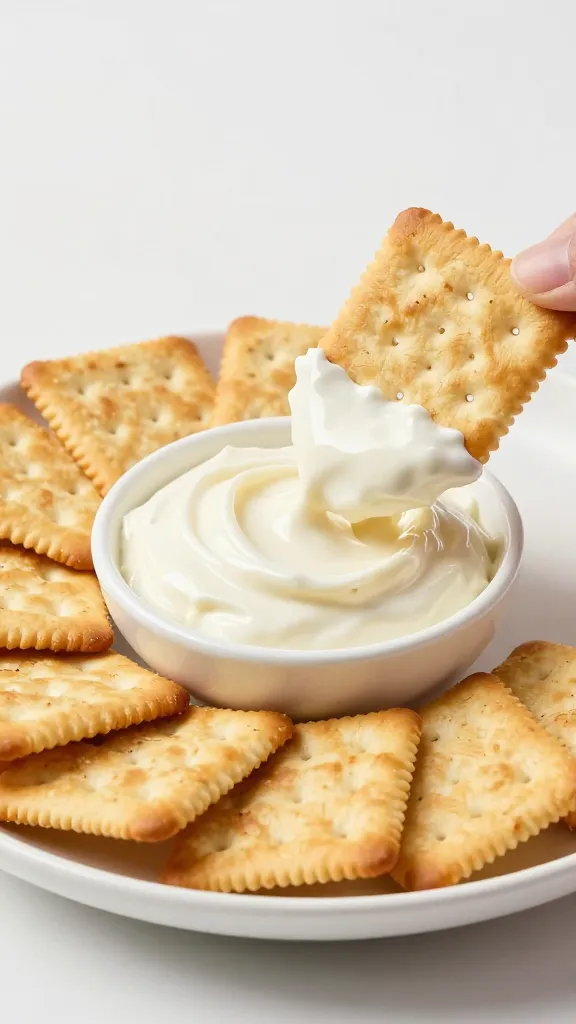
- What’s the best dip for these crackers?
- Can I make these without dairy?
- What’s the secret to extra crunch?
Yes. When you purchase certified gluten free ingredients or make them at home with safe methods, these crackers don’t contain gluten. Always check labels if you’re celiac or highly sensitive.
Absolutely. Bake and cool them, then freeze in an airtight container. Reheat in a 350°F oven for a few minutes to refresh their snap.
Anything cheesy works. Think salsa, hummus, sour cream and onion dip, or a simple tomato soup dunk. FYI, dip compatibility can elevate the whole snack game.
Yes, with dairy-free cheese substitutes and a plant-based fat. The texture might shift a bit, but you’ll still get a crunchy delight.
Roll thinner and bake longer at a lower temp to dry out edges gently. Don’t leave them unattended—gluten free dough loves to surprise you with a quick burn.
How to store gluten free cheese crackers
Rethinking freshness? Let’s keep that crunch locked in.
- Store baked crackers in an airtight container at room temperature for up to a week.
- Keep them away from humidity, which can soften the snap.
- For longer life, freeze in a single layer, then bag. Re-crisp in a 350°F oven for a few minutes.
Flavor experiments you can actually pull off
If you’re feeling adventurous, here are easy experiments.
- Try one cheese blend per batch: cheddar with a hint of gruyère for that sophisticated melt-and-snap combo.
- Mix in dried vegetables like minced sun-dried tomatoes or garlic flakes for added depth.
- Use different flours in the gluten free blend to see what texture you like best: nutty, light, or sturdy.
Conclusion
Gluten free cheese crackers aren’t a gimmick—they’re a versatile, satisfying snack that proves gluten-free doesn’t mean flavor-free. With a few simple ingredients, you can craft crackers that taste like a cozy breeze on a cheese-filled day. So grab your dough, roll out some joy, and snack like a pro. IMO, you’re about to become your own snack wizard—and maybe the hero of the next movie night.
Add sections like: Pro tips, Common mistakes ,Variations, Comparison blocks, FAQ with answers in paragraphs.