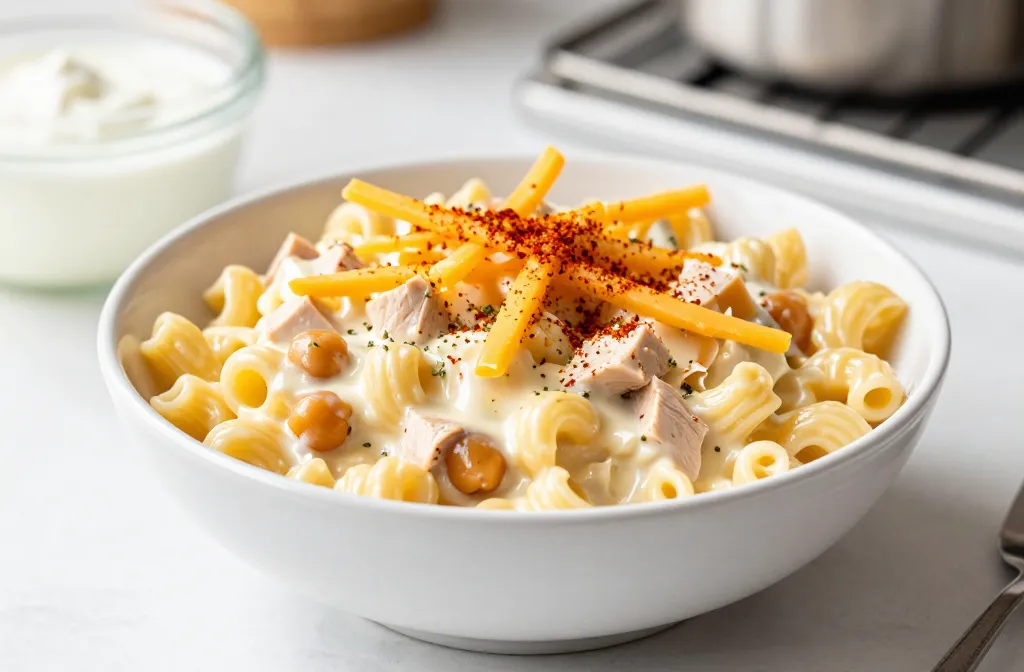
A killer bowl of mac and cheese can taste indulgent without wrecking your goals—this version uses high-protein, gluten-free pasta and a creamy, low-calorie sauce so you actually feel fueled, not fried. Yes, you can have your comfort food and still shed pounds. Ready to upgrade your dinner game?
Why this version works for weight loss
If you’re chasing fat loss without giving up flavor, this recipe hits the sweet spot. High-protein pasta plus a protein-packed cheese sauce helps you stay full longer, which means fewer late-night snacking temptations. And yes, it’s gluten-free, so if you’re avoiding gluten or just avoiding gut drama, you’re in good company. FYI, protein is your best friend when you’re cutting calories but still training hard.
Ingredients that keep it creamy without the calories
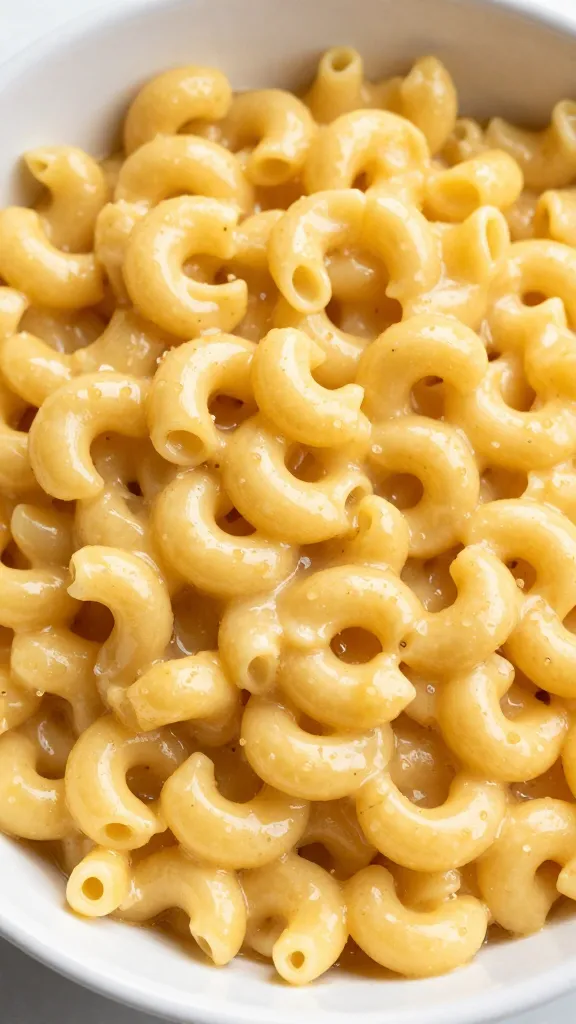
- Gluten-free pasta with higher protein content if you can find it (or chickpea/lentil-based versions for extra protein).
- Reduced-fat milk or unsweetened almond milk to cut calories while keeping creaminess.
- Greek yogurt or lactose-free, for a tangy, protein punch and extra creaminess.
- Turkey or chicken breast diced for texture and added protein (optional but highly recommended).
- Low-fat cheddar or a mix of cheddar and mozzarella for meltiness without heaviness.
- Mustard powder, paprika, garlic powder for flavor depth without extra calories.
- Cornstarch or arrowroot a little goes a long way to thicken the sauce without adding fat.
- Salt, pepper, and a pinch of nutmeg to finish nicely.
How to build the ultra-creamy, low-cal sauce
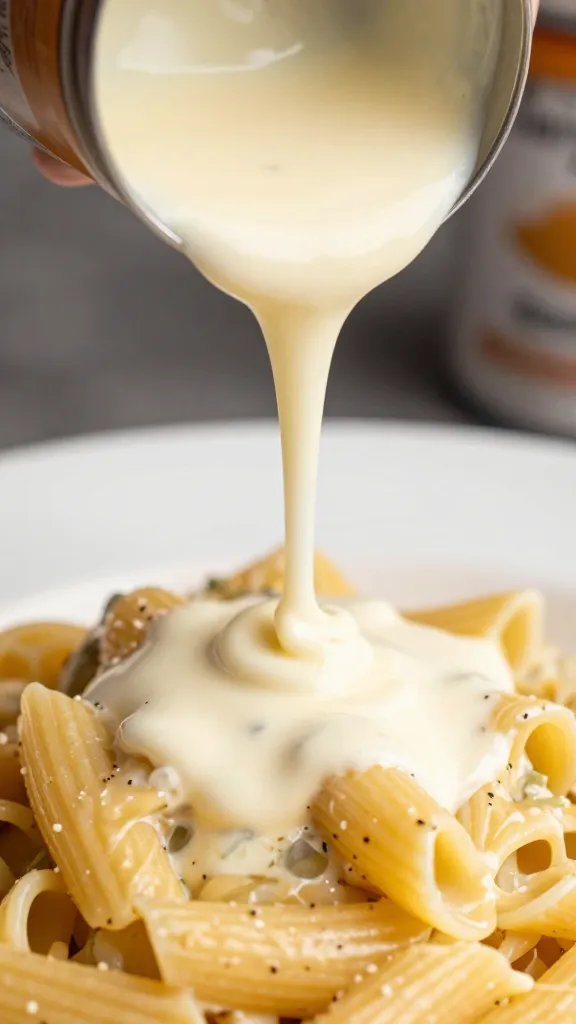
Think of the sauce as a slow build. You’re not rushing it—you’re coaxing the flavors into a velvet finish.
- Warm the milk in a saucepan, not a boiling hot tub. Stir in a splash of milk at a time to keep things smooth.
- Whisk in Greek yogurt off the heat so it stays silky and doesn’t curdle. If you’re worried, temper the yogurt by mixing a couple spoonfuls of the warm milk into it first.
- Blend in shredded cheese gradually—low and slow wins the melt race. Too much at once can make it clumpy.
- Boost thickness with a teaspoon of cornstarch whisked into a little cold water, then stirred in. Simmer until the sauce coats the spoon, not a pasta blanket of glue.
Tips for best results
- Use a high-protein gluten-free pasta so you actually feel the protein hit.
- Keep heat low to medium after adding yogurt to prevent splitting.
- Stir in a splash of pasta cooking water if the sauce tightens too much—starch helps everything cling.
Protein-packed add-ins that won’t blow your budget of calories
Protein is your secret weapon here. You don’t have to eat plain plants to reach daily targets.
- Grilled chicken strips slice nicely into bowls.
- Ground turkey browned with garlic and paprika for extra punch.
- Chickpeas or white beans folded in for plant-based protein without a heavy texture.
- Egg whites whisked into the sauce subtly up the protein level (don’t overdo, or you’ll get a weird texture).
Substitute ideas
- Swap regular pasta for chickpea pasta to boost protein and fiber.
- Use fat-free cottage cheese blended smooth if yogurt isn’t your jam.
- Swap cheddar for a sharper cheese to get more flavor with less volume.
Flavor boosters that keep the calories in check
You don’t need a dozen sauces to get a crave-busting dish. A few smart additions do the trick.
- Garlic powder and onion powder add depth without adding fat.
- A pinch of smoked paprika or chipotle powder brings a cozy, comforting vibe.
- Fresh herbs—parsley, chives, or thyme—finish the plate with brightness and zero calories.
- Finishing salt and a grind of black pepper seal the deal.
Pro tips and common mistakes
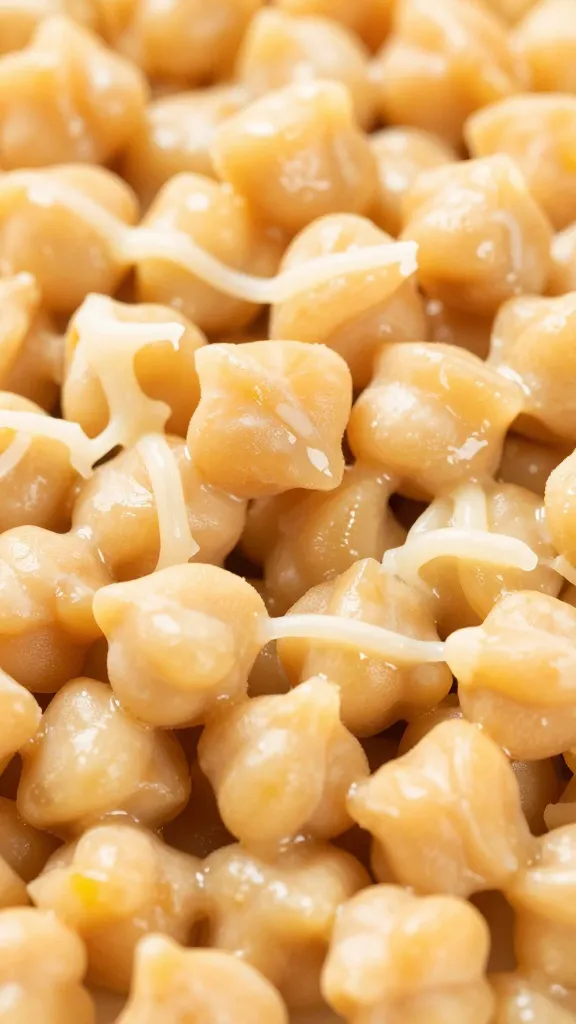
Pro tips
- Season early and often. Gluten-free pastas can be shy on salt, so taste as you go.
- Cook pasta to just-under-al-dente; it soaks up sauce beautifully as it finishes in the pan.
- Let the sauce rest for a minute after mixing with pasta; it thickens slightly and coats better.
Common mistakes
- Overheating dairy-based sauce, which leads to curdling. Keep it gentle.
- Using waterlogged gluten-free pasta that doesn’t hold sauce. Cook with gusto, not sadness.
- Rushing the cheese melt—low and slow is the name of the game.
Variations to keep things interesting
If you’re in a meal-prep mood or you want something different for a weekend, try these twists.
- Spicy kick: add a dash of hot sauce or a pinch of red pepper flakes to the sauce.
- Smoky cheddar swap: mix in a little smoked gouda with cheddar for a barbecue-y vibe.
- Green boost: stir in finely chopped spinach or kale for color and nutrients.
- Herby lemon: finish with a squeeze of lemon and chopped dill for a bright finish.
Comparison blocks: textures, calories, and protein (quick guide)
High-protein gluten-free pasta vs regular GF pasta
High-protein GF pasta often contains more protein per serving and slightly more fiber, which helps with fullness. It tends to hold sauces a bit better, too. If you can’t find it, regular GF pasta still works well with the creamy sauce—just watch portions to keep calories in check.
Whole-milk vs. skim milk in sauce
Skim or almond milk lowers calories but can thin the sauce. Use yogurt and a touch of starch to maintain creaminess. FYI, whole milk makes a silkier sauce, but you’ll need to count the extra calories. Pick your poison and balance with protein in the rest of the plate.
Cheese choices: sharp vs. mild
Sharp cheeses give you big flavor with less volume. If you love creamy texture, pair a modest amount of sharp cheddar with mozzarella for melt.
Meat-inclusive vs. meat-free options
Meat adds protein and satiety, but beans or lentils can fill the gap for a plant-forward approach. Both work; just adjust portions to hit your protein target without blowing calories.
FAQ: answers to common questions
Is gluten-free pasta as filling as regular pasta? It can be, especially when you pair it with a high-protein sauce and add-ins. The protein from the cheese and optional meats helps a lot with fullness, so you won’t feel deprived.
Can I freeze this dish? Yes. Pack in single portions to freeze flat, then reheat gently on the stove or in a microwave. Add a splash of milk if it thickens too much.
How do I keep the sauce from curdling? Don’t boil once you add yogurt. Off-heat or low heat, whisk in slowly, and if it looks thick, loosen with a bit of the reserved pasta water.
What if I’m dairy-free? Use unsweetened almond milk, a dairy-free yogurt alternative, and a vegan cheese blend. Thickening agents like cornstarch help, too.
How to serve and portion for the best weight-loss results
Portion control is your stealth weapon here. Aim for a fist-sized portion of pasta per serving, roughly 1 to 1.5 cups cooked, depending on your protein add-ins. Dress it up with a big veggie side for volume without many calories. IMO, a colorful plate keeps you motivated.
Conclusion
This high-protein gluten-free mac and cheese proves you don’t have to sacrifice comfort for calories. With the right pasta, a creamy yet light sauce, and smart add-ins, you get a satisfying, weight-loss-friendly dinner that actually sticks to your ribs. So go ahead—scoop, savor, and feel good about your choice. FYI, your future self will thank you for the extra momentum in your fitness journey.