
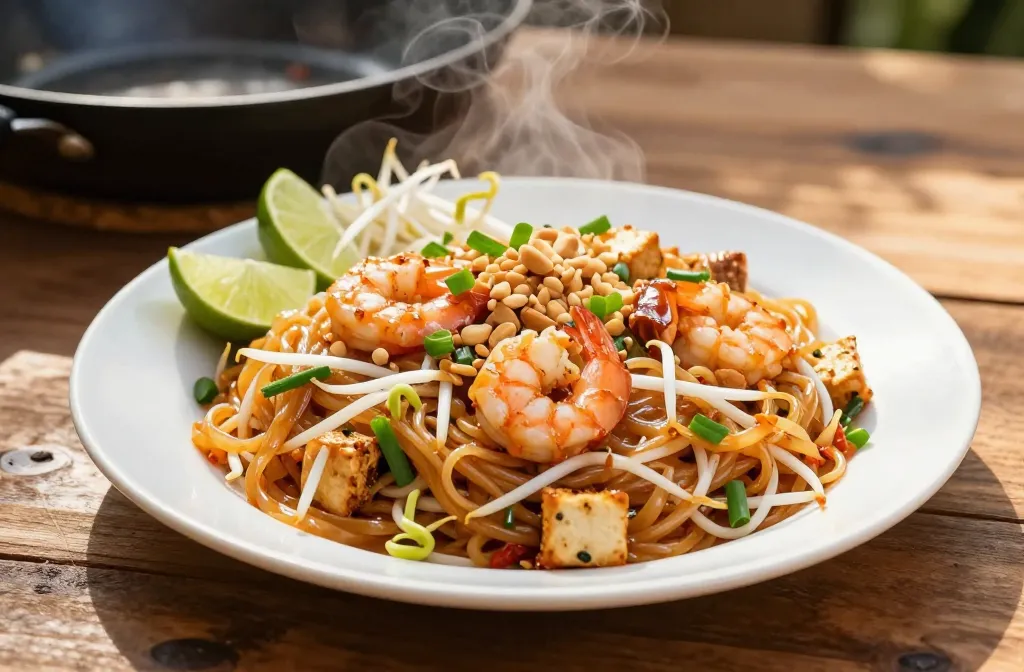
This gluten-free Pad Thai is not a sad, rice-cake substitute. It’s bright, tangy, and weeknight-friendly enough to make you believe in destiny again. No gluten? No problem. Let’s get saucy and sassy in the best way possible.
Why gluten-free Pad Thai is secretly the best Pad Thai
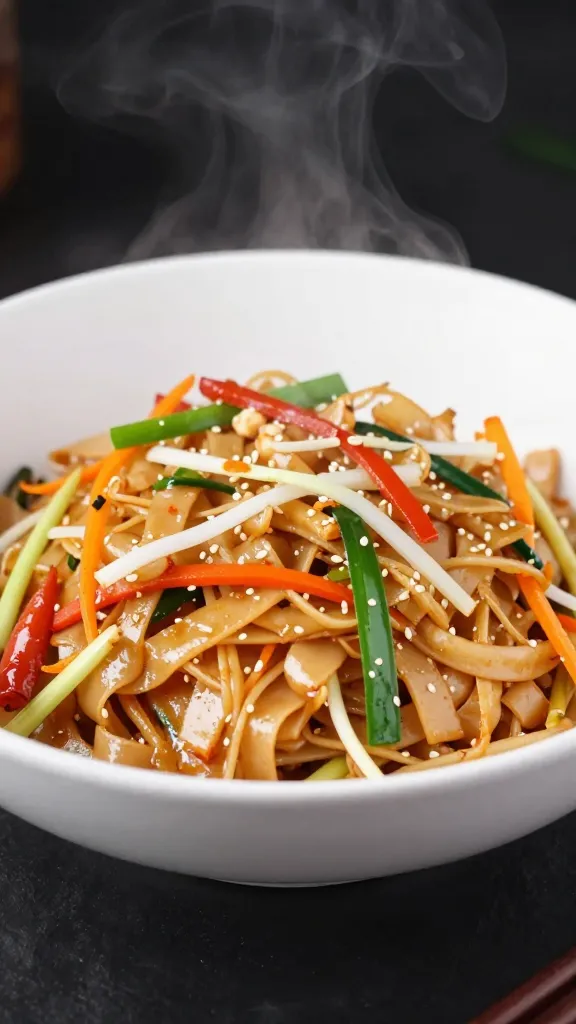
If you’ve avoided Pad Thai because you thought it needed gluteny tamarind or soy sauce with a side of gluten, think again. Gluten-free Pad Thai can be punchy, caramelized, and ridiculously satisfying. The trick is in the balance: sour from the tamarind, sweet from palm sugar, salty from soy or tamari, and a smoky bite from a hot wok. FYI, this dish forgives a lot if you don’t chase perfection—just chase flavor.
Core elements you need to nail first
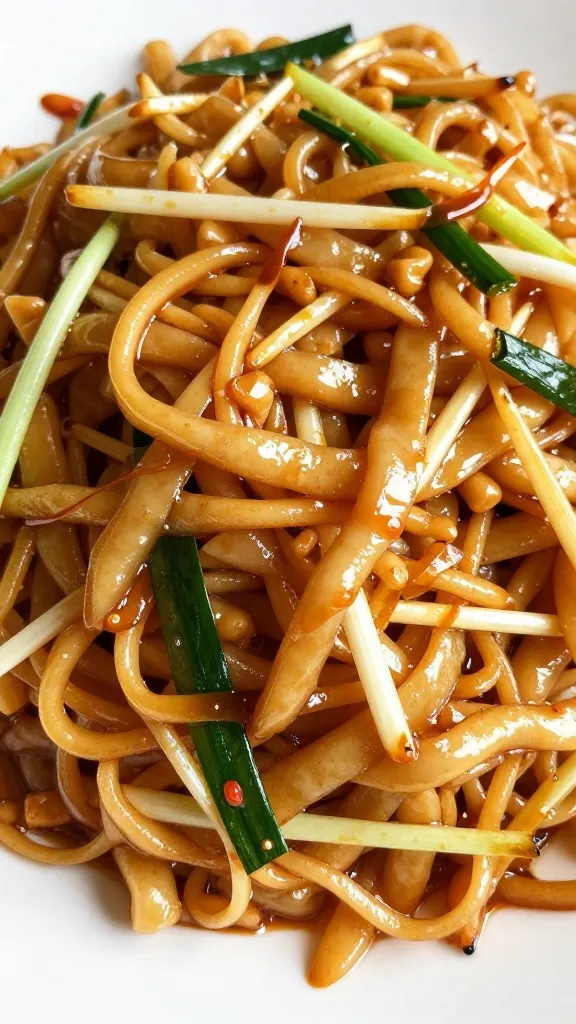
- Noodles that behave matter as much as the sauce. Rice noodles cook fast and love a quick soak—don’t oversoak or you’ll end up with slippery noodles that slide off your fork.
- Sauce that sings without gluten. Traditional Pad Thai uses fish sauce, tamarind, sugar, and sometimes ketchup. You can keep it gluten-free with tamari or coconut aminos as your salty backbone.
- Protein and crunch payoffs. Tofu, shrimp, chicken, or a combo add texture. Bean sprouts, scallions, and crushed peanuts bring the pop you crave.
Ingredients that make or break it
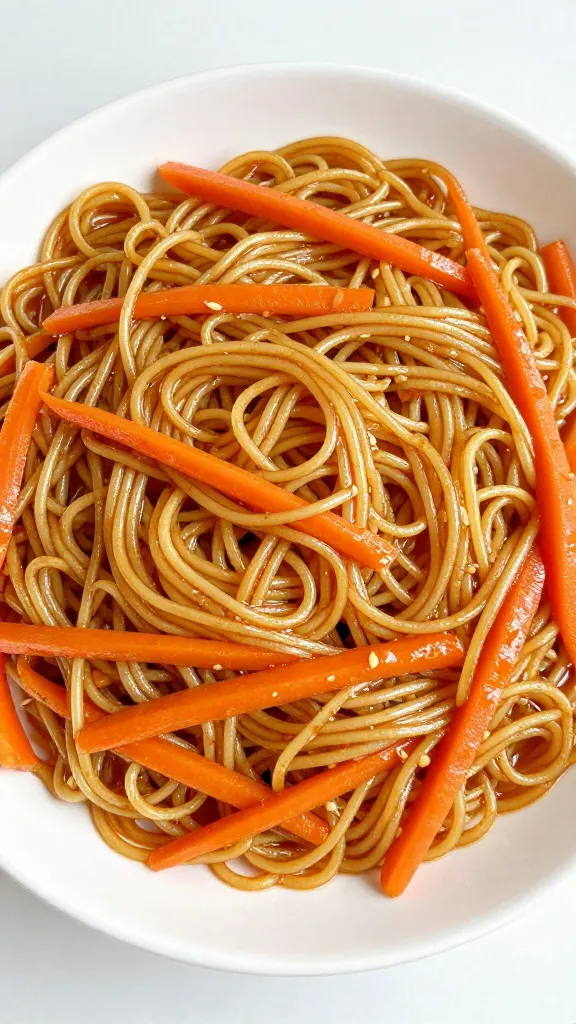
- Rice noodles, 8–10 oz
- Tamarind paste, 2–3 tablespoons (or substitute with lime juice + a touch of brown sugar)
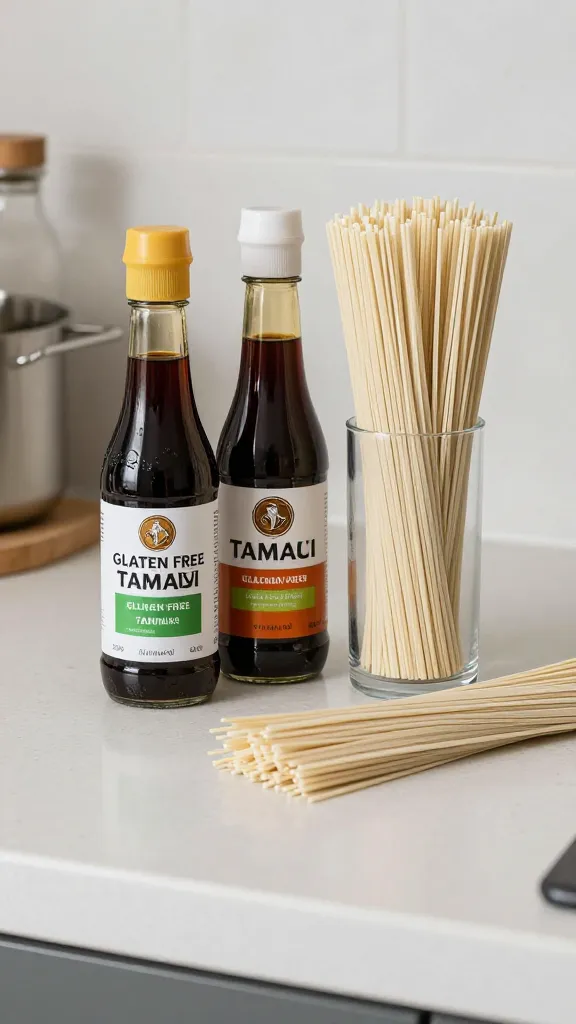
- Gluten-free soy sauce or tamari, 3–4 tablespoons
- Fish sauce or a gluten-free alternative, 1–2 tablespoons
- Palm sugar or brown sugar, 1–2 tablespoons
- Eggs, 2 (optional but traditional)
- Tofu, shrimp, or chicken for protein
- Garlic, shallots, and a chili kick (fresh or dried)
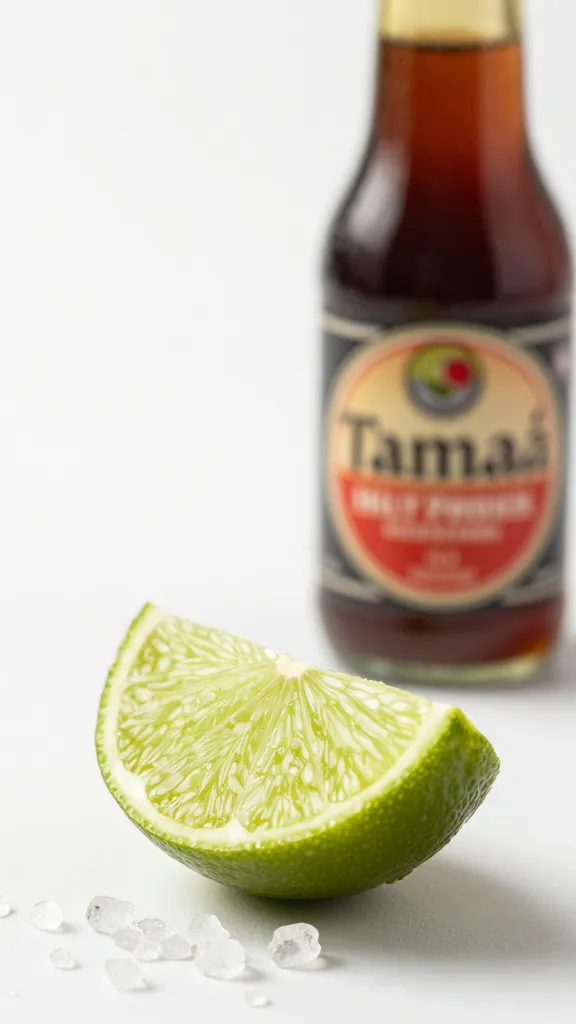
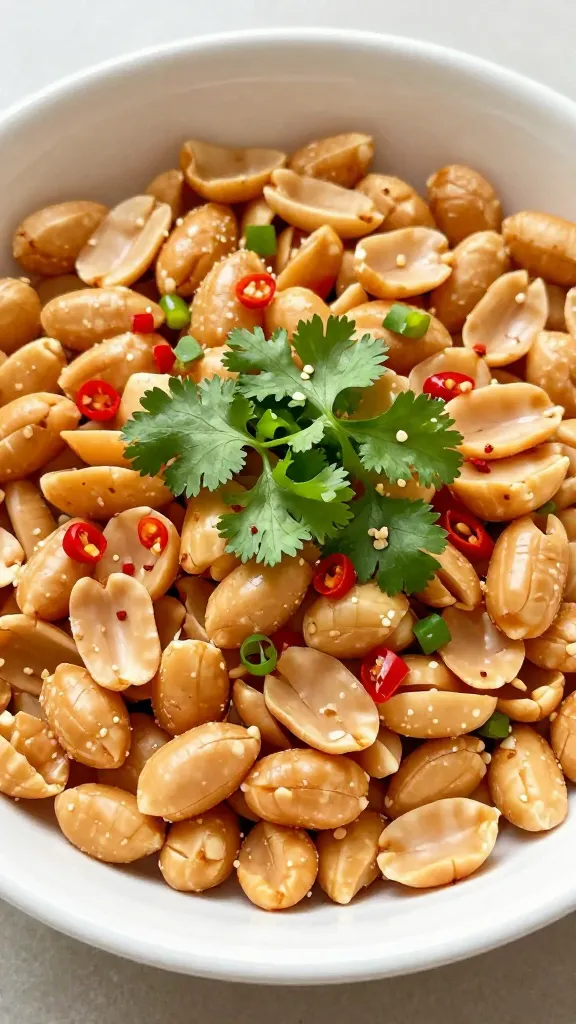
- Peanuts, lime wedges, bean sprouts, scallions for toppings
Step-by-step: a quick guide to get you there
- Soak the rice noodles until pliable but not mushy. Drain thoroughly.
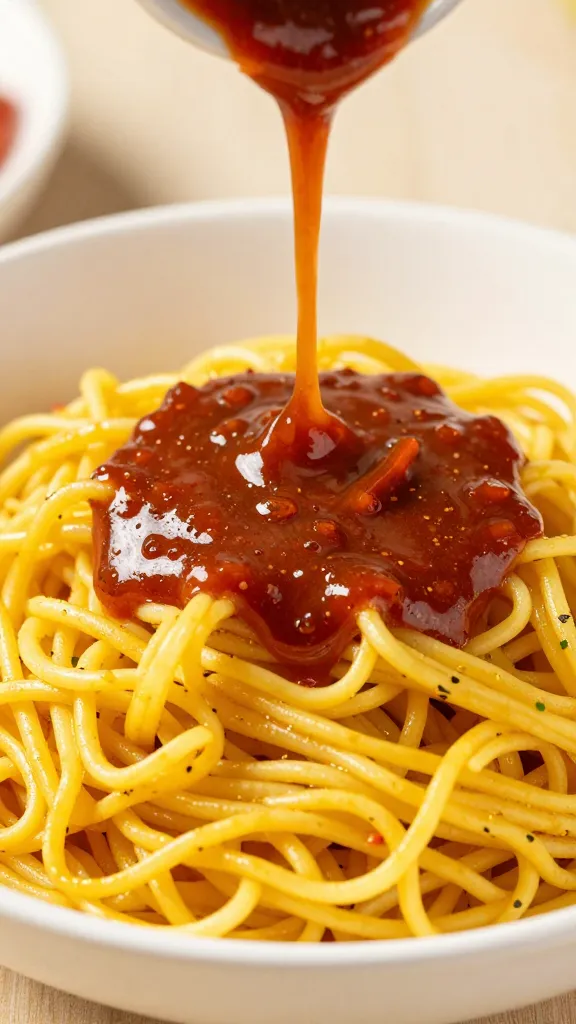
- Whisk together tamarind, gluten-free soy, fish sauce, and sugar. Adjust until it hits that sweet-sour-salty sweet spot.
- Sauté aromatics in a hot pan with oil. Add your protein and cook through.
- Add noodles and sauce. Toss like you mean it. Keep things moving so nothing sticks to the pan.
- Push to the side, crack in eggs, scramble, then fold back in. Stir in bean sprouts and scallions off heat to keep some crunch.
- Finish with peanuts, lime, and extra chili if you want a little heat. Serve hot.
Common mistakes (and how to dodge them)
Too wet or too mushy noodles
Soak time is a thing. Check the package directions and plan for 2–3 minutes less than the full soak. Rinse briefly to stop cooking and drain well.
Soggy texture from lazy tossing
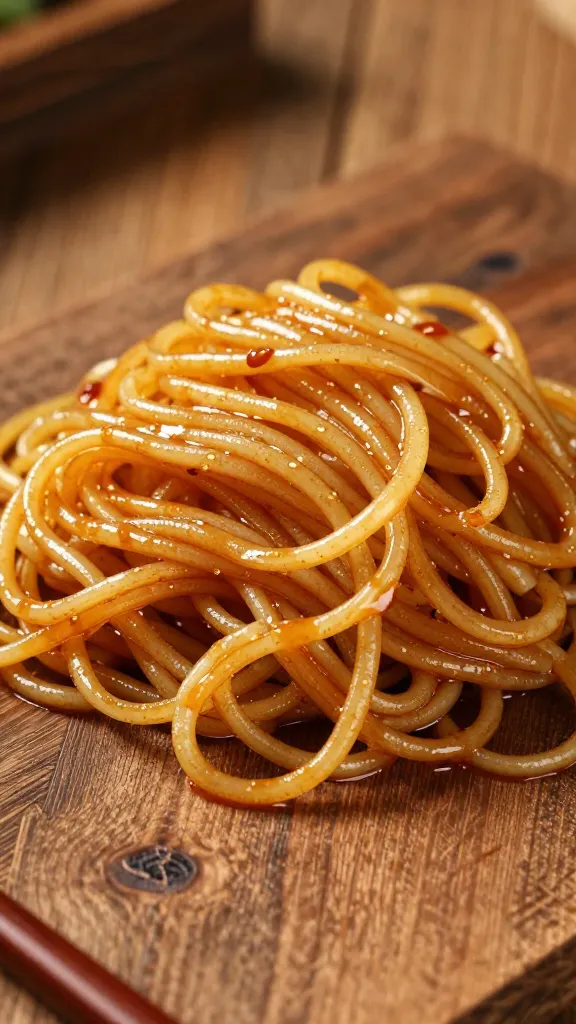
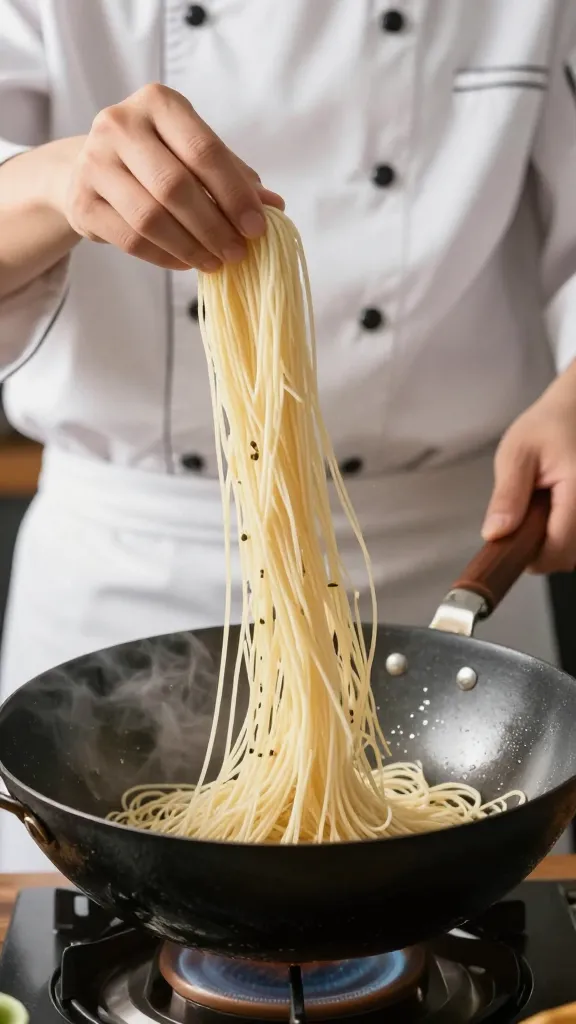
Hot wok, fast movement. Don’t walk away. Pad Thai wants quick, high-heat tossing so the noodles pick up caramelized bits.
Sauce that tastes flat
Taste as you go. If it tastes flat, add a splash more lime or a tiny pinch more sugar—balance is everything.
Under-seasoned pro tips
Use a pinch of white pepper or a tiny splash of chili oil to wake the flavors. IMO a little heat goes a long way to mimic street-vendor punch.
Variations you can actually pull off
Protein permutations
Use shrimp for a classic, swap tofu for extra crunch, or go all-out with chicken and squid for a seafood-forward version. You can mix and match based on what’s in your fridge.
Noodle swaps
Rice noodles are the traditional call, but you can experiment with glass noodles for a different texture or add a handful of spiralized veggies for color and nutrition.
Flavor twists
Add a splash of peanut butter to the sauce for a nutty depth, or toss in dried chilis for extra heat. A drizzle of sesame oil at the end can also elevate things (just a touch). FYI, coconut aminos work beautifully as a gluten-free sugar-salt combo if tamari feels too bold.
Pro tips
- Prep everything before you start the wok because Pad Thai comes together fast.
- Hot pan beats long simmer. A well-heated skillet or wok makes those noodles sing instead of steam.
- Adjust on the fly. Taste mid-can’t-believe-it and tweak salt, sweet, and sour until it makes you grin.
Ingredient swaps you’ll actually use
- Tamarind paste can be tricky; substitute with a mix of lime juice + a touch of brown sugar.
- Gluten-free soy sauce vs tamari: both work, but tamari is usually closer to traditional soy flavor with less saltiness.
- Tofu firmness: use extra-firm and press it first to get better browning.
FAQ
Q: Can I make this ahead for lunch boxes? A: Yes, but avoid adding crunchy toppings until you reheat. Store noodles and toppings separately, then combine when you’re ready to eat.
Q: Is there a dairy-free version? A: Absolutely. This dish is inherently dairy-free if you skip any butter and use plant-based oil. The key flavors come from tamarind, lime, and fish sauce or its gluten-free cousin.
Q: How spicy should it be? A: Start mild, then add chili oil or fresh chilies to taste. You can always add more, but you can’t take it out once it’s in.
Variations (quick hits)
If you’re after a few themed takes, try these:
- Sweet chili chicken Pad Thai with a citrusy finish
- Spicy shrimp Pad Thai with extra peanuts for crunch
- Tofu-loaded veggie Pad Thai for a lighter, veggie-forward option
How to judge a great gluten-free Pad Thai
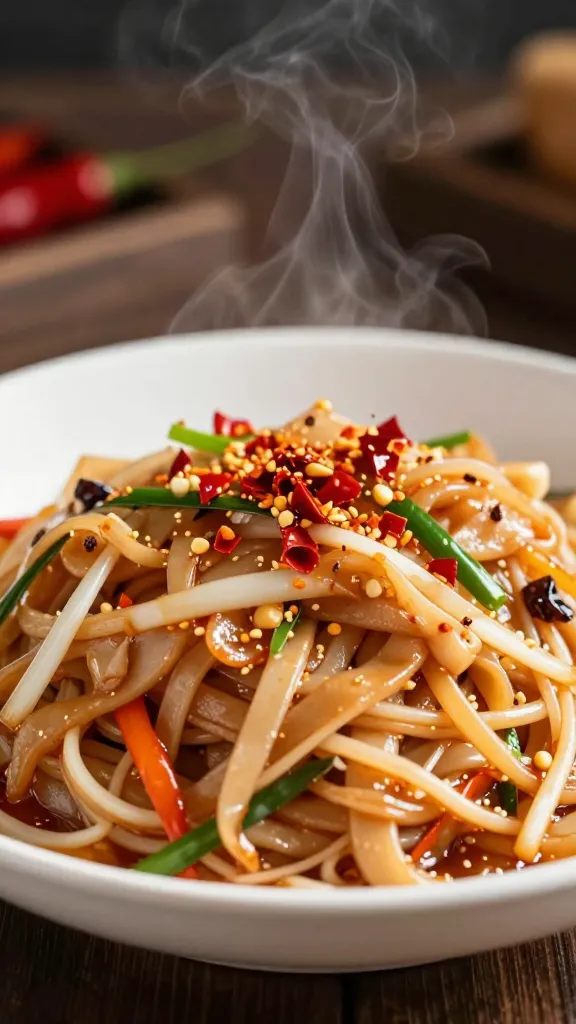
Texture should be a balanced tango between chewy noodles and crispy toppings. The sauce should coat each strand—think glossy, not gloopy. And the finish should leave you wanting another bite, not a glass of water to chase away saltiness. If all that happens, you’ve nailed it.
Comparison blocks
Traditional vs gluten-free Pad Thai
Traditional uses wheat-based components like certain sauces or thickeners. Gluten-free swaps tamari or coconut aminos and keeps tamarind and fish sauce in play. Flavor remains bold, so don’t worry about losing punch—you’re just trading gluten for gluten-free grit.
Pan-fry vs stir-fry approach
Pan-fry methods can give a crisp edge to the noodles, while a quick stir-fry keeps everything tender. Both work; just adjust heat and timing to keep the dish cohesive and not mushy.
Conclusion
This gluten-free Pad Thai is your new weeknight hero. It forgives slow-cooking mistakes and rewards quick, confident moves in the kitchen. IMO, it’s the kind of dish that makes you smile after the last bite and immediately plan a remix for next week. So grab tamari, tamarind, and a bag of rice noodles, and get ready to chow down on something that tastes like a victory lap.