
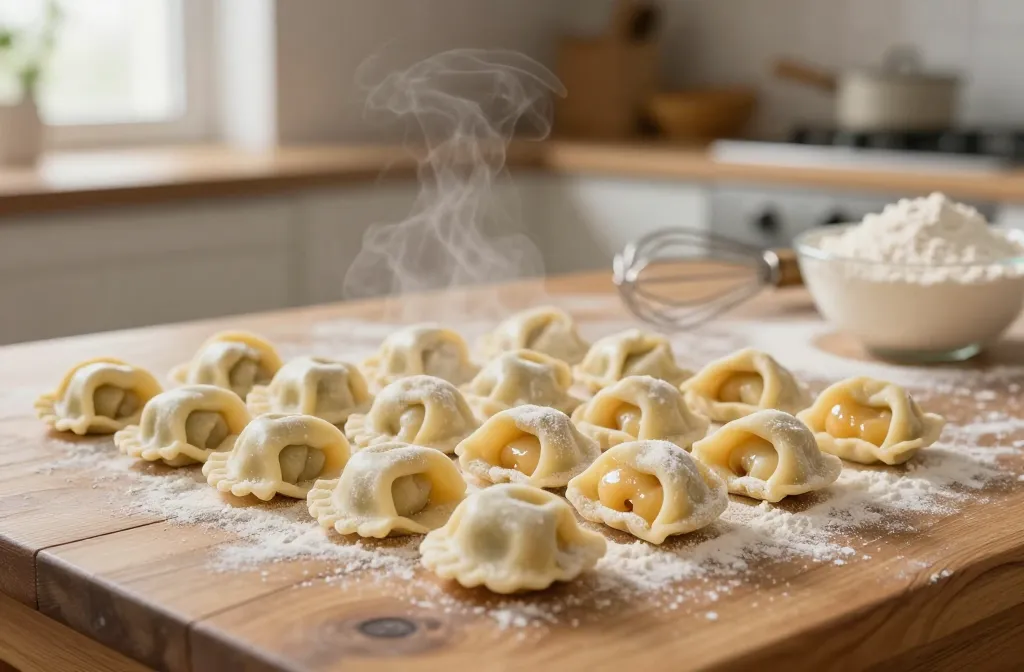
From scratch to dreamily chewy pockets of joy, fresh gluten-free tortellini is absolutely doable at home. No giant mixer or special machine required—just good vibes, a pinch of patience, and a little technique. Ready to impress your pasta-loving friends without gluten chaos? Let’s dive in.
What makes fresh gluten-free tortellini special
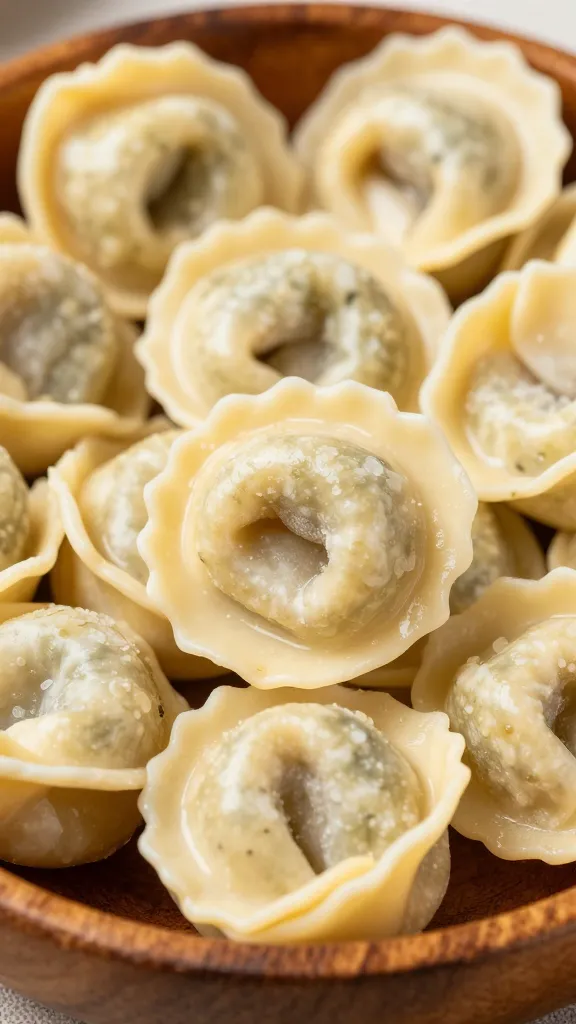
Fresh pasta is all about texture and flavor, and gluten-free dough brings its own quirks. It won’t stretch the same way wheat dough does, but it damns the crustiness with a silkier, more delicate bite when you handle it right. The secret? a balanced dough, proper filling, and a gentle seal that hugs every little nubbin of cheese or veg inside. FYI, this isn’t a sprint—think cozy kitchen experiment with a delicious payoff.
Choosing your gluten-free route
There are a few ways to approach gluten-free tortellini, and you can pick based on what you’ve got in the pantry.
All-purpose gluten-free flour blends
– Look for blends that include rice flour, tapioca, and xanthan gum for elasticity.
– You’ll typically roll the dough thinner than regular pasta to compensate for density.
– Pro-tip: sift the flour before measuring to avoid gritty pockets.
Rice flour or durum-inspired mixes
– Rice flour-based doughs can feel a touch grainy if not hydrated properly.
– Add a touch of oil and a splash of water as you go to smooth things out.
– This route often yields silky dough, but it may crack if you overwork it.
Egg-based doughs (for richness)
– Eggs add structure and tenderness, but you can opt out if you need dairy-free.
– If your mix is vegan, replace eggs with a flaxseed or chia “egg” binder and a touch more liquid.
– You’ll get a dough that handles nicely and fries up with a beautiful sheen.
Filling ideas that pairing well with gluten-free shells
A great tortellini sings because of its filling. Keep it balanced; you want enough moisture to stay put inside the pocket but not so wet that you leak.
- Classic cheese blend: ricotta, parmesan, lemon zest, salt, pepper
- Spinach and feta with nutmeg for a savory punch
- Mushroom and garlic with herbs for a robust bite
- Butternut squash and sage for a sweet-salty twist
Tips for the perfect filling
– Drain any excess moisture from vegetables or cheese to keep dough from getting soggy.
– Chill the filling for 15-20 minutes before forming pockets — helps seal them tight.
– Don’t overfill; a small mound is easier to seal than a volcano.
Dough: the make-or-break
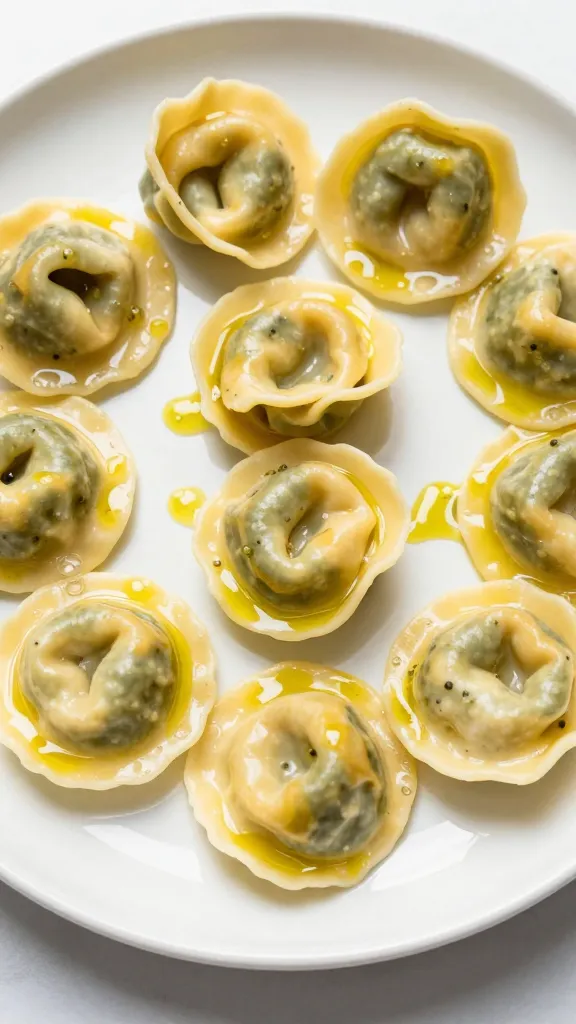
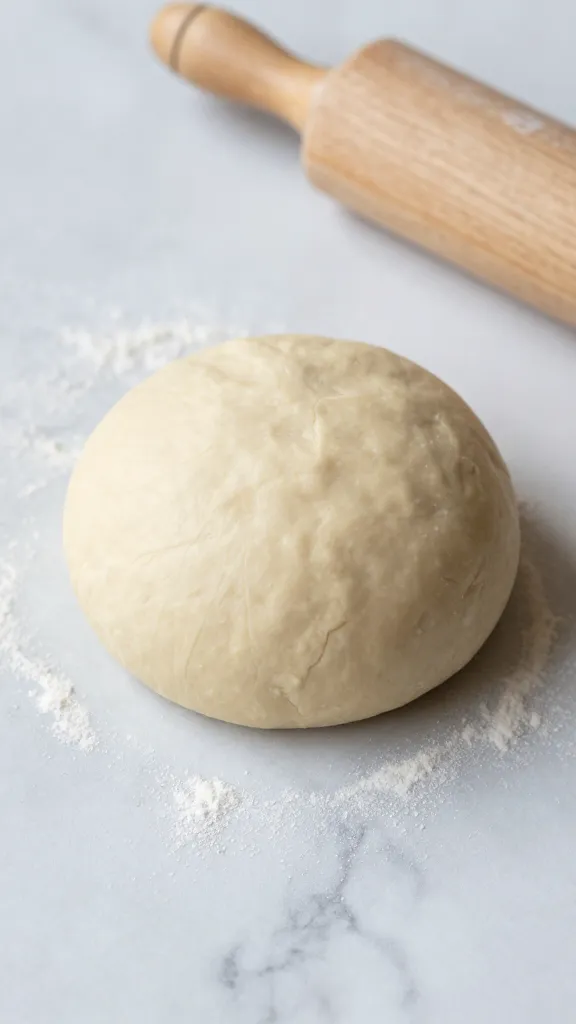
Dough texture makes all the difference in gluten-free cooking. You want something that’s pliable but not crumbly, silky but sturdy enough to seal.
Water temps and hydration
– Start with lukewarm water and add gradually; gluten-free blends can soak up more liquid than you expect.
– If the dough feels dry, add a teaspoon of water at a time until it comes together.
Rolling and cutting strategy
– Roll as thin as you can without tearing—think thin enough to see your fingerprints through.
– If your dough sticks, dust with a tiny bit of the flour blend, not too much.
– Work quickly to prevent cracking; gluten-free dough cools and stiffens fast.
Shaping tortellini: seal with confidence
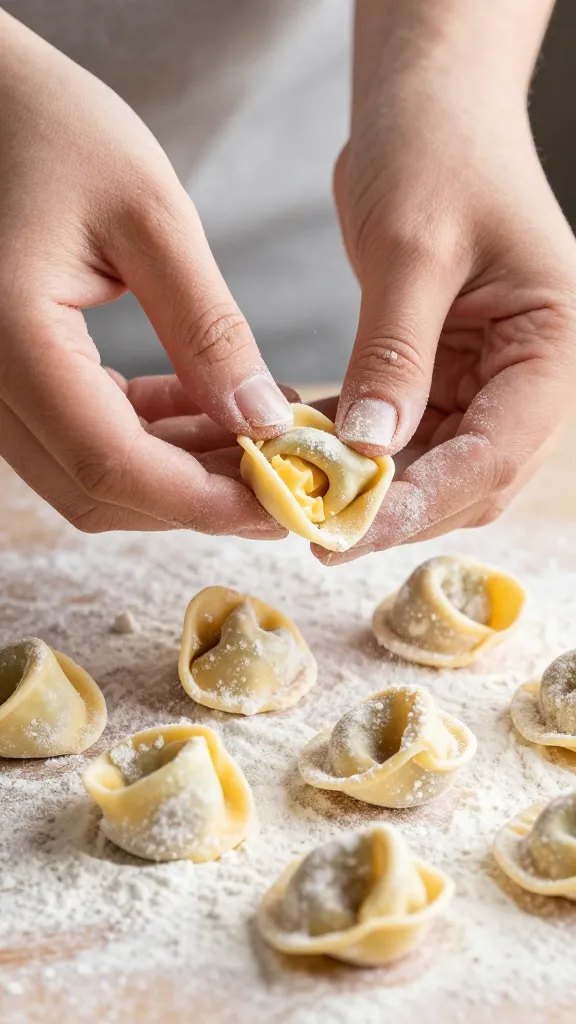
Here’s the fun part: turning circles of dough into little stuffed hats.
- Cut rounds with a mug or a small cookie cutter.
- Place a small spoonful of filling in the center of each round.
- Fold into a half-moon, press the edges to seal, then bring the corners together to form the classic tortellini shape.
- Seal well to prevent filling from bursting during cooking.
Common shaping pitfalls (and how to avoid them)
– Overstuffing causes leaks—keep it modest.
– Edges not sealed? Brush with a little water or beaten egg to help adhesion.
– Too thick dough around the filling? Roll a touch thinner and flatten edges for a smoother seal.
Cooking gluten-free tortellini
Fresh tortellini cooks quickly. You’re aiming for al dente with a tender center.
- Use a large pot of salted boiling water.
- Gently add tortellini in a single layer so they don’t stick together.
- Cook for 2-4 minutes after they float to the surface. Taste one to check texture.
- Drain carefully and toss with sauce or a quick pan-sauté to coat.
Sauce pairings that scream “delicious”
– Brown butter, sage, and a sprinkle of parmesan
– Creamy lemon garlic sauce for brightness
– Marinara or a light olive oil and chili kick for contrast
– Pesto with toasted pine nuts for a vibrant finish
Pro tips, common mistakes, and variations
Pro tips
– Chill dough before rolling if it’s too sticky; cold dough handles better.
– Keep a damp towel over unused dough to prevent drying out.
– If your kitchen is warm, work in shorter bursts and rest dough in the fridge between batches.
– For dairy-free versions, use olive oil in the dough and vegan cheeses for filling.
Common mistakes
– Dough tears during rolling because it’s too dry or too wet—adjust hydration gradually.
– Filling leaks out because edges aren’t sealed, or the dough’s too thick around the filling.
– Overcooking: gluten-free dough can go from tender to mushy if left too long.
Variations
– Spinach and mushroom filling with garlic and thyme
– Lemon ricotta with lemon zest and black pepper for a bright bite
– Roasted butternut squash with sage and parmesan
– Spinach, feta, and sun-dried tomato for a Mediterranean vibe
Comparison blocks
– Traditional wheat vs. gluten-free dough: wheat tends to be more forgiving and chewy; gluten-free dough can be more fragile but yields a delicate, tender bite when handled well.
– Fresh vs. dried gluten-free tortellini: fresh cooks faster and tastes brighter; dried takes longer and needs more robust sauces to shine.
– Egg-based dough vs. dairy-free: eggs add structure and flavor; dairy-free relies on binding agents and can be a touch sturdier when rolled thin.
FAQ: quick answers to common questions
Can I freeze gluten-free tortellini? Yes. Lay them on a flour-dusted tray to freeze individually, then transfer to a bag. They’ll keep well for a couple of months. Boil a few extra minutes from frozen.
Do I need special equipment? Not really. A rolling pin, a sharp knife or small circular cutter, and a bit of patience do the trick. A pasta machine helps, but it isn’t mandatory.
What if my dough cracks? Rest the dough, wrap it, and give it a bit more hydration. If that fails, roll a bit thicker and reseal with a gentle touch.
Are gluten-free tortellini heavier? They can feel denser due to the flour blend, but proper hydration and thin rolling keep them light and delicate.
Conclusion
Gluten-free tortellini can be a totally satisfying weeknight project or a weekend showstopper. When you nail the dough, seal, and filling, you get little pockets of comfort that taste like a win. So grab your flour blend, roll with care, and don’t be afraid to laugh at any imperfect corners—the sauce will cover a lot of ground. Ready to pair with your favorite sauce and celebrate your first success? IMO, you’re going to want seconds.