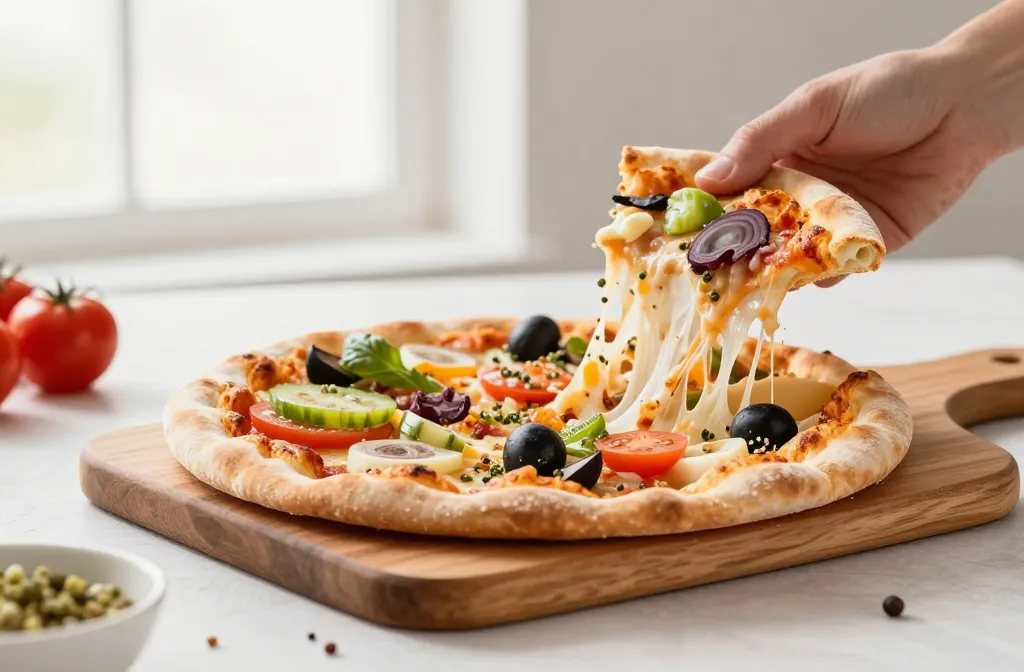
It’s possible to have a gluten-free pizza crust that’s light, crispy, and gentle on the gut—no yeast, no gas, just bliss on a slice. Yes, you heard me right. We’re talking about a crust that stands up to toppings without turning your belly into a drum circle. Let’s bake, friend.
What makes a gluten-free, no-yeast crust so different
Gluten-free dough behaves like a shy cat: it sticks, it flops, it surprises you. Without gluten’s structure, we lean on clever combos, binding agents, and the right kind of starches to get that crisp bite. No yeast means no rising drama either, so the texture needs to come from flour blends and technique. The goal? A crust that stays light, cooks through, and doesn’t give you gas or bloat. Simple, right? IMO, yes.
The best base: flour blends that actually work
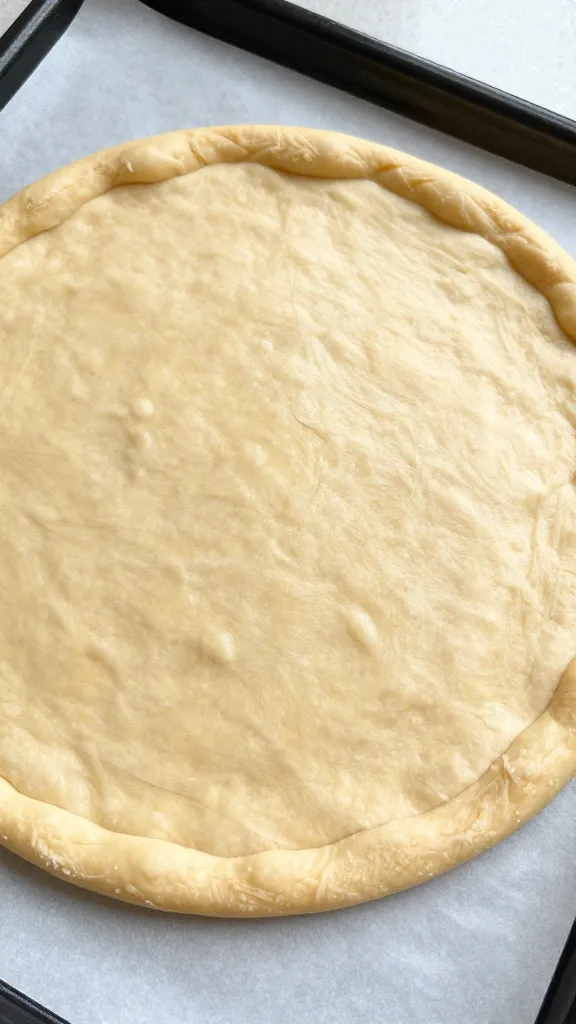
When you’re avoiding yeast, your flour choice matters more than ever. Look for blends that include
- Rice flour or sorghum for lightness
- Tapioca or potato starch for stretch and crisp
- A binding agent like xanthan gum or psyllium husk
Troubleshooting tip: if your dough feels crumbly, you probably need a touch more liquid or a pinch more xanthan gum. If it’s gluey, ease off the liquid a bit. Every blend is a little different, so you’ll learn your go-to proportions with a few bakes.
Texture tricks: getting light and crispy without yeast
This is the fun part. You want air, not heaviness. Here are the moves:
- Mix dry and wet separately, then combine just until unified. Overworking = dense crust.
- Use a hot pan or preheated stone to start crisping the base from the bottom.
- Roll thin or press thin; you’ll get a crisp edge without sacrificing center bite.
- Add a little fat—olive oil or melted butter helps browning and flavor.
FYI, gas-free pizzas start with digestion-friendly toppings, but let’s not blame the crust alone. A light, crisp crust helps you avoid that bloating feeling common with heavy, chewy gluten-free crusts.
Make it easy: no-yeast crust recipe (quick-start)
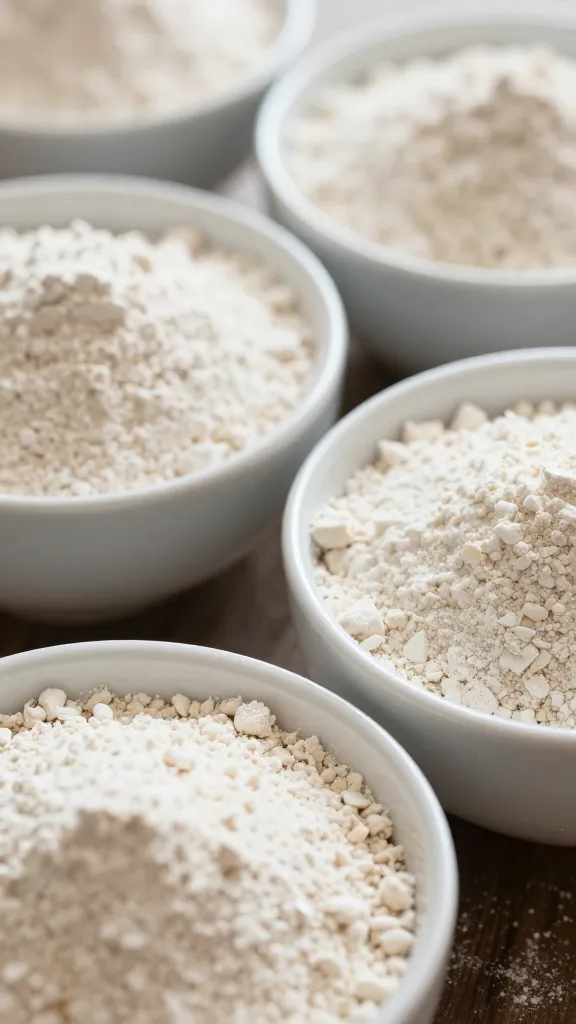
Here’s a straightforward approach you can actually finish before your hunger mutiny.
- In a bowl, whisk together 1 cup gluten-free flour blend, 1/4 cup tapioca starch, 1/4 cup potato starch, 1/2 teaspoon salt, and 1/2 teaspoon xanthan gum.
- In another bowl, whisk 1/2 cup warm water, 2 tablespoons olive oil, and 1 tablespoon apple cider vinegar.
- Combine wet and dry just until moistened. If the dough is too dry, add a teaspoon of water at a time until it holds together.
- Shape into a disk, place on a parchment-lined baking sheet, and press or roll to about 1/8-inch thickness for crisp edges.
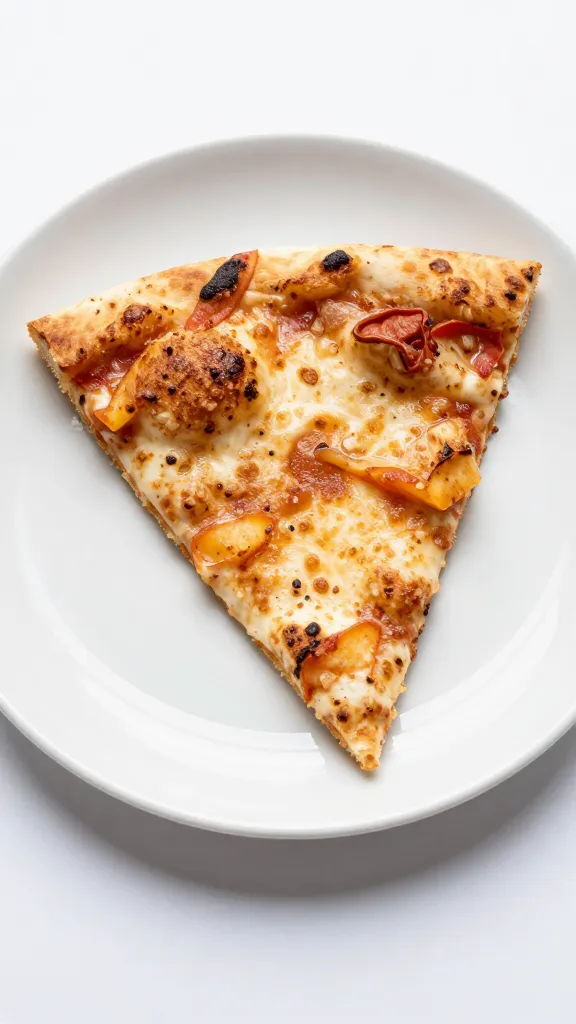
- Bake at 450°F (232°C) for 8-10 minutes, then top and bake 5-7 minutes more until golden and crisp.
Variations you can try:
- Herbed olive oil crust: brush with a mix of olive oil and garlic powder before the first bake.
- Cheesy crunch: add 2 tablespoons grated parmesan to the dry mix for extra browning.
- Whole-food boost: fold in 1 tablespoon ground flaxseed for a little nutty taste and extra fiber.
Tips for best results
- Preheat that baking sheet. A hot surface makes crusts crisp from the bottom up.
- Roll or press thin and even. Uneven spots burn or stay soft.
- Let the crust rest a few minutes after shaping. It holds together better when it cools slightly.
Ingredient swaps
- Oil: swap in melted coconut oil for a different flavor, or use ghee if dairy isn’t an issue.
- Flour blends: try a blend with equal parts rice flour and millet flour for a lighter bite.
- Binding: psyllium husk can replace xanthan gum if you’re avoiding gums; use 1 teaspoon psyllium with 3 tablespoons water and let sit 5 minutes.
Pro tips for gas-free glory
Gas isn’t just about the crust; toppings matter too. But the crust can help minimize gas because it’s light and easy to digest when done right.
- Choose toppings that are easy to digest: lean proteins, non-cruciferous veggies, and dairy-free options if dairy bothers you.
- Skip overly saucy builds. A thin layer of sauce keeps the crust from becoming soggy and gross.
- Cook toppings separately when possible. Then assemble to finish in a hot oven for a crisp bite.
Common mistakes (and how to avoid them)
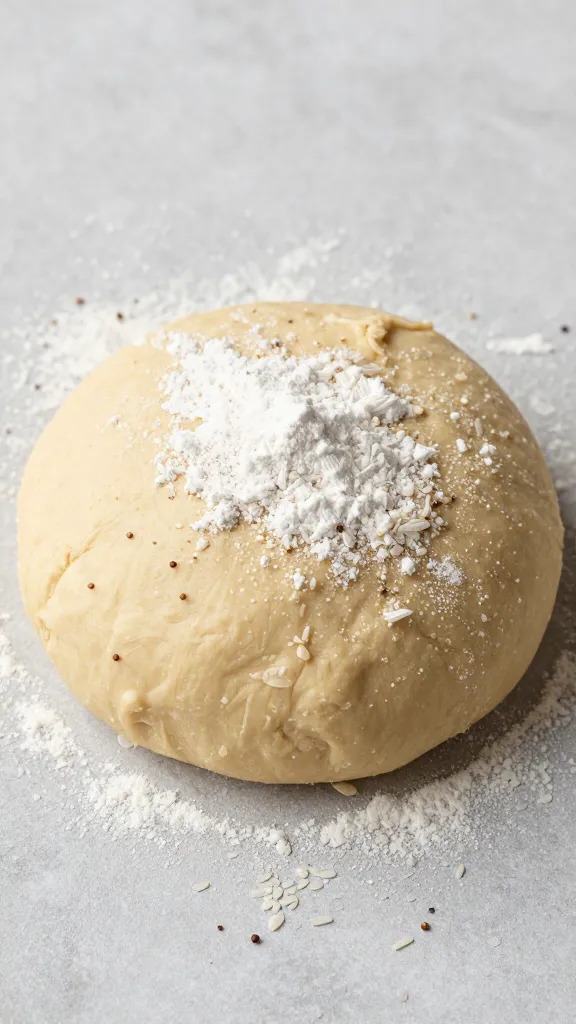
- Too thick = soggy center. Roll thin, even, or press very thin for crispness.
- Overhydrated dough = sticky mess. Add liquid gradually and don’t overmix.
- Not preheating the pan. A cold surface won’t brown the crust. Give it a hot start.
- Using yeast by accident. No yeasty behavior here—stick to no-yeast methods and you’ll thank yourself later.
Variations to jazz up your no-yeast crust
- Garlic-herb crust: add 1/2 teaspoon garlic powder and 1 teaspoon dried oregano to the dry mix.
- Sun-dried tomato twist: stir in 1 tablespoon finely chopped sun-dried tomatoes for a punch of flavor.
- Sesame crust: sprinkle sesame seeds on top before baking for a nutty crunch.
Comparison blocks
Here’s how this no-yeast gluten-free crust stacks up against other common options:
- No-yeast gluten-free crust: crisp, quick, and gut-friendly; best for busy nights and light toppings.
- Yeast-based crust: loftier, chewier; gas issues can sneak up for sensitive tummies.
- Store-bought frozen crusts: convenient but often dense and gummy; less control over ingredients.
- Cauliflower crust: lower gluten, higher moisture risk; great with strong toppings but can crack if overcooked.
FAQ
Q: Will this crust really not cause gas?
A: It’s designed to be gentler on digestion by avoiding gluten and yeast and using simple ingredients. Gas is influenced by many factors, including toppings and individual tolerance. Start with a light topping lineup and see how your body handles it. FYI, adjust portions and ingredients based on your own reactions.
Q: Can I freeze the crust?
A: Yes. Assemble, par-bake, and freeze flat. When ready to eat, bake straight from the freezer for extra crispness. If you freeze unbaked, wrap well to avoid freezer burn.
Q: Is this crust vegan?
A: It can be. Use plant-based milk or water and omit dairy toppings. If you’re using cheese, choose a dairy-free option or skip cheese for a lighter crust that stays crisp.
Bottom line: why this crust works for real-life pizza nights
This no-yeast gluten-free crust is quick, friendly to digestion, and surprisingly forgiving. It gives you a sturdy, light bite that holds toppings without turning into a doughy mess. It’s not a fancy trattoria crust, but it’s a dependable workhorse for weeknights, movie nights, or when you just want pizza without the post-pie bloat. IMO, it’s a keeper.
Conclusion
If you want gluten-free pizza that stays crisp and invites topping joy without gas, this no-yeast approach is your new best friend. It’s easy, flexible, and really forgiving once you get the hang of your flour blend. So roll it thin, preheat hot, and let the toppings do the talking. Happy baking, friend.