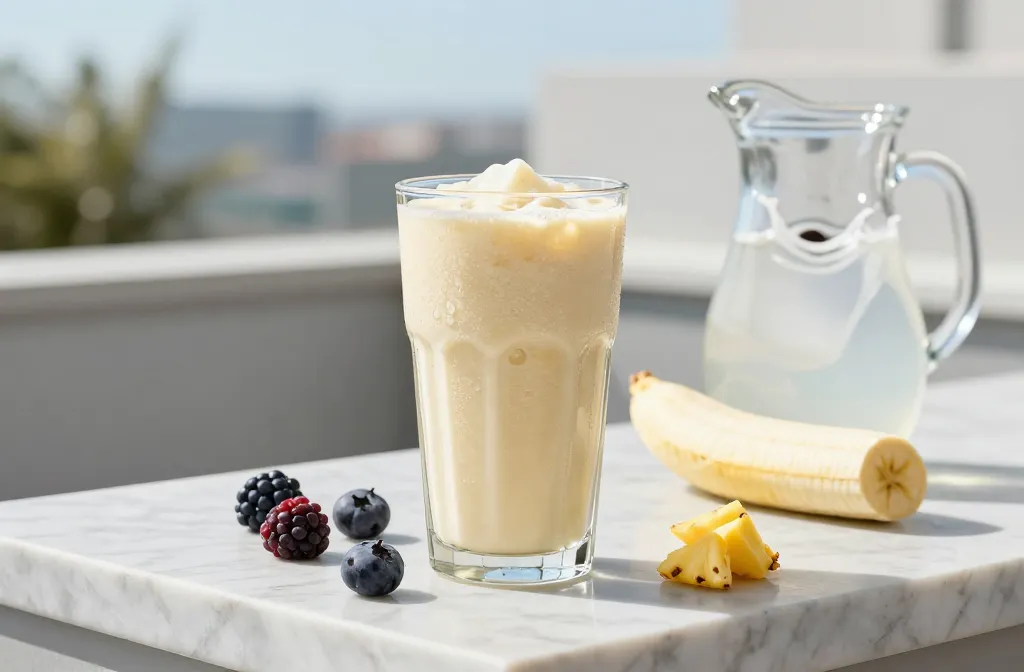
It only takes a sip to feel that zing—cool, clean, and just a tad fancy. Gluten-free iced smoothies that don’t bloat can be your new summer BFF. No chalky aftertaste, no steamroller of a tummy, just refreshing goodness that slides down easy. Ready to sip smarter? FYI, you’re about to become a smoothie whisperer.
Why gluten-free smoothies can feel lighter (and why some don’t)
Gluten isn’t the villain in every blender, but for some of us it’s a sneaky cloud that lingers after a sip. The culprit isn’t gluten itself—it’s often the mix of lactose, certain high-FODMAP ingredients, or overly thick textures that sit like a brick in the stomach. The trick to a bloating-free sip is choosing ingredients that your gut actually enjoys and blending to a crisp, drinkable consistency. Simple, right? Not always, but we’ll get you there.
Key players you’ll want in your glass
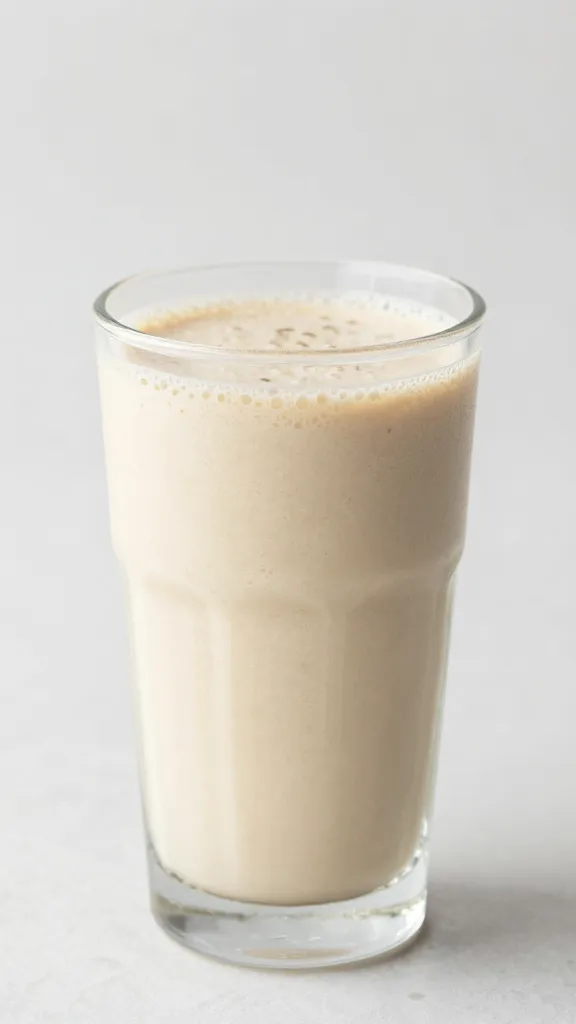
Liquids set the vibe. Coconut water, almond milk, oat milk (gluten-free certified), or simple water all work. Look for options with minimal additives and no added sugars you don’t need.
Base fruits keep things bright without overloading: berries, pineapple, mango, banana in moderation. If banana tends to sit heavy on your stomach, you can swap in avocado for creaminess and a gentle profile.
Protein and texture help you feel satisfied without bloating. Greek yogurt, dairy-free yogurt, or a scoop of white chia seeds can give you that velvety body without puffiness—provided you tolerate dairy and you keep portions sensible.
Fibers that travel well include chia seeds, flaxseed, and a handful of spinach. They bring you bulk without the bulk that makes you feel stuffed, if used mindfully.
Flavor boosters come from citrus zest, mint, ginger, vanilla, or a dash of cinnamon. They punch up taste without heaviness.
5-ingredient starter recipes that actually work
- Berry-Garden Glow: 1 cup almond milk, 1 cup frozen berries, 1 tablespoon chia seeds, 1 handful spinach, splash of lime juice
- Sunny Pineapple Mint: ¾ cup coconut water, ¾ cup pineapple, ½ avocado, a few mint leaves, squeeze of lime
- Banana-Not-Bananasplit: ½ frozen banana, ½ cup Greek yogurt, ½ cup blueberries, ½ cup ice, pinch of cinnamon
- Ginger Citrus Zing: 1 cup oat milk (gluten-free), ½ cup mango, ½ cup spinach, 1 teaspoon grated ginger, splash of orange juice
- Green Delta Smoothie: 1 cup coconut water, 1 cup kale, ½ avocado, ½ cucumber, 1 tablespoon hemp seeds
Want a quick approach? Use a base of gluten-free milk or water, add a fruit or two, toss in a fiber boost, and finish with a bright zing. Keep the portions friendly, and you’ll dodge the bloat without sacrificing flavor.
Techniques to keep it light and refreshing
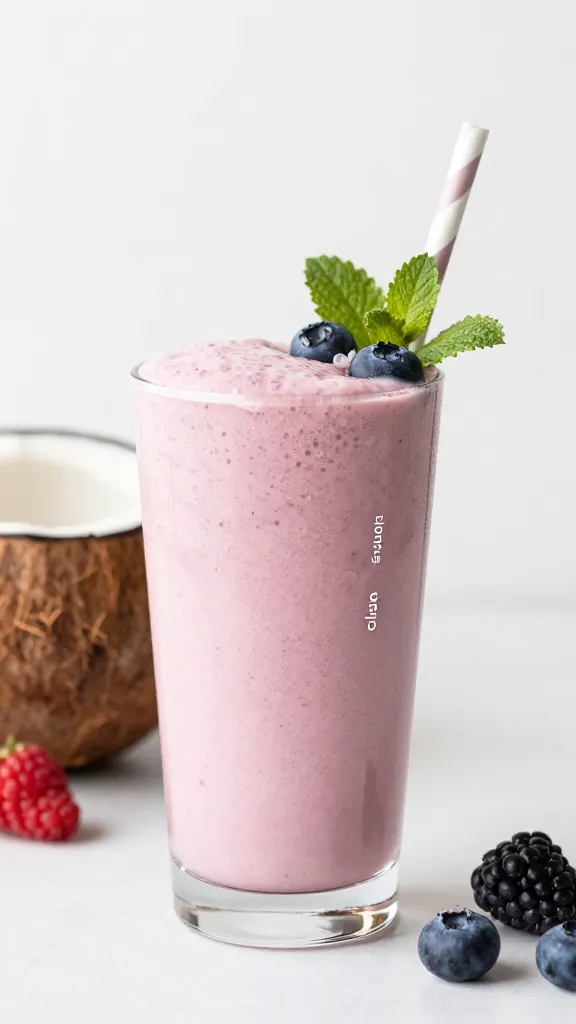
Ice alone won’t cut it if you’re chasing a crisp, refreshing sip. Consider these moves to keep texture smooth and tummy happy.
- Blend short bursts and pause. Give your blender a break to prevent frost-bitten blades and a sludgy finish.
- Chill ingredients before blending. Cold ingredients feel lighter and taste sweeter with less sweetener.
- Smart sweetness comes from fruit beyond just bananas. Berries, melon, or citrus provide tang without heaviness.
- Leave room for air. If you blend until ultra-smooth, you’ll get a better mouthfeel that won’t cling to your gut.
Common mistakes that lead to bloat (and how to fix them)
Overdoing the dairy
Dairy can be a bloater if you’re sensitive. Swap to dairy-free yogurt or use plant milks that you tolerate well. If dairy works for you, keep portions modest and pair with gut-friendly fibers.
Too much fiber, too fast
Chia, flax, and greens are great, but piling in too much fiber at once can backfire. Start with small amounts and build up as your gut adapts.
Heavy texture, heavy tummy
Thick smoothies feel luxurious, but they can sit like a rock. Aim for a pourable, spoonable texture. If it’s too thick, thin with more liquid or ice, not more dairy.
Ingredient swaps for better digestion
Swap ideas
- Use lactose-free yogurt or Greek yogurt blend for a smoother texture.
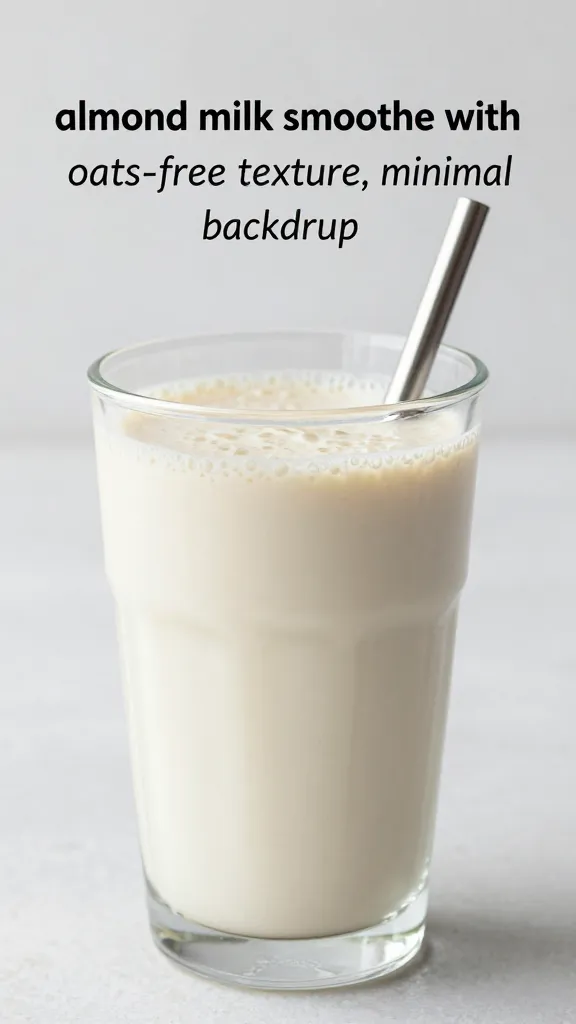
- Switch almond milk with oat milk that’s certified gluten-free if you tolerate oats well.
- Replace banana with avocado or pear to cut down on resistant starch that can cause gas for some.
- Try pineapple or papaya to aid digestion thanks to natural enzymes.
Tips for best results
- Add seeds only after the blend is smooth to avoid gritty textures.
- Pour into a chilled glass for extra refreshment.
- If you want extra protein without bloating, use a small scoop of bland whey isolate or a pea-protein option that agrees with you.
Pro tips for a smoother ride
- Freeze fruit portions in ready-to-blend bags so you skip the ice-crush drama while keeping it light.
- Keep a “backup” liquid on hand: a bit of coconut water with a splash of lime can wake up any tired batch.
- Label portions if you batch-make. You’ll thank yourself when the craving hits without guesswork about ingredients.
FAQ
Are gluten-free smoothies automatically bloating-free?
No. Gluten-free helps if gluten was your trigger, but bloating can come from dairy, high-FODMAP ingredients, or simply too much fiber. Read labels and listen to your gut. IMO, it’s about personalization.
Can I make these ahead for a quick grab-and-go?
Yes. Freeze blended smoothies in ice-cube trays or silicone molds. Then just blend with a splash of liquid to revive. It’s like a She-Ra of convenience, but cooler.
What about sweeteners?
Keep it natural: ripe fruit, a dash of vanilla, or a squeeze of citrus. If you need extra sweetness, use a small amount of maple syrup or honey (if you tolerate it) and watch your portion sizes. FYI, the aim is light, not dessert-level indulgence.
Which ingredients tend to cause bloating for many people?
Common culprits include dairy, high-FODMAP fruits (like apples or pears for some), and large amounts of cruciferous greens. Start with friendly options like berries, pineapple, spinach, and cucumber, and adjust slowly. IMO, the simplest path is the best path.
Variations to keep it exciting
- Morning citrus cooler: orange, mango, spinach, coconut water
- Minty green glow: pineapple, kale, cucumber, mint, lime juice
- Spiced autumn breeze: pear, pumpkin seeds, cinnamon, almond milk
- Beachy berry blast: mixed berries, coconut yogurt, blueberries, a splash of lime
Comparison: dairy-free vs. dairy-friendly bases
Texture and taste
Dairy-based smoothies often feel creamier and thicker, which some find luxurious but others find heavy. Dairy-free bases rely on nut milks or coconut water, offering a lighter finish with a touch of natural sweetness. Both can be delicious—just pick your vibe for the day.
Digestive impact
Dairy can upset sensitive stomachs, especially if you’re lactose intolerant. Plant-based bases reduce that risk, but you still need to choose gluten-free and non-GMO ingredients if you’re avoiding additives. IMO, go dairy-free for a lighter, bloat-free experience if dairy is a problem for you.
Convenience and shelf life
Plant-based milks often have a longer shelf life and are easier to keep on hand. Dairy beverages tend to need refrigeration and have a quicker turnaround. Both are easy to work with—just keep a well-stocked fridge and you’re set.
Conclusion
Gluten-free iced smoothies can be as buoyant as a summer breeze and as satisfying as a weekend brunch, without that uncomfortable bloating vibe. Start with light bases, gentle fibers, and bright flavors. Tune the sweetness to your taste, not to a dietary myth. You’ve got this—sip, smile, repeat.
If you’re craving more personalized combos, hit me with what you tolerate ( dairy, gluten status, and any triggers), and I’ll tailor a round of refreshing, light smoothies you’ll actually reach for.