

It’s possible to bake muffins that taste rich and comforting without packing a blood sugar spike. You can have your almond flour, blueberry goodness, and stable energy all in one bite. Ready to ditch the guilt and still enjoy muffins that actually taste like muffins? Let’s dive in.
Why these muffins won’t crash your sugar—and what that actually means
You’ve probably tried gluten-free treats that taste like cardboard or leave you hangry an hour later. The secret here is balancing carbs with protein and healthy fats, using almond flour that brings a gentle glucose curve rather than a rocket launch. Almond flour is higher in fat and fiber than typical wheat flour, which slows digestion and smooths out spikes. The blueberries add natural sweetness and fiber too, not to mention a pop of antioxidants. FYI, you don’t have to sacrifice flavor to keep blood sugar in check.
Ingredients that actually work together
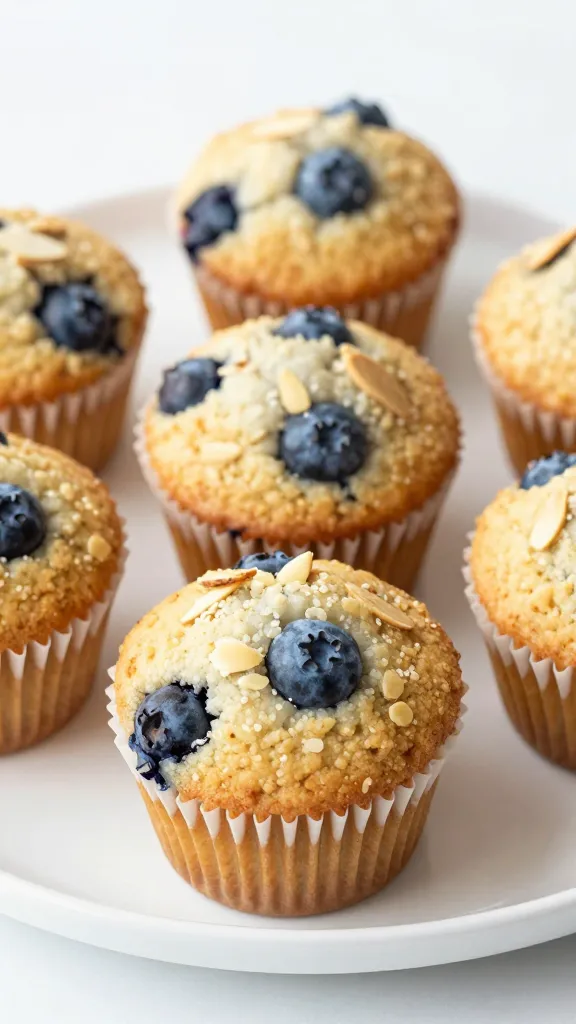
– Almond flour as the base: rich, moist, and naturally gluten-free.
– Blueberries for brightness and moisture.
– Eggs for structure and protein.
– Healthy fats like olive oil or melted coconut oil to keep the crumb tender.
– Low-glycemic sweetener such as erythritol or a touch of maple syrup if you’re not strictly sugar-free.
– A pinch of baking soda and baking powder for lift.
– Optional add-ins: lemon zest for zing, chia or flax for extra fiber, a splash of vanilla.
Subsection: Ingredient swaps
– Swap eggs for unsweetened applesauce if you’re egg-free (use 1/4 cup per egg—though it changes texture slightly).
– Use mashed banana for moisture and sweetness, but note you’ll introduce more natural sugars.
– Swap blueberries for raspberries if you want a tart kick and different fiber profile.
Pro tips for the best batter texture
– Let the batter rest for 5 minutes after mixing; almond flour swells as it sits.
– Don’t overmix; whisk just until combined to keep the muffins fluffy.
– If the batter looks too thick, splash in a tablespoon of almond milk or water.
How to bake muffins that stay friendly to your blood sugar
– Use almond flour as the star; it’s lower on the glycemic index than regular flour.
– Don’t go crazy with sugar substitutes in a way that leaves an aftertaste; test a small batch if you’re new to low-sugar baking.
– Bake until just set to keep moisture, which prevents a dry, crumbly mouthfeel.
– Let cool fully on a rack before storing to avoid soggy bottoms.
Tips for best results
– Temperature matters: bake at 350°F (175°C) for about 18–22 minutes, depending on muffin size.
– Use cupcake liners or a non-stick pan to prevent sticking—we’re not chasing a crumbly disaster.
– If you want ultra-moist muffins, add a tablespoon of sour cream or Greek yogurt to the batter.
Pro tips, common mistakes, and variations
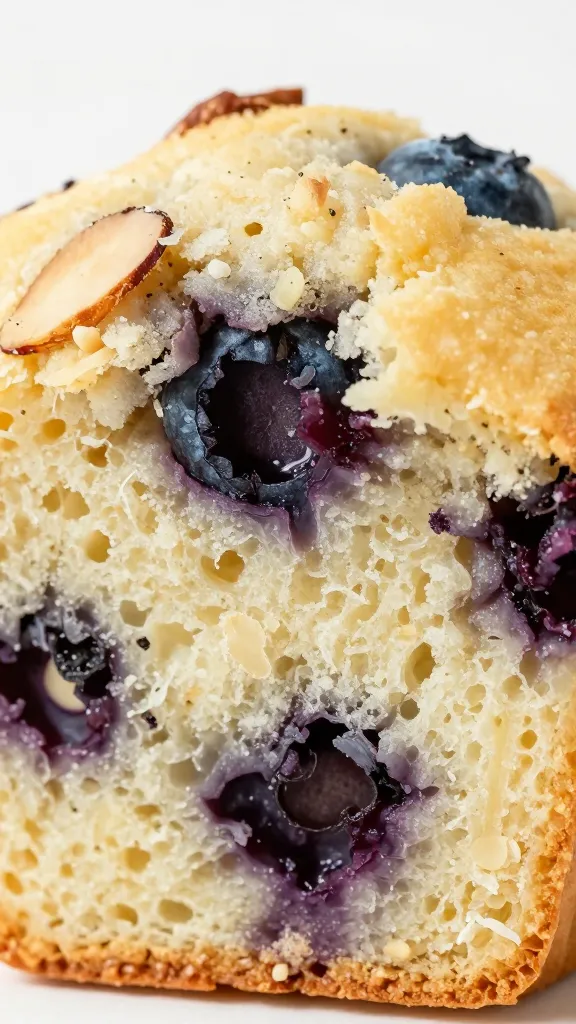
Pro tips
– Gently fold in the blueberries at the end to prevent them from bursting and turning the batter purple.
– Reserve a few berries to press on top of each muffin before baking for a pretty finish.
– Chill the batter briefly if you want a thicker crumb that holds its shape better.
Common mistakes
– Overmixing: it creates a dense muffin. Stop as soon as the flour is incorporated.
– Using oil that’s too heavy: pick a neutral-tinish oil (or melted coconut oil) to avoid greasiness.
– Skimping on leavening: you’ll get flat, sad muffins. Don’t skip the baking powder/soda, especially with almond flour.
Variations
– Lemon-vanilla almond blueberry muffins: add lemon zest and a splash of vanilla for brightness.
– Cinnamon-pecan almond muffins: fold in chopped pecans and a pinch of cinnamon for a cozy twist.
– Chocolate-chipped option: fold in a tablespoon of unsweetened cocoa powder and a few sugar-free dark chocolate chips.
Comparison blocks: gluten-free almond flour muffins vs. typical gluten muffins
Texture and moisture
– Almond flour muffins tend to be moister and denser with a rich crumb, while traditional wheat muffins can be lighter but crumble easily when gluten-free.
Blood sugar impact
– Almond flour with low-sugar sweeteners tends to spike less, thanks to more fat and fiber. Regular muffins with high sugar and refined flour spike more dramatically.
Flavor profile
– Almond flour frames a nutty, slightly sweet base that pairs beautifully with blueberries. Traditional wheat muffins may rely more on added sugars to achieve sweetness.
What I’ve learned after dozens of muffins and a lot of taste-testing

I’ve found that the best muffins happen when you balance moisture, lift, and sweetness without going overboard. You want a crumb that’s tender but sturdy enough to hold a blueberry without turning into a blue swamp in the oven. IMO, the secret is to treat almond flour like a different animal—hydrating it a touch, not overmixing, and keeping the bake modest so you don’t dry things out.
FAQ: quick answers to common questions
Q: Are these gluten-free muffins actually gluten-free?
A: Yes. They use almond flour and other gluten-free ingredients, with no wheat flour in sight.
Q: Will these muffins spike my blood sugar?
A: If you use low-glycemic sweeteners and pair with fiber and fat, you’re less likely to see a spike. Individual responses vary, so test and adjust to your body.
Q: Can I freeze these muffins?
A: Absolutely. Wrap individually and store in the freezer for up to 3 months. Reheat in 15–20 seconds in the microwave or warm oven.
Q: I don’t eat eggs—what now?
A: Try 1/4 cup unsweetened applesauce per egg, or use a commercial egg replacer. The texture will shift a bit, but you’ll still get a tasty muffin.
How to store and reheat for peak fluffiness
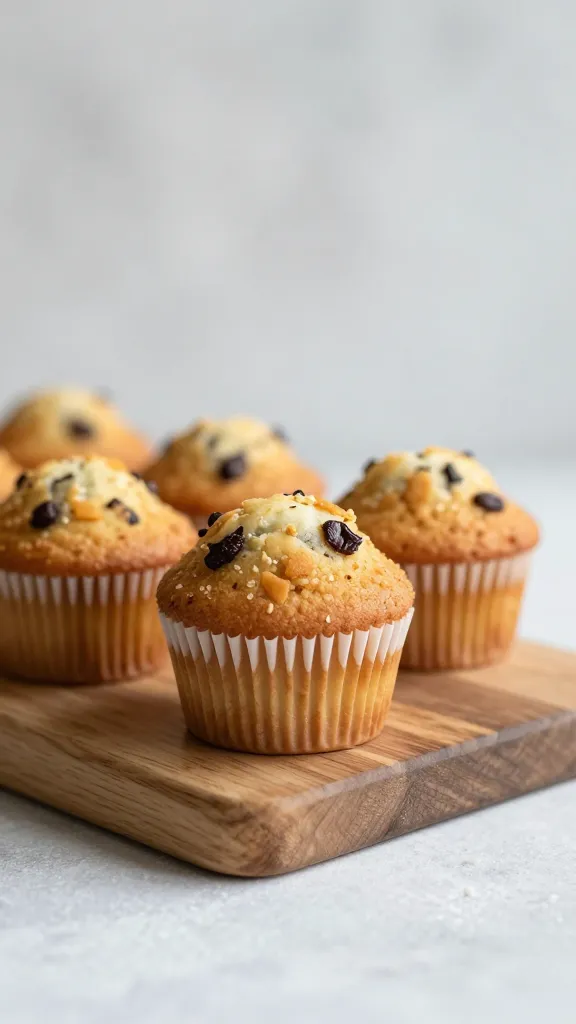
– Store in an airtight container at room temperature for up to 2 days, or refrigerate for longer shelf life.
– Reheat briefly before enjoying to revive that bakery-fresh crumb.
– If muffins look a little dry, a light brush of melted butter or a drizzle of olive oil can bring back moisture.
Endnotes: final thoughts and a little encouragement
Baking gluten-free doesn’t mean sacrificing flavor or energy stability. With almond flour and blueberries, you get a muffin that tastes like a treat without sending your blood sugar on a roller coaster. FYI, you don’t need to be perfect in the kitchen to enjoy great muffins—just aim for small swaps and consistent practice. You’ve got this.
Conclusion
These Gluten-Free Almond Flour Blueberry Muffins deliver on texture, flavor, and steadier blood sugar, all without the gluten or guilt. They’re friendly to beginners and satisfying for seasoned bakers. Give them a try, tweak to your taste, and enjoy the empowered bite of a muffin that supports your day.