
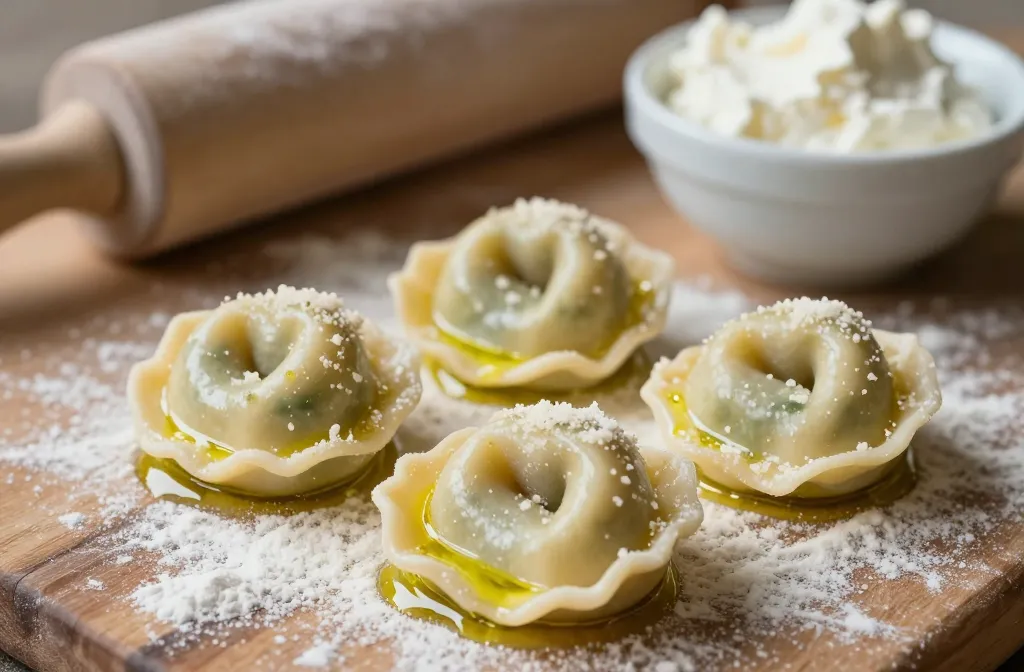
From scratch, fresh tortellini that actually tastes like a hug in pasta form? Yes, please. Fresh gluten-free tortellini might sound fussy, but with the right moves, you can whip up delicate pockets of joy that fool even non-GF eaters. Frying pan or sauce pot, you’re covered.
Why fresh GF tortellini? The short, delicious version
Fresh gluten-free dough brings a tender bite you won’t get from dried shells. It hugs the filling and holds sauces like a champ. The payoff? Softer texture, brighter flavors, and a dish that says “I cooked with intention” without requiring a culinary degree. Ready to roll?
What you’ll need to get started
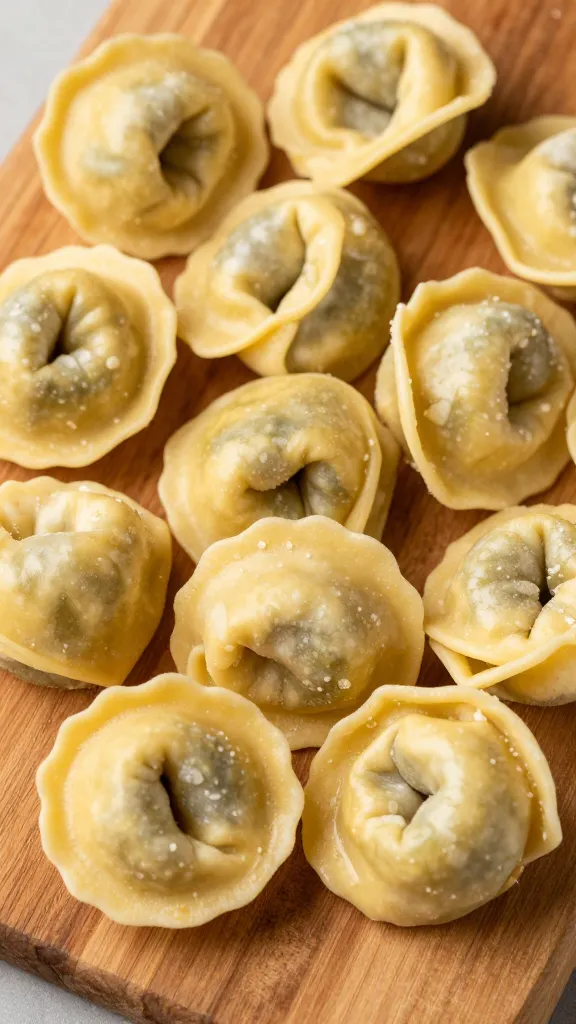
– Flour blend: A reliable gluten-free all-purpose blend with xanthan gum. If yours doesn’t have gum, add 1/2 teaspoon per cup of flour.
– Binder options: Eggs for a richer dough or a flaxseed/chia mix for vegan folks.
– Filling ideas: Ricotta + spinach, mushroom and herb, or roasted butternut with parmesan. Keep filling on the lighter side; heavy fillings can rupture dough.
– Dough basics: Cold water, a touch of oil, and a pinch of salt.
– Tools: A pastry mat or clean countertop, a rolling pin (or a pasta machine), a round cutter, and a small finger-saving spatula.
Tips for best results
– Chill the dough between steps to keep it from tearing.
– Dust lightly with GF flour to prevent sticking, but don’t overdo it—too much flour dries the dough.
– If your dough feels sticky, add a little more flour gradually.
The filling that makes or breaks the bite
A great GF tortellini starts with a great filling. Aim for a filling that’s cohesive, not too loose, and lightly seasoned so the dough can shine.
Filling foundations
– Ricotta-spinach: Drain excess moisture, fold in grated parmesan, salt, pepper, and nutmeg.
– Mushroom-herb: Finely chopped sautéed mushrooms, garlic, thyme, and a splash of cream or olive oil.
– Cheese-forward: A blend of ricotta, mozzarella, and parmesan with a hint of lemon zest.
– Veg-forward: Roasted butternut with a pinch of sage and pecorino for bite.
Texture tricks
– Squeeze moisture out of greens or mushrooms before mixing.
– Chill the filling for 15–20 minutes so it doesn’t ooze during shaping.
– Keep filling small and dense; avoid airy centers that pop dough when pinched shut.
Dough dynamics: mixing and rolling without tears
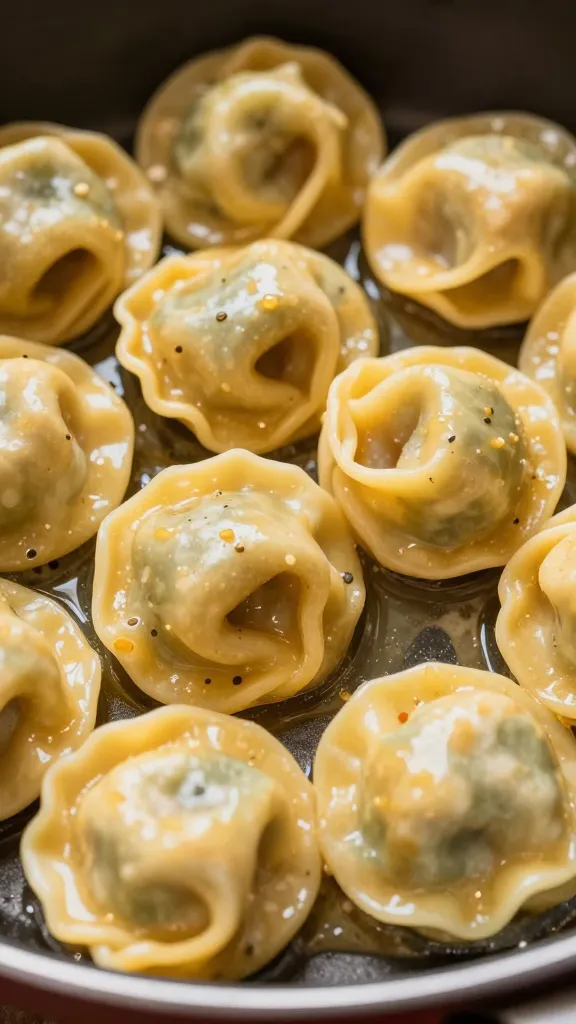
GF dough behaves differently from all-purpose dough. It can be forgiving, but you still need a light touch.
Basic dough recipe (to approximate classic tortellini texture)
– 2 cups gluten-free all-purpose flour blend with xanthan gum
– 2 large eggs (or 1/2 cup dairy-free milk + 1 tablespoon oil for vegan)
– 1–2 tablespoons water (as needed)
– Pinch salt
Steps
1) Put flour and a pinch of salt in a bowl, then create a well in the center.
2) Add eggs (and oil if using) into the well. Mix with a fork, then knead gently on a floured surface until cohesive.
3) If the dough seems dry, add water a teaspoon at a time. If too sticky, dust with more flour and knead briefly.
4) Wrap dough and rest 20–30 minutes. Resting helps hydration even out.
Tip: Dough should be soft but not sticky. Think Play-Doh, not paste.
Shaping tortellini: the art of the tiny pocket
Shaping is where the magic happens. You want tight, uniform pockets that hold the filling and seal without leakage.
Step-by-step shaping guide
– Roll dough thin: Aim for about 1/16 inch thickness. If you have a pasta machine, go 2nd or 3rd setting.
– Cut circles: Use a round cutter or a glass about 2.5 inches in diameter.
– Add filling: Place a small mound of filling in the center of each circle; don’t overfill.
– Seal and form: Fold dough over filling to make a half-moon, press edges to seal. Then bring the corners together to form a small ring (the tortellini shape). Pinch gently to seal any gaps.
Tips for perfect seals
– Use a tiny amount of water on the edge to help seal.
– Keep filling centered and don’t stretch dough as you seal.
– Rest shaped tortellini on a floured tray as you finish the batch to prevent sticking.
Cooking GF tortellini without drama
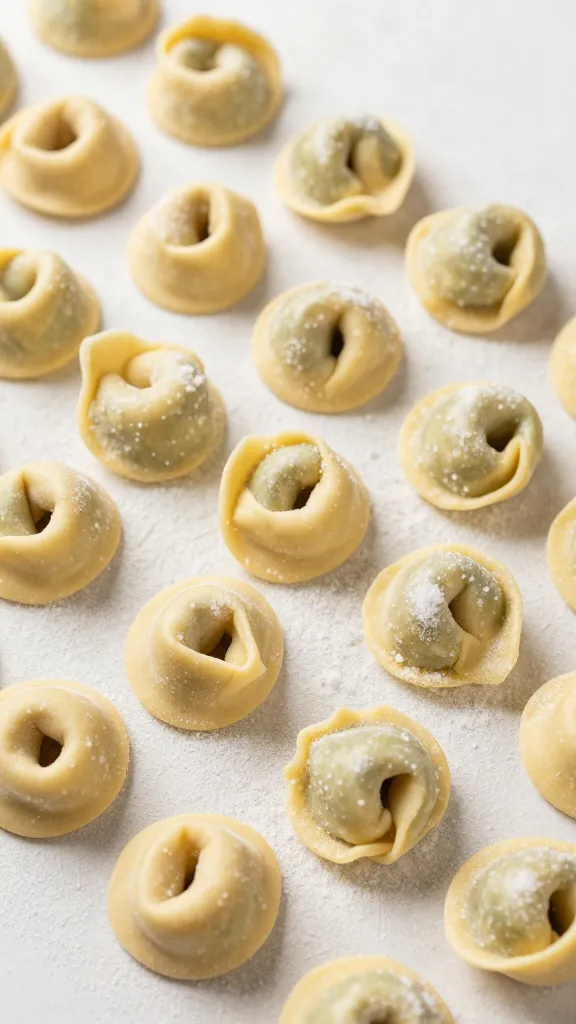
Fresh GF tortellini cooks fast. Watch the clock, not the smoke alarm.
Boiling basics
– Bring salted water to a rolling boil.
– Taste a piece—it should float to the surface in 2–4 minutes depending on thickness.
– Use a slotted spoon to transfer to sauce immediately.
Sauce pairing ideas
– Brown butter and sage: Classic and elegant. A drizzle of olive oil plus a touch of lemon zest can brighten it up.
– Creamy mushroom sauce: A light cream base with thyme and a splash of white wine.
– Pesto: Fresh basil or arugula pesto with toasted pine nuts adds vibrant greenery.
– Tomato-basil: A simple, bright red sauce to let the gnocchi-like bite shine.
Pro tips, common mistakes, and variations
Pro tips
– Chill the dough between steps and again after shaping if you’re not cooking right away.
– Use as little flour as possible on the surface to keep dough supple.
– If you’re vegan, swap eggs for a flax egg or a chickpea flour binder and a splash of olive oil.
Common mistakes
– Overfilling, which makes dough tear or leak.
– Dough too thick, resulting in bulky pockets that taste floury.
– Not sealing properly, which leads to open edges during cooking.
Variations
– Spinach dough: Blend finely pureed spinach into the dough for color and a subtle flavor boost. You’ll need a bit more liquid, so adjust accordingly.
– Colorful twist: Infuse the dough with beet puree for a rosy hue and a gentle sweetness.
Comparison blocks
– Fresh GF vs. store-bought GF tortellini: Fresh dough typically yields a more tender bite and better sauce adhesion, while store-bought may be convenient but often lacks that delicate texture.
– Egg-based GF dough vs. vegan GF dough: Eggs add richness and elasticity; vegan versions rely on binding agents and sometimes gums to mimic that structure.
FAQ: quick answers to common GF tortellini questions
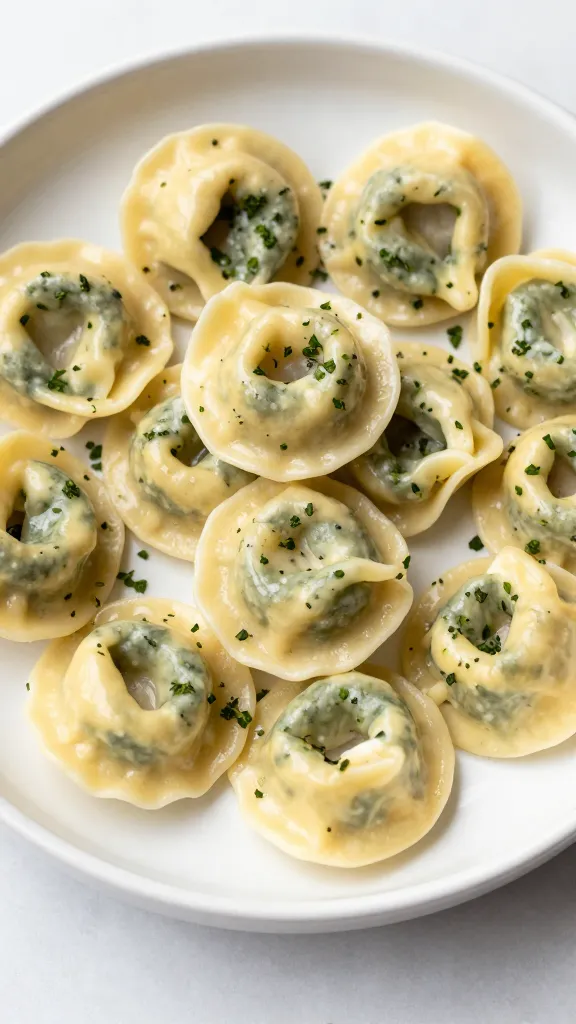
Can I freeze GF tortellini? Yes. Freeze shaped tortellini in a single layer on a tray, then transfer to a bag. Cook from frozen, adding 1–2 minutes to the cooking time. FYI, freezing can slightly alter texture, but it still tastes amazing.
Why does my dough crack? Too dry or not enough resting time. Hydrate gradually and give it a longer rest. Resting helps gluten-free blends hydrate properly and reduces tearing.
How do I know when it’s done? Fresh GF tortellini floats to the surface in a few minutes. Taste a small piece to ensure the filling is heated through and the dough is tender but not mushy.
Another round: quick weeknight version
If you’re short on time, you can still get great results. Use pre-made GF pasta sheets and cut into circles, then fill and seal as usual. It won’t be as perfect as hand-rolled, but it’s shockingly tasty and way faster. IMO, it’s a solid fallback that keeps GF pasta in your weekly rotation.
Flavor boosters and serving ideas
– Fresh herbs: Chives, parsley, or basil sprinkled on top brighten the dish.
– Grated cheese: A little parmesan or pecorino over the finished plate brings it all together.
– Zests and drizzles: A whisper of lemon zest or a touch of truffle oil can elevate a simple sauce.
Conclusion
Fresh gluten-free tortellini isn’t as scary as it sounds. With a soft dough, a flavorful filling, and a playful shaping routine, you can serve a dish that feels fancy without the fuss. So roll, fill, seal, and savor—your dinner party or weeknight self will thank you. FYI, practice makes pasta perfection, so don’t worry if the first batch isn’t flawless. You’ll get there.