
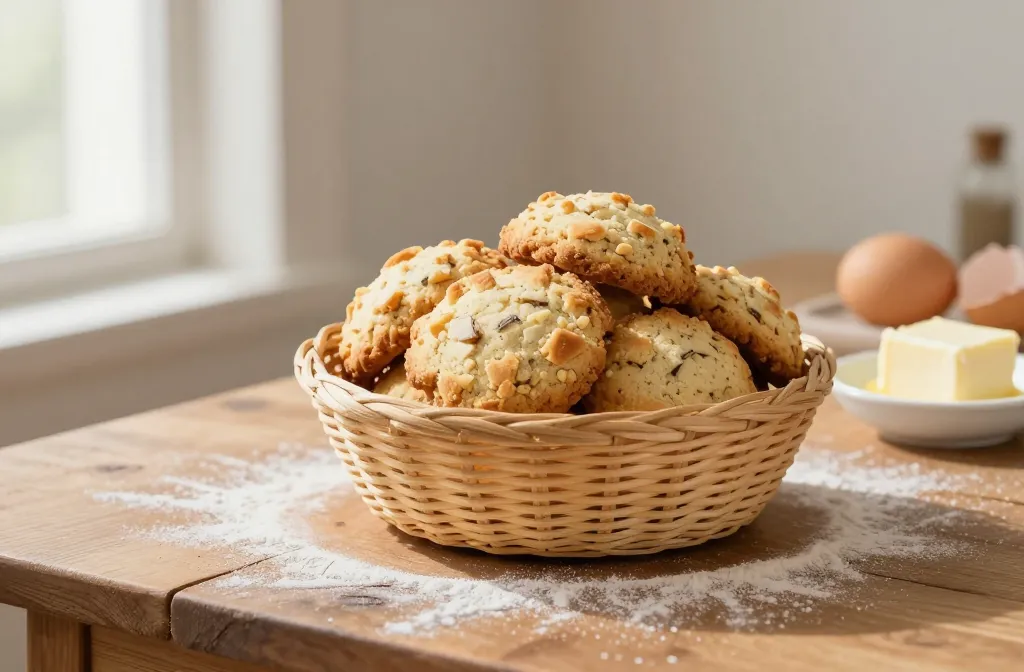
You don’t need xanthan gum to bake biscuits that are soft, lift nicely, and stay gluten-free. I’m talking about biscuits that dunk well, crumble right, and don’t taste like cardboard. If you’ve been frustrated by crumbly glops or bricks labeled “gluten-free,” you’re in the right kitchen.
Why gluten-free biscuits without xanthan gum can work beautifully
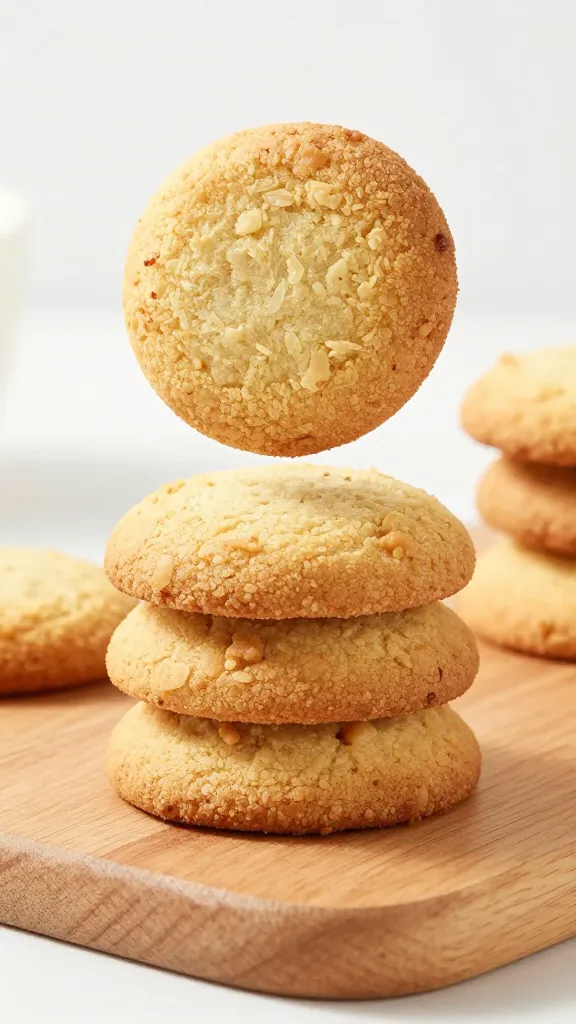
Here’s the honest truth: xanthan gum helps gluten-free dough hold together, but it isn’t the only path to soft, tall biscuits. With the right blend of flours, starches, and moisture, you can achieve a tender crumb that still holds shape. FYI, you don’t need to raid the pantry for weird additives—simple swaps and careful mixing do the trick.
Flour and starch combinations that actually behave
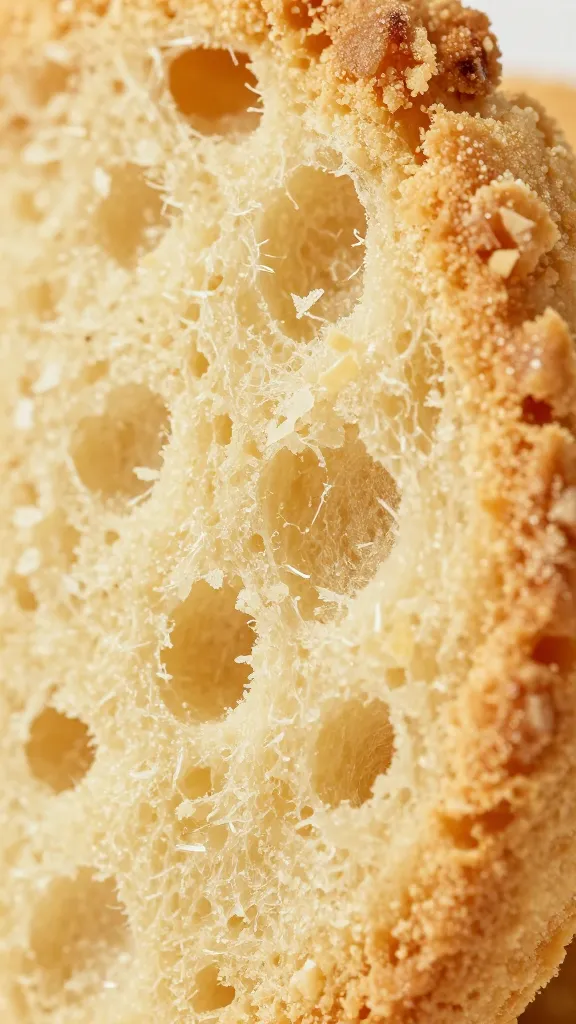
– Start with a blend: A mix like 60% gluten-free all-purpose blend and 40% rice or almond flour often performs well. The all-purpose base gives lift, while the other flours bring flavor and tenderness.
– Include a starch: Potato starch or tapioca starch lightens the crumb and helps crumb structure without relying on xanthan gum.
– Don’t forget protein: A touch of corn flour or chickpea flour adds a bit of bite so the biscuits don’t feel too fragile.
– Keep density balanced: Too much almond flour can make things greasy; too much rice flour can make them crumbly. Aim for a harmonious blend.
Fat, liquid, and whisking: getting the texture right
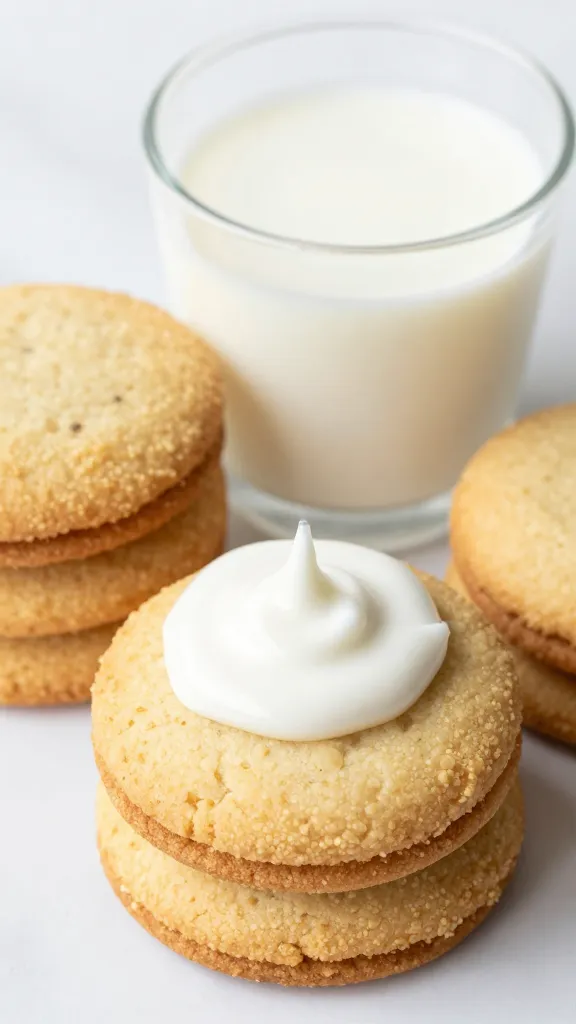
– Fat matters: Use cold butter for flakiness or a mix of butter and a neutral oil for tenderness. The fat coats flour particles and creates that tender crumb we love.
– Liquid should be mindful: Milk (dairy or non-dairy) and a splash of yogurt or sour cream can add moisture and tenderness. Use just enough to bring the dough together; you don’t want a gluey mess.
– Mixing method: Cut fat into the dry ingredients until you see pea-sized pieces. Don’t overwork the dough—gluten-free doughs don’t develop gluten, but over-kneading can make them tough.
– Chill helps: A 15–30 minute chill firm ups the fat, which helps lift and crumb structure when baked.
Raising the dough without xanthan gum
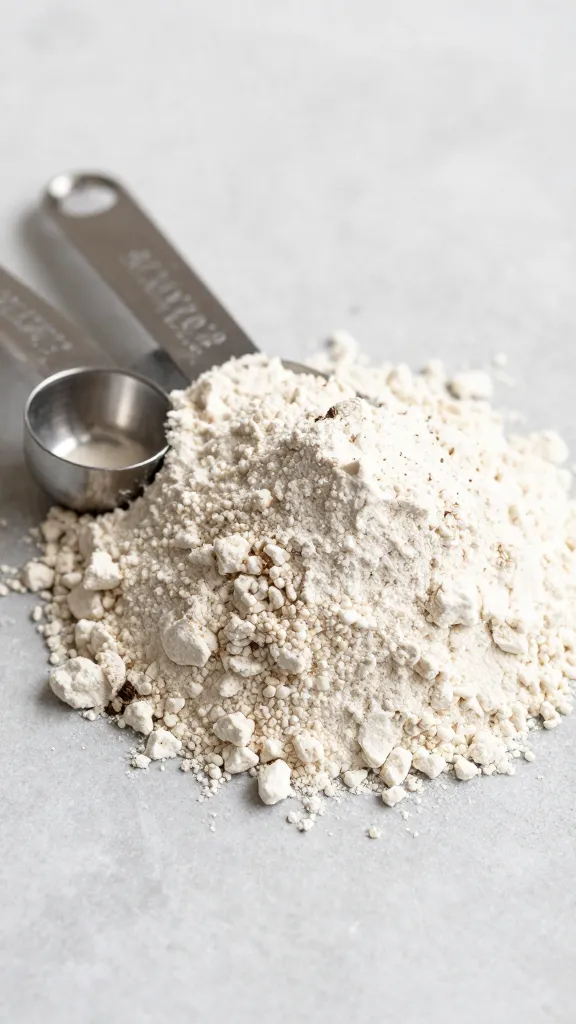
– Leaveners that work: Baking powder is your best friend here. A touch of baking soda with an acidic dairy addition can amp up lift.
– Temperature cues: Bake hot to start, then drop slightly if needed. The high heat gives a quick crust that helps seal in moisture.
– Steam trick: A quick spritz of water in the pan or a hot tray underneath can create steam, aiding rise without needing gums.
– Texture goals: You want a biscuit with a crisp exterior and a soft, pillowy interior. If the center looks dense, you may need a touch more fat or a smidge more leavening.
Common mistakes (and how to fix them)
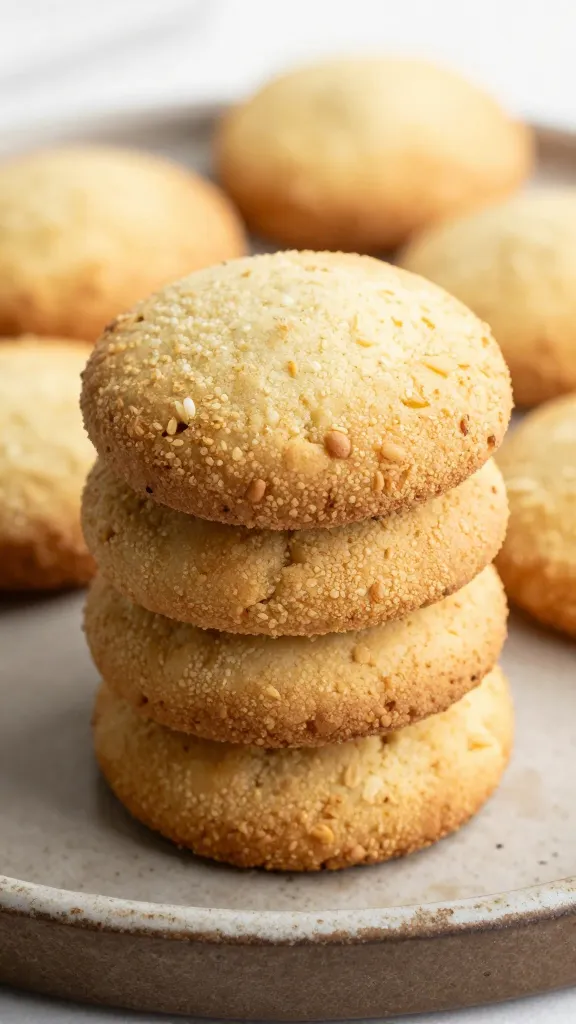
– Mistake: Overworking the dough → Fix: Stir until the dough just comes together, then rest.
– Mistake: Too little moisture → Fix: Add a teaspoon or two of milk at a time until it’s cohesive but not sticky.
– Mistake: Skipping cold ingredients → Fix: Chill your fat and dairy for at least 15 minutes.
– Mistake: Cutting biscuits too thick → Fix: Aim for about 1 inch thick; thinner cuts bake more evenly.
– Mistake: Opening the oven too often → Fix: Resist the urge to peek—every peek drops the oven temperature and can collapse the rise.
Flavor boosters and texture enhancers
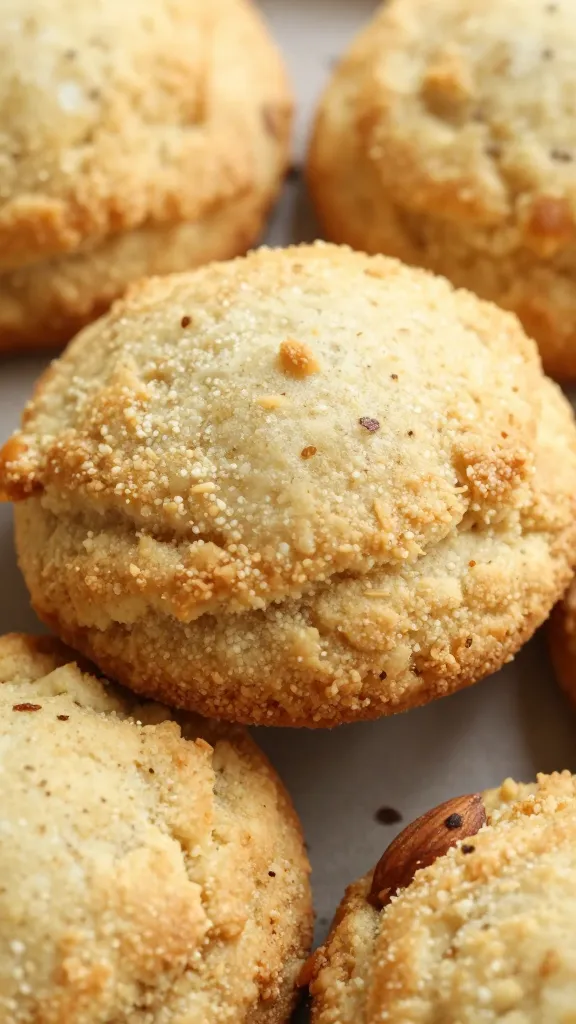
– Buttermilk swap: If you don’t have buttermilk, mix dairy milk with a splash of lemon juice or vinegar and let it sit 5 minutes.
– Herbs and cheese: A pinch of fresh rosemary, chives, or grated cheddar can elevate a savory batch without complicating the gluten-free promise.
– Sweet twists: For a touch of sweetness, add a tablespoon of sugar or honey. It caramelizes nicely and balances the slight tang from dairy.
– Nuts and seeds: A tablespoon of ground almonds or sesame seeds adds texture and flavor depth.
Ingredients swaps for gluten-free success
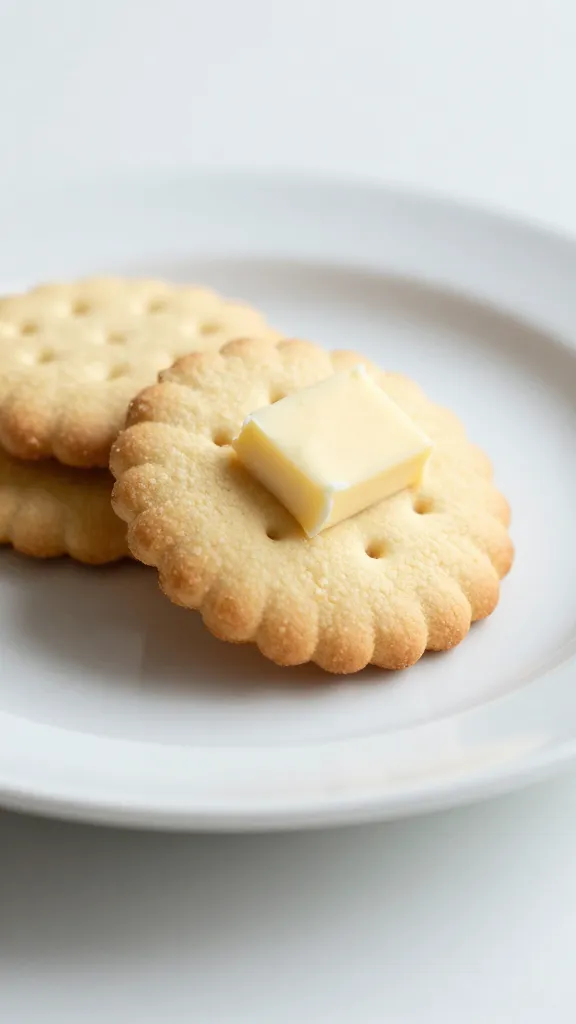
– Flour swaps: If a recipe uses only gluten-free all-purpose flour, swap in 1/3 almond flour for a richer crumb, or use a potato starch-based blend for lighter lift.
– Fat options: Coconut oil or ghee can replace some butter for a dairy-free version, but watch flavor notes they bring.
– Liquid boosts: A bit of yogurt or sour cream can improve tenderness and binding without xanthan gum.
– Dairy-free tips: Use a mild plant milk plus a splash of apple cider vinegar to mimic tang and moisture.
Pro tips
– Chill the dough after shaping → A quick 10–15 minute rest lets fats firm up, which translates to taller biscuits.
– Use a light hand with rolling → Too thick and the centers stay doughy; too thin and edges burn. Aim for roughly 1 inch.
– Par-bake trick → If you’re making ahead, bake 2/3 of the way, cool, then finish later for fresh-baked feel.
Variations
– Savory cheddar biscuits: Add 1/2 cup shredded cheddar, pinch of paprika, and a dash of black pepper.
– Herb butter biscuits: Fold in 1 tablespoon minced herbs and brush tops with herb butter after baking.
– Sweet cinnamon-sugar: Mix 1 teaspoon cinnamon with 1–2 tablespoons sugar; brush tops with melted butter and dip in cinnamon sugar.
– Blueberry pop: Gently fold in 1/4 cup fresh blueberries; add a touch of lemon zest for brightness.
Tips for best results
– Use an oven thermometer. If your oven runs hot or cool, your biscuits suffer.
– Space biscuits evenly on the sheet so they can rise rather than spread into a pancake.
– For extra tenderness, try a 50/50 mix of butter and a neutral oil like canola.
Common mistakes
– Not letting the dough rest before cutting. Resting helps hydrate the flours and improves cohesion.
– Over-coating the cutting surface with flour. Use just enough to prevent sticking, or parchment pan for slick release.
– Substituting without considering moisture. Some gluten-free blends need more hydration; start with the recipe’s measurement and adjust gradually.
FAQ
– Do I really not need xanthan gum? You can absolutely bake successful gluten-free biscuits without it. The key is using the right flour blend, fat, moisture, and leavening.
– What’s the best baking time? Start at 12–15 minutes at 425°F (220°C), then watch for a light golden crust. If they brown too fast, tent with foil.
– How can I store leftovers? Cool completely, then store in an airtight container at room temperature for 2–3 days. Freeze for longer storage; reheat gently to restore softness.
– Why are my biscuits crumbly? Not enough moisture or too much flour. Add a teaspoon of milk and gently combine until dough holds together.
Conclusion
Gluten-free biscuits without xanthan gum aren’t a performance lift you need to bribe with mystery ingredients. With thoughtful flour blends, smart moisture management, and a touch of leavening, you can achieve biscuits that rise, stay tender, and taste like real comfort. So grab your whisk, chill your fats, and beat the myth that gums are mandatory. IMO, you’ll be surprised how good gluten-free biscuits can feel when you don’t chase a single additive. Give it a try, and soon you’ll be dunking with confidence and maybe even bragging a little.