
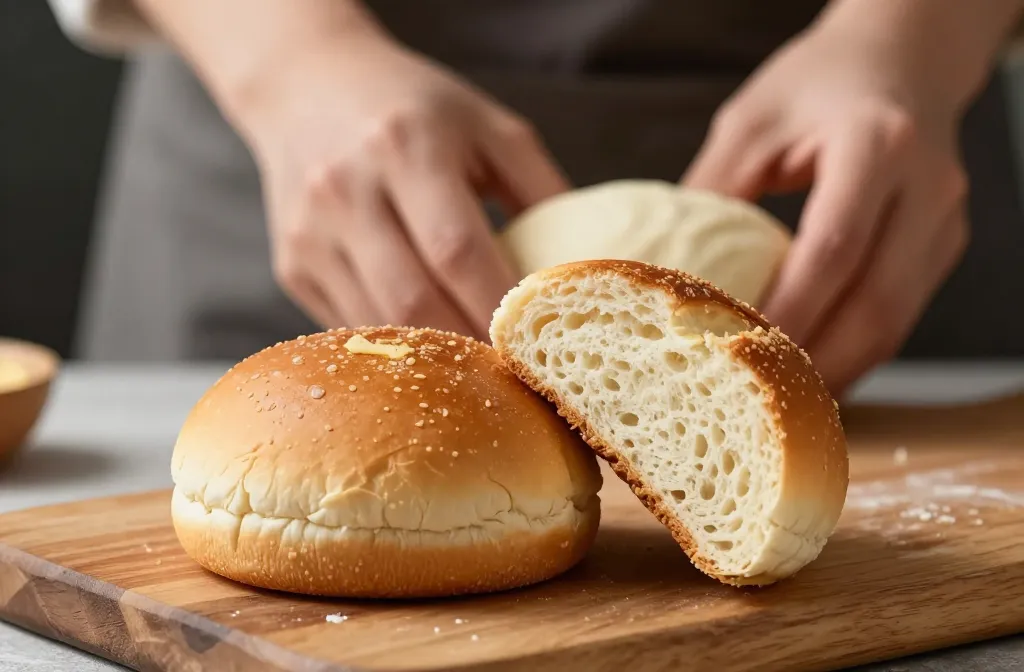
A soft, pillowy bite that hugs your burger like a long-lost condiment soulmate—that’s what soft gluten-free hamburger buns are all about. No dry crumb, no cardboard vibe, just all the happiness in one round, bready hug. Ready to bake without the starchy guilt? So am I.
What makes a bun soft without gluten
You’re probably wondering: how can gluten-free buns ever feel like real bread? Here’s the secret sauce (minus the actual sauce, unless you want to add it to the bun life hack). The texture hinges on a few key players:
- Starches like tapioca, potato, and corn that keep things light and springy.
- Proteins from eggs and dairy to give structure and moisture.
- Emulsifiers such as xanthan gum or psyllium husk to mimic gluten’s stretchy miracle.
- Fats like butter or oil to keep things tender and not crumbly.
IMO, the right balance is like walking a tightrope between chewy and fluffy. Get it wrong, and you’ll end up with a bun that wonders if it’s a cracker. FYI, it’s possible to overwork doughs in gluten-free recipes too, so gentle mixing is your friend.
Basic recipe blueprint: what you’re aiming for
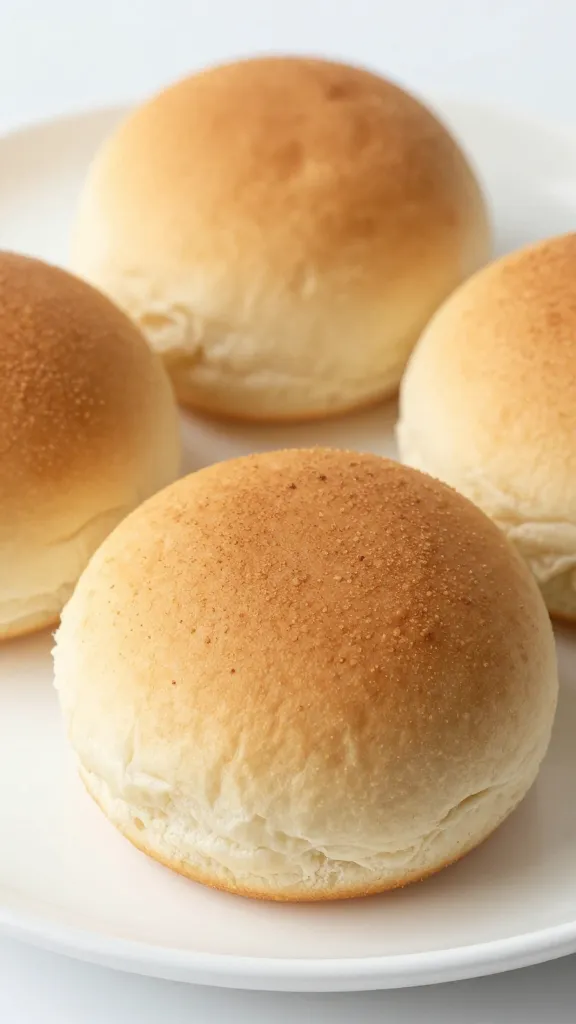
Think of this as your quick-start checklist. You can riff later, but the foundation matters.
- Use a blend of gluten-free flours and starches for texture—think tapioca starch and potato starch as the dynamic duo.
- Add eggs or a dairy-free binding aid to help structure (or aquafaba for a vegan twist).
- Incorporate a bit of sugar to feed the yeast and a touch of fat for mouthfeel.
- Include a leavening boost (active yeast plus a little baking powder) to keep things airy.
- Finish with a glaze or egg wash for that glossy, sammich-ready top.
If you’re used to wheat bread, this palette may feel different, but trust me: it’s a flavor you’ll grow to love.
Ingredients swaps: tailor it to your pantry
If you’ve got dietary quirks or just want to experiment, these swaps work without wrecking the vibe.
Gluten-free flour blends
– Use a commercial GF blend that already has xanthan gum included. If yours doesn’t, add 1/4 teaspoon per cup of flour.
– Mix in a grain-free option like almond or coconut flour sparingly; they’re biology experiments in bread form—great flavor, tricky texture, so start small.
Moisture and fat
– Swap butter for olive oil for a lighter crumb, or go dairy-free with coconut oil. The flavor shifts? Delicious, not scary.
– If your dough feels dry, add a splash of milk (dairy or plant-based) to bring it back to life.
Binding and lift
– If you’re vegan, substitute eggs with a flax or chia egg (1 tablespoon ground seeds + 3 tablespoons water per egg).
– For extra stretch, add a teaspoon of psyllium husk powder per cup of flour. It acts like gluten’s cousin and helps trap air.
Pro tips: getting the perfect bun, every bake
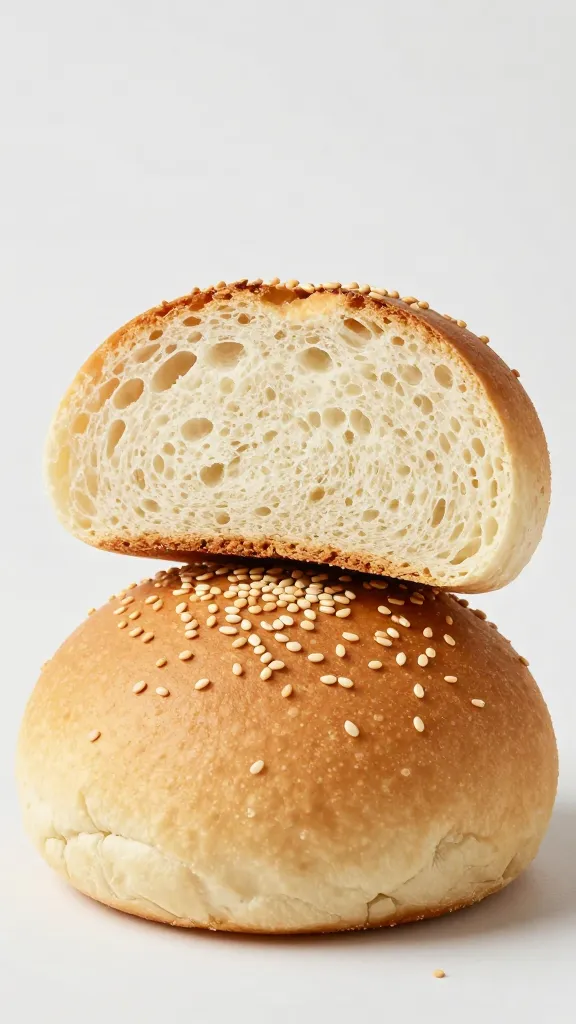
– Warm yeast = happy buns. Make sure your liquids are around 105-115°F (40-46°C) before you soak the yeast. If it’s too warm, you’ll kill the yeast; too cool, and you’ll wait forever.
– Don’t overwork gluten-free dough. Unlike traditional bread, GF doughs don’t want aggressive kneading. Gentle mixing just until ingredients come together is the magic.
– Shape with care. Lightly oil your hands and pat the dough into evenly sized rounds. Uniform size = even baking.
– Steam helps. Bake buns on a sheet with a little water in the bottom of the oven for the first 10 minutes to create a soft exterior. It’s like a spa day for your crust.
– Egg wash obsession. A quick egg wash (or dairy-free alternative) before baking helps your buns achieve that glossy, bakery-sexy top.
Common mistakes (and how to dodge them)
– Dry, crumbly buns = not enough fat or not enough moisture. Add a touch more milk or oil and see if the texture improves.
– Dense, heavy crumb = too much flour or not enough leavening. Make sure your leavening agents are active and measured correctly.
– Uneven shape = dough temperature swings. Keep dough at a steady room temp while shaping; avoid a hot kitchen where the fats melt before they set.
– Flat tops = not enough rise. Activate your yeast properly, and consider a small amount of baking powder to boost lift.
– Gummy edges = not baked long enough. Ensure your oven is at temperature and give them a couple extra minutes if needed. Food thermometers aren’t just for meat—aim for an internal temp around 190-200°F (88-93°C) for a fully set crumb.
Variations: flavors and textures to try
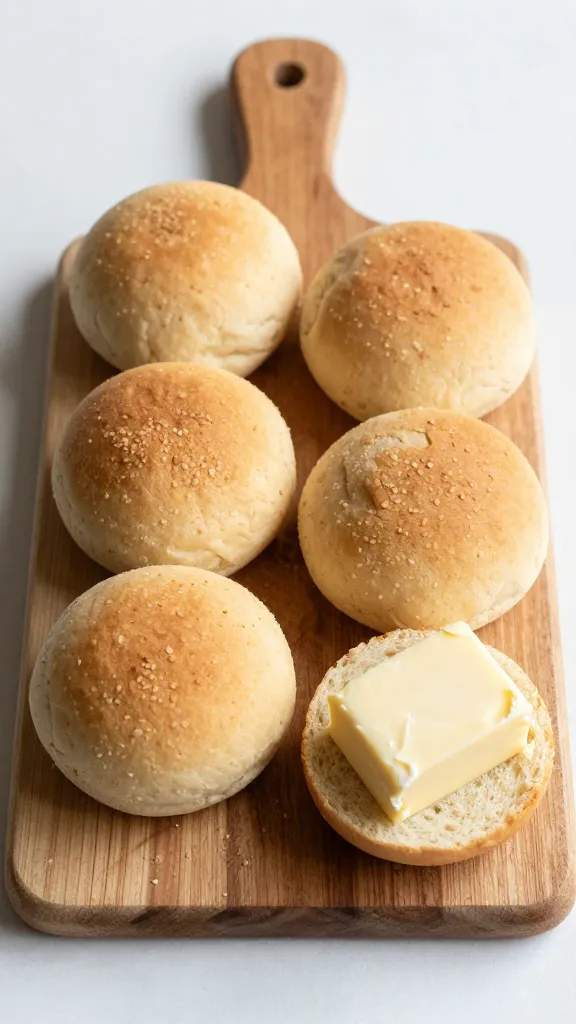
– Herb and garlic buns for burger nights that feel fancy without extra effort. Mix in finely minced garlic powder and dried parsley into the dough.
– Sesame-topped buns for a classic vibe. Brush with an egg wash and sprinkle sesame seeds before baking.
– Cheesy bites—fold in shredded cheese or sprinkle grated parmesan into the tops for an extra savory bite.
– Sweet buns for breakfast burgers. A pinch of cinnamon and a whisper of sugar can turn buns into a fun twist (think maple bacon vibes).
– Glaze options—a light honey-mustard glaze brushed on after cooling adds shine and tang.
Comparison blocks: quick-glance picks
GF bun with dairy
– Pros: Rich flavor, tender crumb, classic rise
– Cons: Not dairy-free unless you swap ingredients
– Best for: Traditional burger nights, when you want a familiar crumb
GF bun dairy-free
– Pros: Allergy-friendly, still soft
– Cons: Might crave a touch of dairy creaminess
– Best for: Plant-based households or dairy-free diets
GF bun with psyllium
– Pros: Extra structure, great chew
– Cons: Can feel slightly denser if overdone
– Best for: Thick patties and big toppings
GF bun egg-free
– Pros: Vegan-friendly in taste and texture with the right binder
– Cons: Requires careful moisture management
– Best for: Vegan burgers, or dairy-free folks who still want great buns
FAQ
Q: Can I freeze gluten-free hamburger buns? A: Absolutely. Let them cool completely, wrap tightly, and freeze. Reheat in a 350°F (175°C) oven for about 8-10 minutes, or until warmed through. They’ll still feel soft and fresh, promise.
Q: Why are my GF buns dense? A: Usually a sign of not enough leavening or too much flour. Check your yeast is active, measure accurately, and consider adding a touch more moisture or a bit of psyllium husk for lift.
Q: Can I make these ahead? A: You can mix the dough a day ahead and refrigerate overnight. Bake fresh the next day for maximum softness and aroma that hits your kitchen like a hug.
Q: Is there a vegan option? A: Yes. Use plant-based milk, a flax or chia egg, and dairy-free butter or oil. You’ll still get that soft, pillowy crumb with careful moisture management.
Add sections: quick tips and swaps
Tips for best results
- Let the dough rest briefly after mixing so the flours hydrate and the starches swell.
- Keep your oven steady. Fluctuating temps throw off rise and texture.
- Cool buns on a rack; condensation can make the bottom soggy if you’re not careful.
Ingredient swaps (recap)
- Milk alternatives: almond, soy, oat—these don’t just work, they can add subtle flavors.
- Oil vs butter: oil = softer crumb, butter = richer flavor, both are valid choices.
- Binders: xanthan gum or psyllium for structure; flax/chia eggs for vegan options.
Conclusion
Soft gluten-free hamburger buns aren’t just possible—they’re totally within reach for your next cook-night masterpiece. With the right balance of starches, moisture, and a touch of love, you’ll bite into buns that feel like they were born in a bakery, not in a packet. FYI, once you nail the basics, you’ll be tempted to top every burger with a bun that’s as excited as your toppings. So get in that kitchen, grab the whisk, and bake like you mean it. Your grill-day vibes will thank you.