
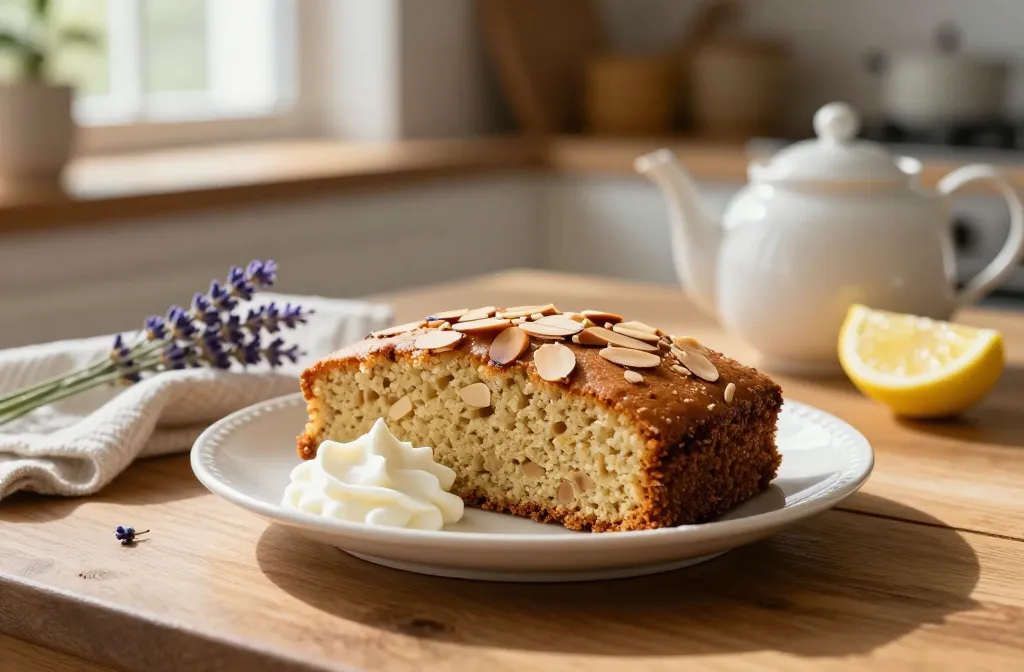
Tea-Time Gluten Free Cake for Slow Afternoons
Sweets that feel like a hug, but gluten-free. This cake is what happens when you mix a cozy afternoon with a pan of flour-free magic. It’s the kind of dessert you bake on a slow Thursday and pretend the kettle is your personal hype squad.
Gentle beginnings: what makes this cake different
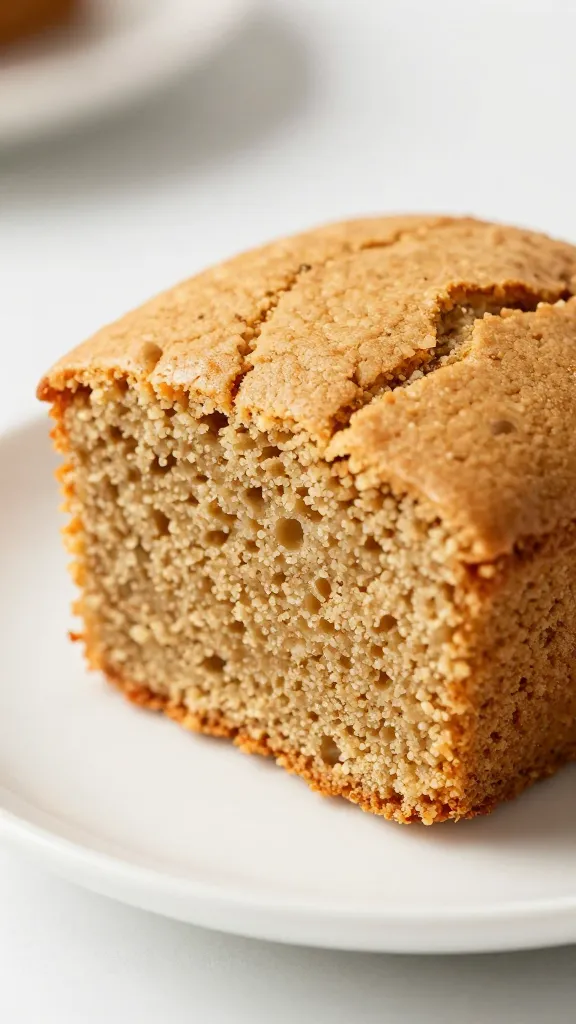
If you’re gluten-free, you know the drill: finding textures that aren’t grainy, crumbly, or sad. This cake embraces the idea that gluten-free can be comforting, not clinical. We lean on sturdy flours, a touch of moisture, and a sprinkle of magic to keep slices neat on a saucer of tea.
– The goal: a tender crumb that holds up to a dollop of whipped cream or a scoop of vanilla ice cream.
– The vibe: calm, not fussy. You don’t need exotic ingredients to impress your future self.
– The method: simple steps that reward you with a cake you actually want to eat slowly.
FYI, you don’t need eight different flours to get great results. A few reliable gluten-free players do most of the heavy lifting: almond flour for moisture and richness, and a starchy base like rice or cornstarch to keep things light. Now, let’s dive into the good bits.
Base recipe you can actually make without rummaging through cupboards
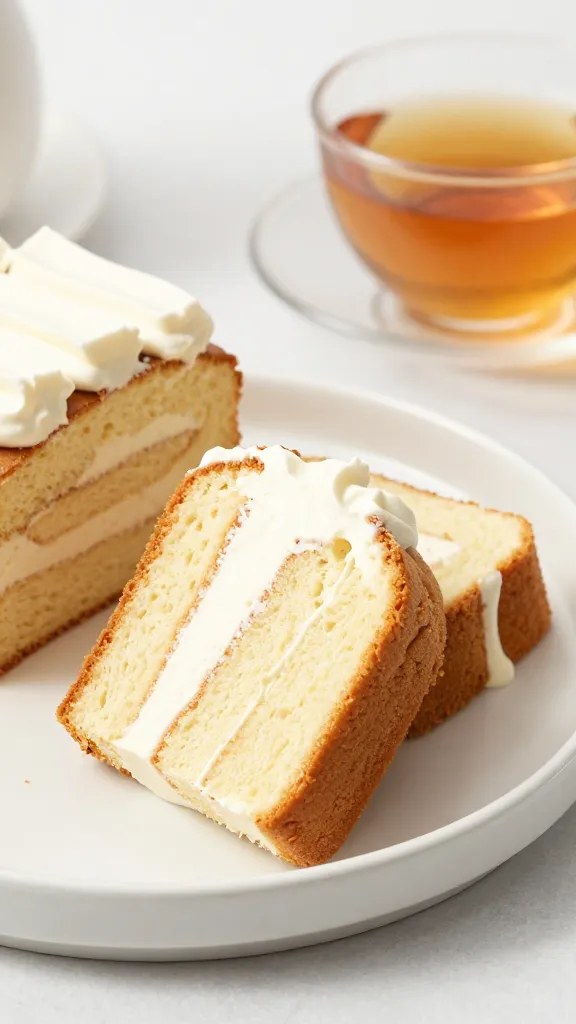
This section isn’t a science lecture; it’s a cozy blueprint. Use what you have, adjust as you go, and trust the aroma.
– Core ingredients: almond flour for depth, a gluten-free all-purpose blend for structure, a touch of cornstarch for softness, sugar for glow, eggs for lift, and a good oil or melted butter for moisture.
– Wet-to-dry ratio: aim for a batter that falls off a spoon slowly but doesn’t resemble paste.
– Flavor backbone: vanilla, lemon zest, or a whisper of cinnamon can transform the mood of the cake.
Tips for best results:
– Room-temperature ingredients blend more smoothly, especially eggs and dairy.
– Don’t overmix once you add flour—gluten-free batters hate aggressive whisking too much.
– Let the batter rest for 10 minutes before baking. It gives the starches a chance to hydrate.
Texture talk: what keeps this cake soft and sliceable
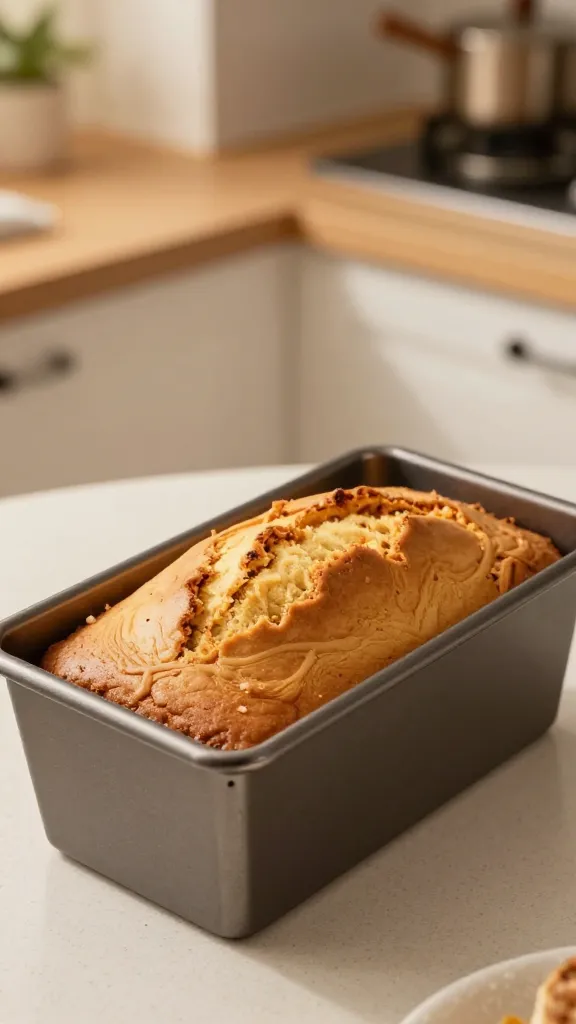
Texture is the diva of gluten-free baking. If you nail it, you’ll serve a cake that feels like a cloud with a sturdy backbone.
– Crumb goal: fine, even, and tender rather than crumbly.
– Moisture balance: a little extra fat helps, but not so much that it becomes greasy.
– Syrup or glaze option: a light lemon glaze or a drizzle of maple syrup can elevate the experience without sinking the cake.
Common pitfalls:
– Too-dense crumb smells like a science project gone wrong. Don’t overuse xanthan gum or other gums unless your recipe specifically calls for them.
– Underbaked is worse than burnt—golden edges with a soft center beat a pale, gummy interior.
Pro tip: check with a skewer. When it comes out with a few crumbs clinging, you’re good. Not a clean toothpick? Give it 3–5 more minutes.
Flavors that whisper, not shout
Gluten-free baking loves a gentle flavor profile that pairs with tea. You want something that tea would approve of, not something that competes with it.
– Classic pairings: vanilla bean, citrus zest (lemon or orange), almond, and a pinch of cardamom.
– Add-ins that work: chopped nuts, dried fruit, or chocolate chips. Keep portions modest so the cake stays cohesive.
– Tea-friendly twists: Earl Grey zest, chai-spiced notes, or a splash of orange blossom water if you’re feeling fancy.
Tips for best results:
– Fold in add-ins at the last minute to avoid dense pockets.
– If you’re going dairy-free, swap yogurt for dairy-free yogurt or applesauce for moisture, and you’ll still be golden.
Pro tips, common mistakes, and variations
Because we all want a cake that behaves in real life, not just in fantasy.
Pro tips
– Use almond flour for moisture and nutty flavor, but balance with a gluten-free blend to avoid grit.
– Preheat your oven fully and bake on the middle rack for even browning.
– Let the cake cool in the pan for 10–15 minutes, then transfer to a rack. Steaming warmth = softer crumb.
Common mistakes
– Overmixing the batter after adding dry ingredients leads to a tougher texture.
– Skipping the rest time for the batter can result in a dense slice.
– Using too much oil or butter can make the cake feel greasy.
Variations
– Citrus sunrise: swap lemon with orange zest and a splash of orange juice in the batter.
– Nutty afternoon: add 2–3 tablespoons chopped almonds or pistachios for crunch.
– Chocolate aftertaste: fold in a handful of dark chocolate chips or a swirl of cocoa powder in the batter.
– Dairy-free delight: use coconut yogurt or almond milk + a bit more oil to keep moisture.
Comparison blocks
– Classic gluten-filled vanilla cake vs. gluten-free version: the gluten-free cake tends to be more delicate; use the extra moisture and gentle flavors to compensate.
– Almond-flour-forward cake vs. blend-focused cake: almond flour gives moisture and depth; blends create steadier structure.
Serving ideas and how to enjoy the slow-afternoon ritual
This cake isn’t just dessert; it’s a mood. Plate it with a teapot that’s seen better days but still steam like a chimney.
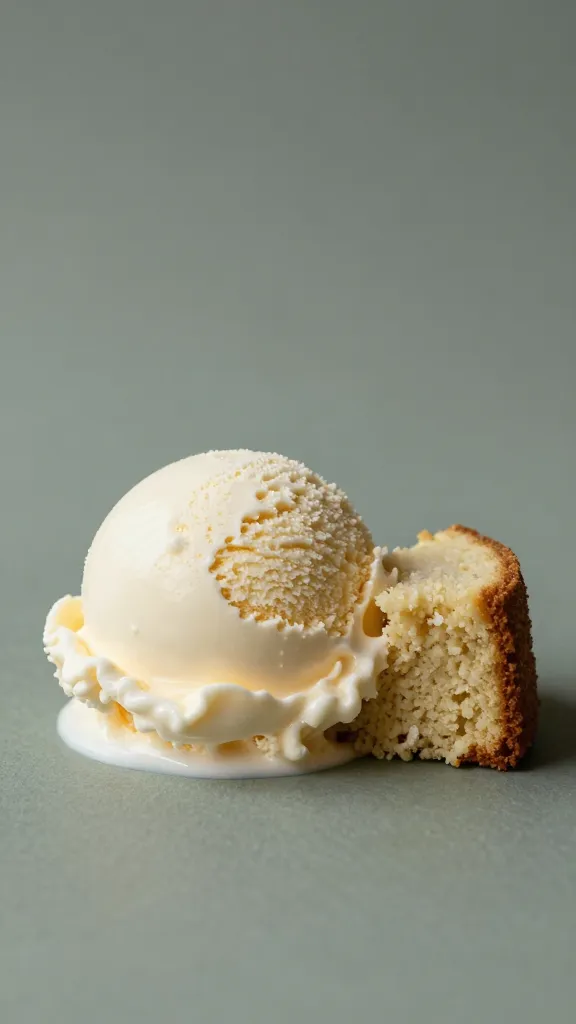
– Pairings: black tea with a splash of milk, or green tea for a lighter note. A dollop of whipped cream or a scoop of vanilla ice cream never hurts.
– Serving suggestions: dust with a tiny bit of powdered sugar, drizzle with lemon glaze, or serve warm with honey butter on the side.
– Chill benefit: a short chill in the fridge tightens the crumb a touch, making it excellent for slicing after a nap or a long chat.
Tips for best results:
– If you’re serving at room temperature, give it 15–20 minutes out of the fridge to soften.
– Reheat slices gently in the microwave or a low oven to refresh the aroma.
FAQ
- Is this cake truly gluten-free?
- Can I bake this ahead?
- What if I don’t have almond flour?
- How do I store leftovers?
Yes. The base uses gluten-free flours and starches, and you’ll want to use certified gluten-free ingredients to avoid cross-contamination.
Absolutely. Bake a day ahead and store in an airtight container. It often tastes even better the next day as flavors meld.
You can substitute more gluten-free all-purpose flour and a bit of extra fat or yogurt to keep the moisture. It won’t be exactly the same, but it’ll still be delicious.
Keep in an airtight container at room temperature for 2–3 days, or refrigerate up to a week. Reheat gently to revive the aroma.
Conclusion
This Tea-Time Gluten Free Cake is the friend who shows up with coffee and a joke. It’s flexible, forgiving, and perfect for slow afternoons that deserve a little celebration. FYI, you don’t need to be an expert to pull this off—just curious, a little culinary courage, and a kettle that’s ready to sing. So bake it, slice it, and savor the quiet moments in between.
If you try a version you love, drop a note and tell me what tweak made it shine. IMO, the best ideas usually come from a small adjustment that feels like a hug in a bite.