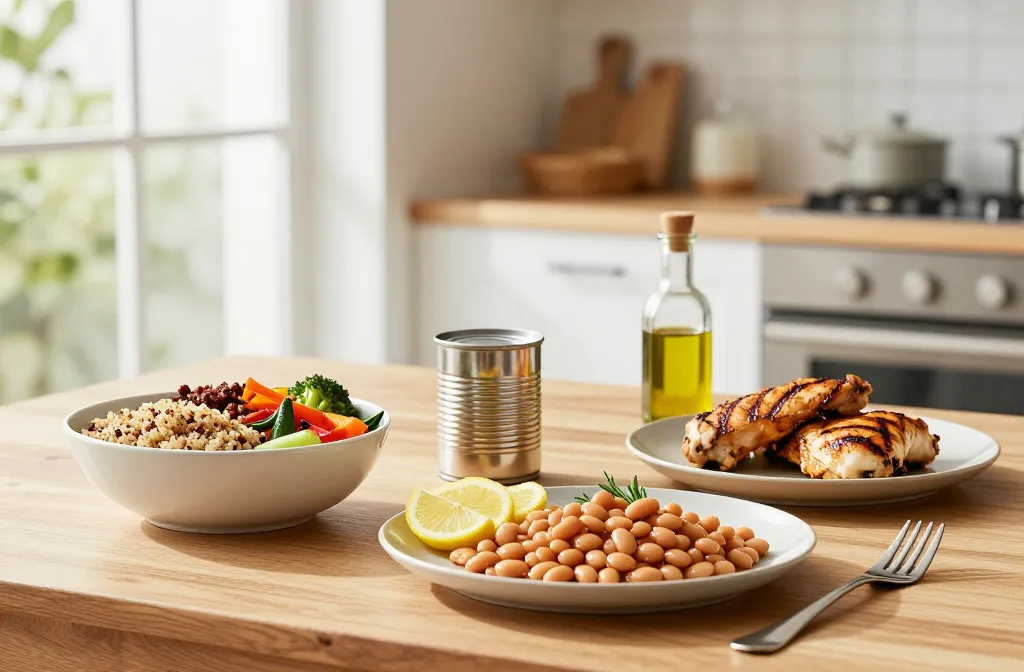
From scratch, gluten-free and low-sodium meals can actually taste like real food. No bland vibes here—just flavorful plates that respect your gut and your blood pressure. If you’ve ever felt stuck between “gluten-free” and “low-sodium,” you’re in the right kitchen. Let’s make meals that love you back.
Crunching the Basics: Why Gluten Free and Low Sodium?
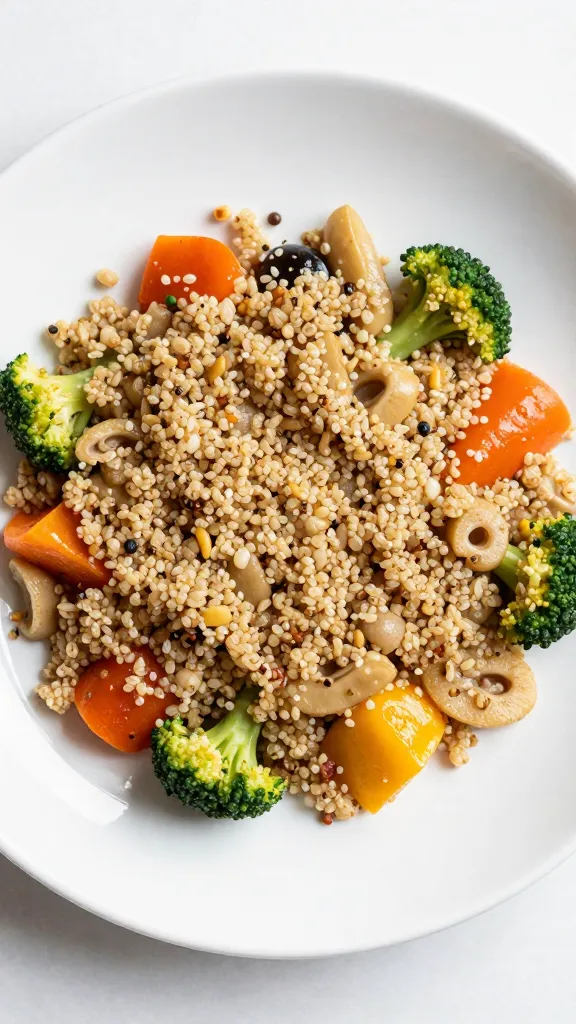
Gluten-free doesn’t mean flavor-free, and low sodium doesn’t mean boring. When you combine the two, you’re hiding in what I call the tasty zone: meals that honor digestion, reduce bloating, and still hit you with big, punchy flavors. So, what’s the deal, exactly?
– Gluten-free means avoiding wheat, barley, and rye. Not a big deal once you know where to look.
– Low sodium usually means aiming for about 1,500 to 2,300 milligrams per day, depending on your health goals. The trick is to lean on herbs, citrus, and aromatics to create wow without salt bombs.
FYI: you don’t have to sacrifice convenience. There are plenty of gluten-free, low-sodium shortcuts that taste legit.
Smart Staples: What to Stock for Easy Gluten Free, Low Sodium Meals
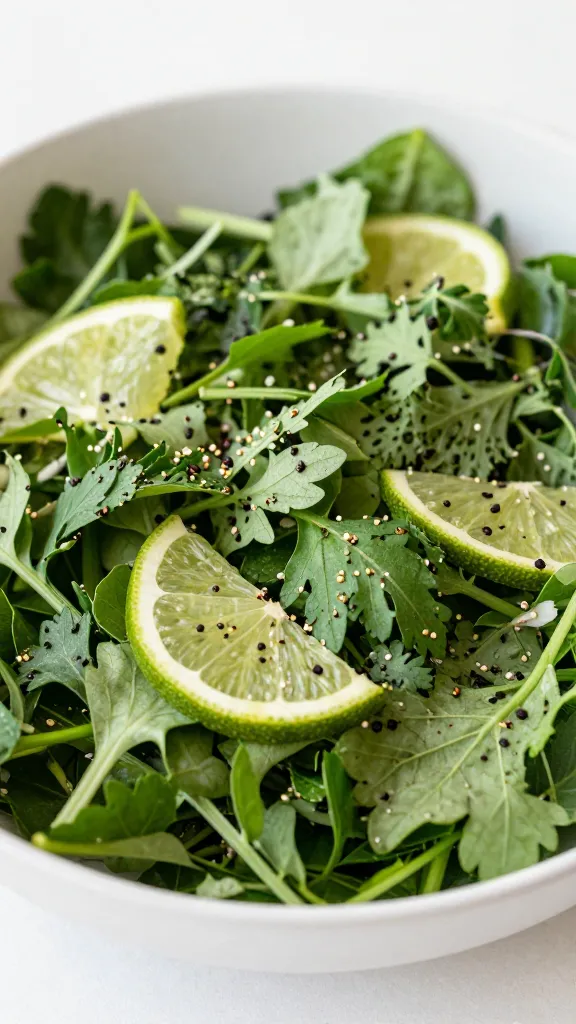
Build your pantry like a flavor fortress. Here are the non-negotiables and a few sneaky stars.
- Gluten-free grains: rice, quinoa, millet, buckwheat, polenta, and amaranth.
- Protein that travels well: canned beans (rinsed), lentils, chicken thighs, tofu, eggs, fish.
- Low-sodium flavor boosters: garlic, onions, chilies, fresh herbs, lemon zest, nutritional yeast, tamari (gluten-free), apple cider vinegar.
- Healthy fats: olive oil, avocado, nuts, seeds.
- Hidden salt detectives: opt for no-salt-added versions, and read labels like a detective with a magnifying glass.
- Keep a rotating spice rack: cumin, paprika, garlic powder, oregano, thyme, curry powder. No need to salt to get flavor.
- Stock a couple of gluten-free sauces that aren’t sodium bombs—like homemade tomato sauce or a lemon-herb vinaigrette.
Flavor Without Salt: Sauces, Marinades, and Dressings
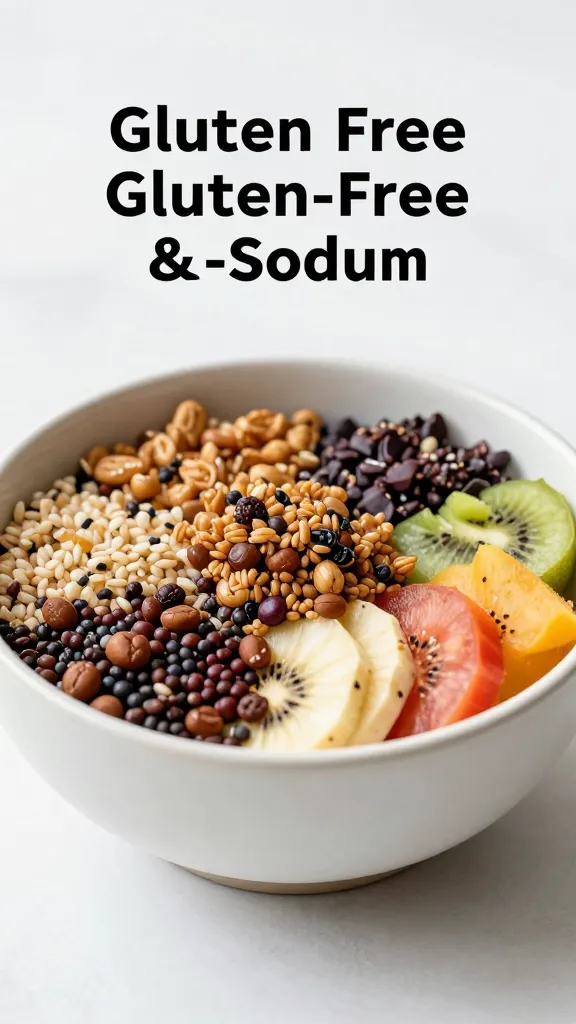
This is where the magic happens. You want punchy without the sodium clobbering you. Try these moves:
- Acids are your friend: lemon juice, lime juice, vinegar, and tamarind brighten dishes instantly.
- Umami boosters: mushrooms, tomato paste, miso (gluten-free version), nutritional yeast, nutritional yeast is a legit flavor genie.
- Herbs that pop: basil, cilantro, dill, parsley, mint—fresh herbs compensate for salt like a champ.
- Textural contrast: add crunchy veggies or toasted seeds to keep meals exciting.
Tips for best results
-
<li Marinade proteins in citrus and garlic for depth without salt.
<li Use low-sodium broth or make a quick homemade version to control every drop of sodium.
<li Taste as you go and keep a salt-free or low-sodium seasoning blend handy.
One-Pan Wonders: Gluten Free, Low Sodium Dinners
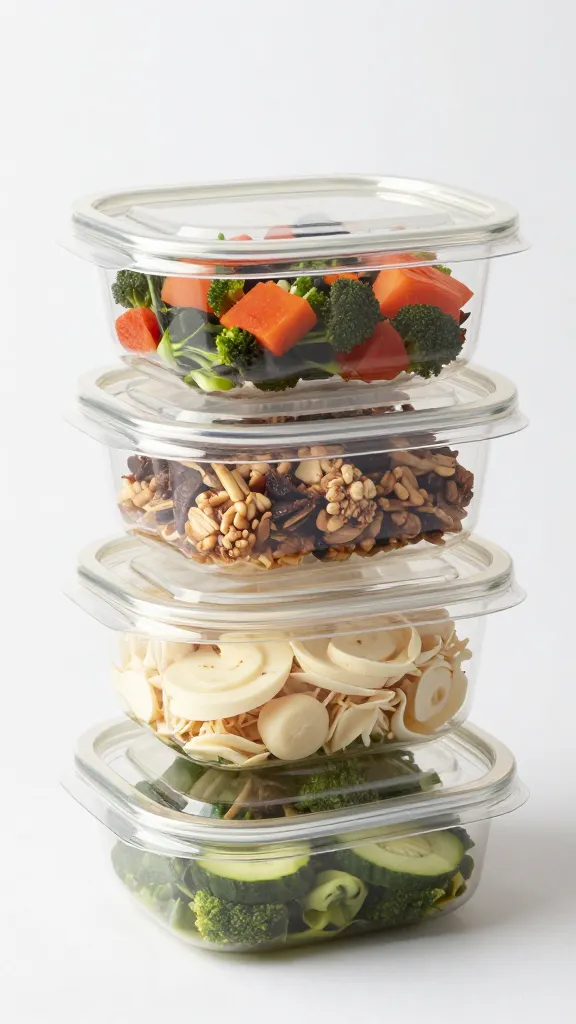
Convenience doesn’t have to mean flavor sacrifice. Try these easy setups that come together in one pan or sheet.
- <strongSheet pan chicken and veggies: chicken thighs, potatoes, carrots, olive oil, garlic, lemon zest, thyme. Bake until caramelized and crispy.
- <strongGarlic-tomato cod with quinoa: cod fillets baked in tomato-garlic sauce, served over fluffy quinoa.
- <strongTofu and veggie stir-fry: tamari (gluten-free), ginger, garlic, sesame oil, mixed veggies over brown rice.
Ingredient swaps
- Replace soy sauce with tamari or coconut aminos for a gluten-free punch with less sodium per serving.
- Swap white rice for quinoa or millet to boost protein and fiber.
- Swap dairy-based sauces for olive-oil/veggie-based dressings to keep sodium in check.
Pro Tips, Common Mistakes, and Variations
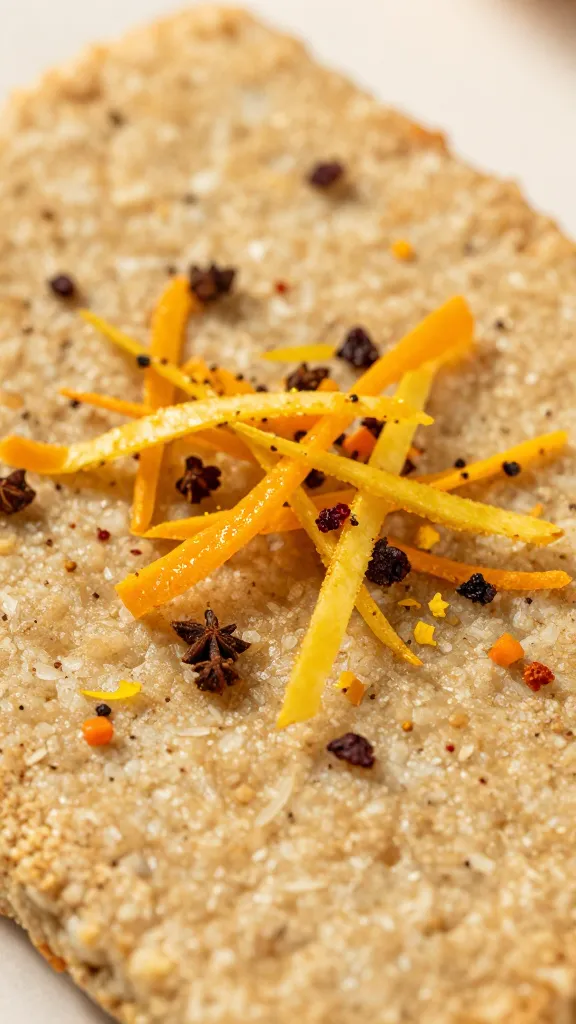
Here’s where the nerdy kitchen stuff meets reality. Grab your apron and let’s optimize.
Pro tips
-
<li Always rinse canned beans to shave off extra sodium—your arteries will thank you.
<li Roast vegetables to bring out sweetness—salt-smarter, not saltier.
<li Freeze pre-portioned, gluten-free, low-sodium meals for busy weekdays. FYI, planning saves brain calories and blood pressure.
Common mistakes
-
<li Over-salting while tasting early—the salt will accumulate as flavors reduce. Taste later, adjust once you’ve cooked down.
<li Using high-sodium sauces as crutches—switch to fresh herbs and citrus to brighten dishes.
<li Assuming gluten-free equals “healthier”—there are gluten-free items high in sugar or saturated fats; read labels, friend.
Variations
- Mexican-inspired bowls: grilled chicken, black beans, cilantro-lime rice, pico de gallo, avocado. Skip the salted toppings and you’ll still shine.
- Mediterranean bowls: quinoa, cucumber-tomato salad, olives, feta, lemon-oregano chicken. Use no-salt-added feta if you’re watching sodium.
- Comfort foods reimagined: gluten-free pasta with olive oil, garlic, cherry tomatoes, spinach, and a squeeze of lemon.
FAQ
Q: Can I really eat gluten-free and low sodium without sacrificing flavor?
A: Absolutely. Start with bright acids, umami boosters, and fresh herbs. Build flavor in layers so you don’t need to salt early or aggressively.
Q: How can I manage sodium without dulling taste?
A: Use herbs, citrus, pepper, smoked paprika, chili flakes, and miso or tamari in measured amounts. Taste as you cook and rely on balancing flavors, not just salt.
Q: Is gluten-free always low-sodium?
A: No. Some gluten-free products hide high sodium or sugar. Read labels. Go for whole ingredients first, then add flavor in healthier ways.
Texture and Technique: Cooking Methods That Elevate Flavor
Your technique can be your secret weapon. Let’s level up without adding extra sodium.
- Roasting vegetables concentrates natural sweetness, reducing the need for salt.
- Sautéing with garlic and onions builds a flavor base that doesn’t rely on salt.
- Steaming fish and greens preserves delicate flavors while keeping meals light.
Flavor Profiles to Try This Week
Ready to experiment? Pick one profile per day and roll with it.
- Bright and herby: lemon, parsley, dill, olive oil drizzle
- Umami-packed: mushrooms, miso, nutrition yeast, tomato paste
- Smoky and bold: smoked paprika, cumin, chili flakes, lime
- Herb-forward: oregano, thyme, basil, garlic
Meal Planning and Quick-Meal Hacks
Prepping smart saves you from grabbing the sodium-laden stuff in a pinch.
- Cook in batches: grains, beans, and proteins store well in the fridge for 4–6 days.
- Keep a “salt-free flavor toolkit” on hand: lemon juice, olive oil, a few spices, and chopped herbs.
- Freeze portions in meal-sized containers so you’re never tempted by takeout.
Conclusion
Gluten-free and low-sodium cooking isn’t a punishment; it’s a culinary challenge you can crush with the right vibes. Build your pantry, lean on bright acids and umami, and let herbs do the talking. You’ll end up with meals that satisfy, energize, and keep your blood pressure happy—without sacrificing soul or flavor. IMO, you might even forget you were ever worried about eating gluten-free and low-sodium in the same bite. Give it a go and report back with your favorite combos!